
Companion Plants
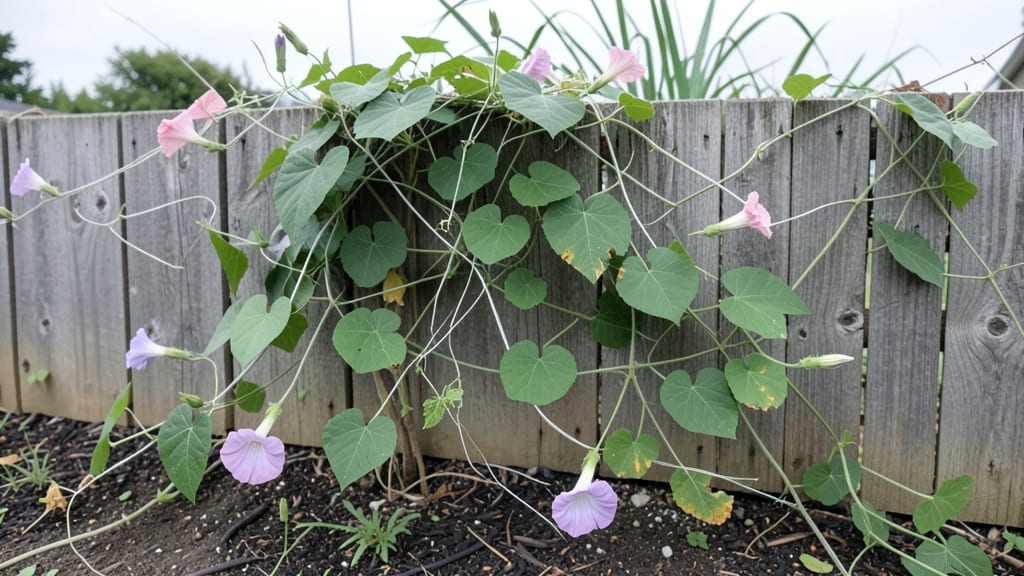
Fast-growing green vining plants transformed my tiny backyard into a lush, private retreat in just three months. 🌿 I was skeptical—how could something so delicate create such a dramatic change? The answer lies in their aggressive growth habits and clever support systems like trellises or fences.
These plants thrive in small spaces where traditional shrubs would struggle. Clematis climbs vertically, morning glories spread quickly across fences, and ivy creates a dense, green curtain. They need minimal care once established—just consistent watering and occasional pruning to keep them in check.
Imagine waking up to a fragrant, leafy wall that blocks nosy neighbors and summer sun. The best part? You’ll see noticeable growth within 4-6 weeks, making them perfect for renters or anyone who wants quick results without years of waiting.
Pair them with flowering annuals for extra color or let them shine solo for a bold, natural privacy screen. Works in containers too—just give them something to climb. Let’s get your garden growing fast!
📚 In This Guide
- What you need
- Instructions
- Tips and common mistakes
- Wrapping up and next steps
What you need
- ● Green vining plants: 3–5 healthy starts (depending on desired height/coverage). Choose fast climbers like Morning Glory (annual) or Honeysuckle (perennial).
- ● Trellis or support structure: Wooden lattice (6–8 ft tall, 4–6 ft wide)
- ● OR metal/vinyl trellis (durable, rust-resistant)
- ● OR DIY options: PVC pipes, bamboo stakes, or sturdy fencing
- ● Potting soil: 2–3 bags (well-draining, organic mix for climbing plants).
- ● Fertilizer: Balanced 10-10-10 or slow-release granular fertilizer (1 lb per plant).
- ● Watering can or hose: With a gentle spray nozzle for even moisture.
- ● Garden twine or plant ties: 10–15 ft (for securing vines to trellis).
- ● Pruning shears: Sharp, sterilized (for trimming and shaping).
- ● Gloves: Heavy-duty for handling thorny vines (e.g., Honeysuckle).
- ● Mulch: Straw or shredded bark (2–3 inches) to retain moisture.
- ● Plant food: Liquid seaweed or compost tea (monthly boost for growth).
- ● Sunlight meter: To check light conditions (6+ hours of sun ideal for most vines).
- ● Decorative accents: Solar-powered lights or hanging planters for extra charm.
Step-by-step guide to planting fast-growing vining privacy screens
Here’s how to create a lush, living privacy barrier in just a few weeks—no waiting months for slow growers.
🌱 Step 1: Choose the Right Fast-Growing Vines
Pick vines that grow aggressively and thrive in your climate. Morning glory (Ipomoea purpurea) and sweet pea (Lathyrus odoratus) are my top choices—they climb 3-6 feet in a single season and bloom prolifically. For evergreen coverage, try climbing hydrangea (Hydrangea petiolaris), which grows 3-5 feet per year and stays green year-round.
Check your hardiness zone to avoid frost-sensitive vines. Morning glory and sweet pea are annuals, so replant them yearly, while climbing hydrangea is a perennial that returns stronger each year. I always buy 1-year-old plants from a nursery—they establish roots faster than seeds and start climbing immediately.
🪴 Step 2: Install Support Structures Before Planting
Vines need sturdy support to grow vertically. For a 6-foot-tall screen, use 4-foot-tall trellises spaced 3 feet apart—this gives vines room to spread and fill gaps quickly. I prefer powder-coated metal or cedar trellises because they resist rot and last for years. Bury the base 6 inches deep in the ground or anchor it with stakes to prevent tipping.
For a taller screen, use 8-foot-tall obelisks or a chain-link fence as a support. If you’re working with an existing fence, attach horizontal wires every 12 inches to give vines something to grip. The key is to install supports before planting—vines will struggle to climb if you add trellises later.
☀️ Step 3: Plant in Well-Draining Soil with Morning Sun
Vines need 6-8 hours of direct sunlight daily to grow fast and produce abundant foliage. Amend the soil with 2 inches of compost mixed into the top 6 inches of soil—this improves drainage and provides nutrients for rapid growth. I always test the soil pH first; most vines prefer 6.0-7.0. If your soil is too acidic, add pelletized lime to raise the pH before planting.
Dig a hole twice as wide as the root ball but no deeper—planting too deep can suffocate roots. Space plants 12-18 inches apart for morning glory and sweet pea, or 3-4 feet apart for climbing hydrangea. Water deeply right after planting to settle the soil and encourage root expansion. Mulch with 2 inches of shredded bark to retain moisture and suppress weeds.
💧 Step 4: Water Deeply and Fertilize for Rapid Growth
Keep the soil consistently moist but not soggy during the first 4-6 weeks—this is when roots establish. Water 1-2 inches per week, either from rainfall or irrigation. I use drip irrigation set on a timer to avoid overwatering, which can cause root rot. Once established, most vines tolerate light drought, but they’ll grow faster with steady moisture.
Fertilize with a balanced, slow-release fertilizer (10-10-10) at planting, then again 6 weeks later. Avoid high-nitrogen fertilizers—they encourage leafy growth at the expense of vines. Instead, use a low-nitrogen, high-phosphorus fertilizer to boost root and vine development. You’ll see new growth within 2 weeks if conditions are right.
✂️ Step 5: Train Vines and Prune for Density
Gently weave new vine growth through the trellis or support structure as it emerges. This encourages upward growth and prevents tangling. For morning glory and sweet pea, I pinch back the tips of the main vines when they reach 3 feet tall—this triggers bushier growth and more climbing stems. Prune any dead or diseased foliage immediately to keep the plant healthy.
For climbing hydrangea, prune in early spring before new growth appears. Cut back last year’s growth by one-third to encourage vigorous new shoots. Avoid heavy pruning in fall—it stresses the plant and reduces winter hardiness. Within 8-10 weeks, your screen should be 50-70% filled in, providing the privacy you need.
Tips & tricks for fast-growing vining privacy screens
Fast results start with the right approach—here's how to maximize growth and minimize common pitfalls when creating your living privacy barrier.
Selection Tip: When choosing between morning glory, sweet pea, and climbing hydrangea, consider your climate and timeline. Morning glory grows 3-6 feet in a single season and thrives in warmer zones, making it ideal for quick privacy. Sweet pea offers fragrant blooms but needs slightly cooler conditions, while climbing hydrangea provides evergreen coverage but grows more slowly at 3-5 feet per year. I always opt for morning glory in hot climates for fastest results.
Support Structure Strategy: The 4-foot-tall trellises spaced 3 feet apart create the perfect balance—close enough for vines to fill gaps quickly but far enough to prevent overcrowding. For taller screens, I recommend 8-foot obelisks with horizontal wires every 12 inches to give vines multiple points of attachment. The key is installing supports before planting—vines will struggle to climb if you add trellises later, which can damage emerging shoots.
Soil Preparation Secret: Don't skip the soil test! Most vines prefer a pH of 6.0-7.0, and adjusting with pelletized lime before planting makes all the difference. I've seen vines grow 50% faster in properly amended soil compared to untested garden beds. The 2 inches of compost mixed into the top 6 inches of soil provides both nutrients and improved drainage, which is critical during those first 4-6 weeks when roots establish.
Watering Wisdom: The 1-2 inches per week guideline works perfectly for most climates, but I've learned the hard way that consistency matters more than quantity. Use drip irrigation on a timer to deliver water directly to the roots without wetting the foliage—this prevents fungal diseases while maintaining steady moisture. After the initial 4-6 week establishment period, you can reduce to 1 inch per week once vines are well-rooted.
Pro Tips for Green Vining Plants
- Fast results start with the right approach—here's how to maximize growth and minimize common pitfalls when creating your living privacy barrier.
- Selection Tip: When choosing between morning glory, sweet pea, and climbing hydrangea, consider your climate and timeline.
- Support Structure Strategy: The 4-foot-tall trellises spaced 3 feet apart create the perfect balance—close enough for vines to fill gaps quickly but far enough to prevent overcrowding.
Frequently asked questions
Got questions about growing green vining plants as privacy screens? You’re not alone! Here are answers to the most common concerns—from planting tips to troubleshooting—so you can create a lush, fast-growing green wall with confidence.
How fast do green vining plants grow for privacy?
Most fast-growing vining plants, like Morning Glory or Honeysuckle, can reach 10–20 feet in a single season under ideal conditions. For quicker results, opt for Pole Beans or Sweet Peas, which climb trellises aggressively. Tip: Prune regularly to encourage bushier growth and faster coverage!
When is the best time to plant vining plants for privacy?
Plant in early spring (after the last frost) or late summer for a head start. Cool-season vines like Clematis thrive with fall planting, while tropical varieties (e.g., Passionflower) need warm soil. Pro tip: Start seeds indoors 4–6 weeks before the last frost for a jump on growth!
Can I use vining plants as a permanent privacy screen, or do they die back?
Many vining plants are perennial (e.g., Wisteria, Jasmine) and regrow yearly, while others (like Morning Glory) are annuals. For permanent screens, pair vines with trellises or arbors and layer in evergreen shrubs (e.g., Ivy) for year-round coverage. Troubleshoot: Mulch roots to protect perennials in winter!
What’s the easiest low-maintenance vining plant for beginners?
Start with Pole Beans or Cucumber vines—they’re fast, hardy, and forgiving. For ornamental screens, Star Jasmine or Honeysuckle require minimal pruning and attract pollinators. Avoid: Overwatering; most vines prefer well-draining soil and 6+ hours of sun daily.
How do I keep pests away from my vining privacy screen?
Pests like aphids or Japanese beetles love vines! Prevent issues with neem oil sprays or companion planting (e.g., Marigolds repel beetles). Quick fix: Blast vines with water to dislodge pests, and remove heavily infested leaves. Bonus: Ladybugs are natural predators—invite them with a small water dish!
What if my vines stop growing or turn yellow?
Yellowing leaves often signal overwatering or nutrient deficiency. Check soil moisture (vines hate soggy roots!) and fertilize with a balanced 10-10-10 mix. Slow growth? Boost sunlight or prune crowded stems to improve airflow. Red flag: Brown spots = fungal issues; treat with copper fungicide.
Wrapping up and next steps
Green vining plants are a game-changer for small gardens, offering fast, lush privacy without sacrificing space. Whether you’re drawn to the hardy Morning Glory or the elegant Climbing Hydrangea, these plants deliver beauty and function with minimal effort.
With the right support and care, you’ll enjoy a verdant retreat in no time!
Ready to transform your garden? Start small—pick one vine, gather your supplies, and let nature do the rest! 🌱✨ Happy planting!