Size
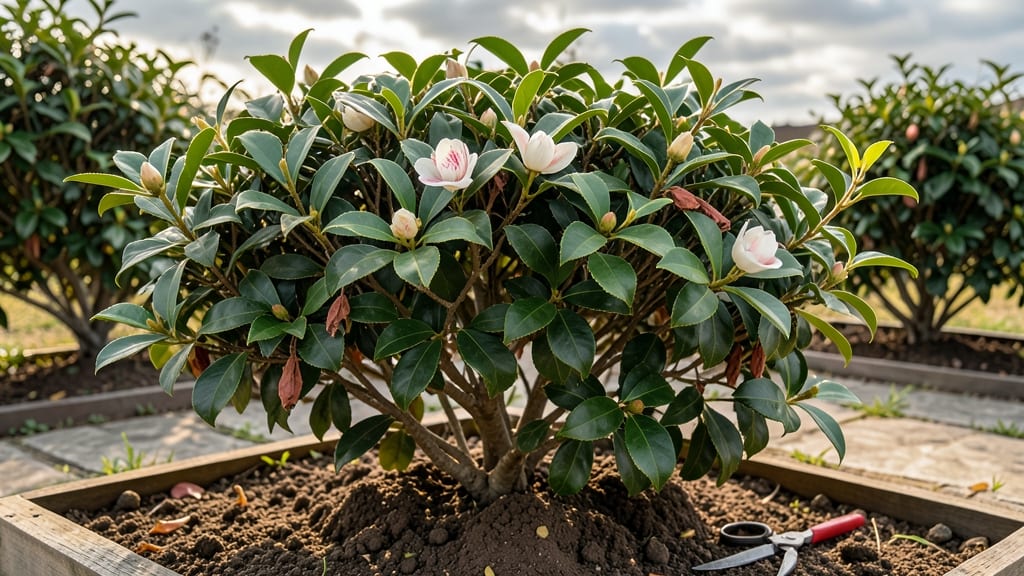
To grow tea plants successfully, you'll need partial shade, well-draining acidic soil (pH 4.5-5.5), and consistent moisture while keeping them in USDA zones 7-10. These conditions mimic their subtropical origins, where temperatures stay between 60-80°F. Starting with young plants instead of seeds gives you a head start, and regular pruning keeps them bushy while ensuring the best flavor when harvesting young leaves.
Tea plants, or Camellia sinensis, are finicky about their environment because they evolved in humid, shaded forests where the soil stays moist but never waterlogged. 🌿 The acidic soil requirement isn't just a quirk—it prevents nutrient deficiencies that stunt growth, while partial shade protects tender leaves from scorching.
I've found that even a small greenhouse or shaded patio can work wonders for gardeners in cooler zones, as long as you maintain that 60-80°F range year-round. The key is patience: these plants take 3-5 years to mature, but the reward is homegrown leaves packed with complex flavors.
💡 In This Article
- Optimal Tea Plant Growing Conditions and Climate Needs
- Step-by-Step Guide to Planting and Caring for Tea Plants
Optimal tea plant growing conditions and climate needs
Tea plants, or Camellia sinensis, evolved in the misty, shaded forests of subtropical Asia where they developed specific needs that mimic their natural habitat. The acidic soil (pH 4.5-5.5) requirement isn't arbitrary—it prevents iron, manganese, and phosphorus deficiencies that stunt growth.
In alkaline soils, these nutrients become locked away, causing yellowing leaves and weak stems. The plant's roots also struggle to absorb moisture efficiently above pH 6.0, leading to drought stress even when water is present.
Partial shade protection is equally critical because tea leaves contain high levels of chlorophyll and caffeine, which make them particularly sensitive to UV damage. Direct sunlight can cause sunburn on leaves, creating white or brown patches that ruin flavor quality.
In their native environment, tea plants receive 30-50% sunlight through forest canopies, which is why gardeners should use 50% shade cloth or position plants near taller trees. The ideal temperature range of 60-80°F aligns with their subtropical origins—below 50°F, growth slows dramatically, while above 90°F, leaves can scorch.
Consistent moisture is another non-negotiable factor because tea plants have shallow root systems that dry out quickly. The soil should remain evenly damp (not soggy) to prevent root rot while maintaining humidity levels above 60%.
In USDA zones 7-10, this means regular watering (every 2-3 days in summer) and mulching with pine needles or oak leaves to retain acidity.
Gardeners in cooler zones (6 or below) must use containers that can be moved indoors during winter, as temperatures below 40°F trigger dormancy and leaf drop.
Here's what happens when conditions go wrong: Too much sun causes oxidative stress in leaves, reducing their L-theanine content (the amino acid responsible for tea's umami flavor). Overly alkaline soil (pH >6.5) leads to chlorosis (yellowing between veins), while drought stress triggers abscission (premature leaf drop).
The good news? These issues are reversible with proper adjustments—amending soil with sulfur or peat moss for acidity, and providing afternoon shade can restore plant health within 4-6 weeks.
For home gardeners, replicating these conditions often means creating a microclimate. A greenhouse with shade netting works well in zones 5-6, while containers on patios can extend growing seasons in 7-10. The key is monitoring: Use a soil pH meter monthly and a hygrometer to track humidity.
Tea plants reward this attention with aromatic, tender leaves—the same ones used in high-quality loose-leaf teas—harvested just before they fully unfurl for maximum flavor intensity.