
Plants
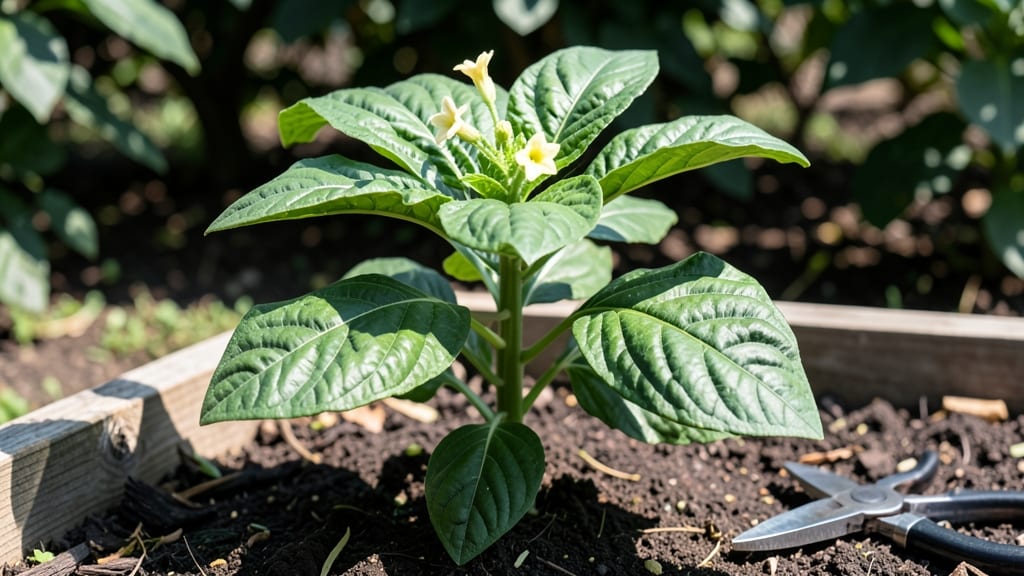
The Havana tobacco plant thrives when you prune it like a pro—dense foliage and that signature fragrant aroma start with the right cuts. I’ve grown these plants for years, and the difference between a scraggly specimen and a lush, productive bush comes down to timing and technique.
Most beginners over-prune or wait too long, but the secret is in the early, strategic trims that encourage branching. The first harvest of broad, velvety leaves is worth the patience, especially if you’re growing for flavor or ornamental value.
You’ll need sharp pruning shears, a well-draining potting mix, and a sunny spot with at least 6 hours of direct light daily. Havana tobacco prefers warmth—70-80°F is ideal—and hates soggy roots, so containers with drainage holes work best.
Start with seeds indoors 8-10 weeks before your last frost, then transplant seedlings when they’ve developed 4-6 true leaves. The pruning begins once the plant hits 12-18 inches tall, where you’ll pinch back the top growth to encourage bushier side shoots.
By mid-season, your plant will reward you with thick, fragrant foliage that’s perfect for smoking, crafts, or even culinary uses (where legal). The key is consistent pruning every 4-6 weeks to maintain shape and stimulate new growth.
Just remember: tobacco plants are bioaccumulator—they absorb everything from soil and air, so keep your growing area clean and use organic fertilizers to avoid contamination.
Legal note: Check local regulations before planting—some states restrict tobacco cultivation. If you’re growing for personal use, focus on varieties like Havana for their mild, aromatic qualities.
With the right care, you’ll harvest pounds of leaves per plant, and the process becomes almost meditative once you master the rhythm of pruning and growth.
📚 In This Guide
- What you need
- Instructions
- Tips and common mistakes
- Wrapping up and next steps
What you need
- ● Havana tobacco seeds or seedlings: 3–5 seeds (or 1–2 young plants) for optimal growth. Choose Nicotiana tabacum varieties like "Havana Seed" or "Cuban Seed.
- ● Well-draining potting mix: 5–10 gallons of a blend of 60% peat moss or coco coir, 30% perlite, and 10% vermiculite (or a pre-mixed seed-starting mix).
- ● Containers: 1–2 5-gallon pots (with drainage holes) or a raised bed (minimum 12" deep for mature plants).
- ● Slow-release fertilizer: 1 cup of 10-10-10 or 5-5-5 organic fertilizer (mixed into the soil at planting).
- ● Watering can or hose with a gentle spray nozzle: For consistent moisture without over-saturating.
- ● Pruning shears: Sharp, bypass-style shears (sterilized with rubbing alcohol).
- ● Gloves: Heavy-duty gardening gloves (toxic sap can irritate skin!).
- ○ Humidity dome or plastic wrap: To retain moisture during germination (optional but helpful in dry climates).
- ● Grow lights: Full-spectrum LED lights (12–16 hours/day) if growing indoors or in low-light conditions.
- ● pH test kit: To monitor soil pH (ideal range: 6.0–7.0).
- ● Compost or worm castings: 1–2 cups per plant (for nutrient-rich soil).
- ● Mulch (straw or wood chips): To retain soil moisture and suppress weeds.
- ● Label markers: To track planting dates and varieties.
Step-by-Step pruning guide for a bushy, fragrant Havana tobacco plant
Transform a leggy tobacco plant into a lush, aromatic bush with these precision pruning techniques.
Identify and Remove Weak Growth Early
Start by examining your Havana tobacco plant for thin, pale stems that stretch toward the light—these are called "whips" and compete with stronger growth. Use sharp, clean pruning shears to snip them just above a leaf node where two leaves meet. This encourages branching from the main stem. I always make my first cuts when the plant reaches 12 inches tall, before energy gets wasted on vertical growth.
Never remove more than one-third of the plant's foliage at once, or you'll shock it. Watch for new side shoots emerging within 5-7 days—this is your signal the plant is responding well. If you see yellowing leaves after pruning, it’s a sign you’ve over-pruned; simply reduce watering slightly until new growth appears.
Pinch Back for Compact, Bushy Structure
When your tobacco plant hits 18-24 inches tall, pinch off the top 2-3 inches of the main stem with your fingers or shears. This forces the plant to redirect energy into lateral buds, creating a fuller shape. Focus on the topmost set of leaves—cutting above them ensures new growth emerges from strong, established nodes rather than weak ones.
Here’s the thing—Havana tobacco responds best to gradual pruning. Space your pinches 2-3 weeks apart to avoid overwhelming the plant. After each pinch, rotate the pot a quarter turn daily for the first week to prevent leaning. You’ll notice thicker stems and more uniform leaf distribution within 3-4 weeks of consistent pinching.
Shape the Canopy for Maximum Fragrance
Once your plant develops a dense canopy, prioritize air circulation by thinning crowded areas. Remove the innermost leaves that block light from reaching the center—these are often the first to develop fungal issues. Use your shears to make clean cuts at a 45-degree angle, just above a healthy leaf node. This prevents water from pooling on the stem and reduces disease risk.
For a fragrant Havana tobacco plant, focus on preserving the lower leaves, which contain the highest concentration of aromatic oils. If you see leggy growth between branches, trim back to the nearest strong lateral shoot—this redirects energy to where you want it. After shaping, give the plant a light watering to help it recover without stressing the roots.
Maintain Through the Growing Season
Throughout the growing season, monitor for overly long stems or uneven growth. Prune these back by one-third to encourage bushiness. I like to do a light maintenance trim every 4-6 weeks, removing only the most problematic growth. Avoid heavy pruning after mid-summer, as the plant needs time to recover before cooler temperatures arrive.
Fertilize lightly with a balanced, water-soluble fertilizer after each major pruning to support new growth. Havana tobacco thrives in well-draining soil—if you notice roots circling the pot or leaves yellowing between veins, it’s time to repot into a larger container. Keep the plant in bright, indirect light (avoid harsh afternoon sun, which can scorch leaves after pruning).
Prepare for Harvest and Overwintering
When your Havana tobacco plant reaches 3-4 feet tall and the leaves are fully fragrant, it’s ready for harvest. Trim the outermost leaves first, leaving the center intact to keep producing. Store harvested leaves in a cool, dark place for up to 2 weeks to develop full flavor. If you’re growing outdoors in a warm climate, prune back by half in early fall to encourage a second flush of growth before winter.
For indoor plants, reduce watering gradually as temperatures drop below 60°F and move to a sunnier window to extend the growing season. If you notice buds forming in late fall, pinch them off to redirect energy into root development. With proper pruning, your Havana tobacco plant will reward you with years of lush, fragrant growth—far beyond what you’d get from neglecting it.
Tips & tricks for perfect Havana tobacco plant pruning
These precision techniques will transform your leggy tobacco plant into a fragrant, bushy masterpiece—without the guesswork.
Timing is Everything: In Step 1, when your plant reaches exactly 12 inches tall, that's the perfect moment to make your first cuts. Waiting longer risks energy being wasted on vertical growth rather than branching. I've found that plants pruned at this height develop stronger lateral shoots within 5-7 days, creating that dense, aromatic structure we're after. The key is patience—don't rush this initial pruning, as it sets the foundation for everything that follows.
Gradual Pruning Strategy: The 2-3 week spacing between pinches in Step 2 is non-negotiable for Havana tobacco. I learned this the hard way after over-pruning and watching my plant struggle to recover. Each pinch should target the topmost set of leaves—this ensures new growth emerges from established nodes rather than weak, new ones. After each pinch, that daily quarter-turn rotation prevents leaning, and within 3-4 weeks, you'll see dramatically thicker stems and more uniform leaf distribution.
Canopy Shaping Secrets: When shaping your canopy in Step 3, focus on those 45-degree angle cuts above healthy leaf nodes. This technique prevents water pooling that leads to fungal issues, which is especially critical for Havana tobacco's delicate leaves. Preserve the lower leaves—they contain the highest concentration of aromatic oils that give this variety its signature fragrance. After shaping, that light watering helps the plant recover without overwhelming its roots, maintaining the momentum you've created.
Seasonal Adjustments: The mid-summer cutoff for heavy pruning in Step 4 is crucial—your plant needs time to recover before cooler temperatures arrive. I've seen plants that were heavily pruned in late summer struggle through winter, while those given a break thrived. For indoor plants, that 60°F threshold is your guide—reduce watering gradually and move to a sunnier window to extend the growing season naturally.
Pro Tips for Havana Tobacco Plant
- These precision techniques will transform your leggy tobacco plant into a fragrant, bushy masterpiece—without the guesswork.
- Timing is Everything: In Step 1, when your plant reaches exactly 12 inches tall, that's the perfect moment to make your first cuts.
- Gradual Pruning Strategy: The 2-3 week spacing between pinches in Step 2 is non-negotiable for Havana tobacco.
Frequently asked questions
How often should I prune my Havana tobacco plant for optimal growth?
Prune your Havana tobacco plant every 4–6 weeks during its active growing season (spring to early fall). Focus on removing overcrowded leaves and yellowing stems to encourage bushier, fragrant foliage. Avoid heavy pruning in winter—let it rest! For best results, trim in the morning when the plant is hydrated.
How long does it take for a Havana tobacco plant to recover after pruning?
Most Havana tobacco plants bounce back in 2–4 weeks, depending on the severity of the prune. Light trims (removing 10–20% of growth) show new leaves within 7–10 days. If you’ve done a hard prune (cutting back 30%+), expect slower regrowth—keep soil moist and fertilize lightly with a balanced liquid fertilizer (10-10-10) to speed recovery.
Can I propagate Havana tobacco from cuttings? If so, how?
Havana tobacco propagates easily from stem cuttings. Take 4–6 inch healthy stems (just below a leaf node), strip the lower leaves, and dip the cut end in rooting hormone. Plant in moist perlite or sand, cover with a plastic bag to retain humidity, and place in bright, indirect light. Roots form in 2–4 weeks—transplant once established!
Why are my Havana tobacco leaves turning yellow or brown?
Yellowing leaves often signal overwatering or nutrient deficiency. Brown edges? Check for underwatering or low humidity. Start by adjusting your watering routine—let the top 1–2 inches of soil dry between waterings. If yellowing persists, test your soil’s pH (ideal: 6.0–7.0) and add compost or a balanced fertilizer to boost nutrients.
What’s the best temperature range for growing Havana tobacco?
Havana tobacco thrives in warmth, ideally between 70–85°F (21–29°C) during the day and 60–70°F (15–21°C) at night. Below 50°F (10°C), growth slows, and leaves may yellow. If you’re in a cooler climate, grow in containers and move indoors during frost. A heat mat can help extend the growing season in chilly areas!
Wrapping up and next steps
Mastering the art of pruning your Havana tobacco plant unlocks its full potential—bushier growth, richer fragrance, and a bountiful harvest. With the right tools, timing, and techniques, you’re well on your way to cultivating a thriving plant that’s the envy of any gardener. 🌿✨
Ready to put your newfound knowledge into action? Start by observing your plant’s progress and adjust your pruning routine as needed. Whether you’re a seasoned grower or just beginning, every snip brings you closer to a lush, aromatic Havana tobacco plant that’s pure joy to behold!