
Diseases
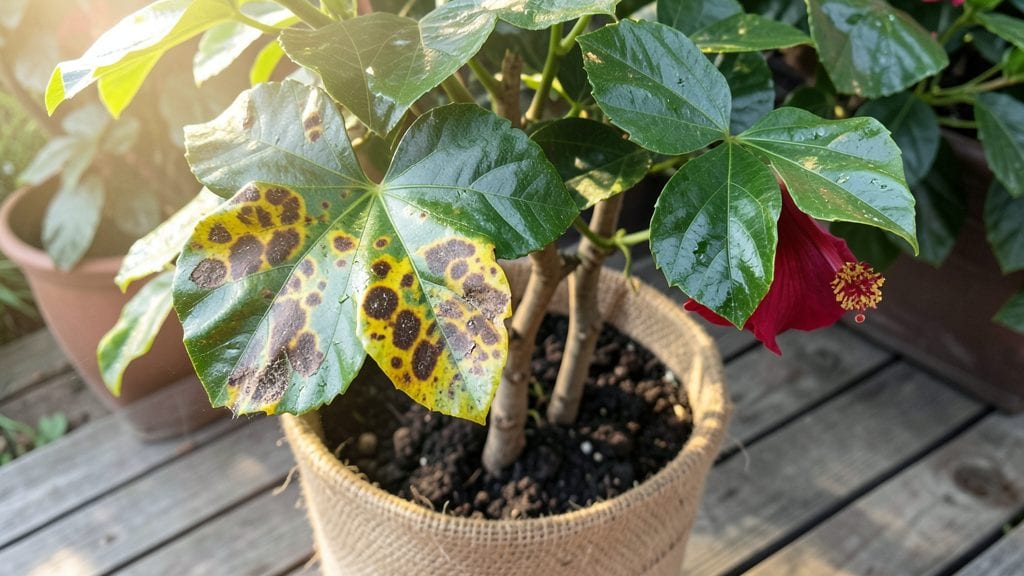
Hibiscus plant diseases can turn your showstopping blooms into a sad, wilted mess if you don’t catch them early. 🌿 I’ve seen anthracnose turn lush leaves to black slime in weeks, and whiteflies suck the life out of new growth faster than you can say "pest problem."
The good news? Most issues have simple fixes if you spot them before they spread.
Common culprits include fungal infections like rust or root rot—often caused by overwatering or poor airflow—and pests like aphids that leave sticky residue behind. My hibiscus thrived after I adjusted watering, pruned crowded branches, and sprayed neem oil at the first sign of trouble.
The key is acting fast: once diseases take hold, they’re harder to reverse.
You’ll learn to recognize early symptoms—yellowing leaves, spots, or webbing—and how to treat them organically or with targeted sprays. Proper spacing, sterilizing tools, and avoiding wet foliage are your best defenses. By the end, your hibiscus will bounce back with vibrant blooms and zero stress.
This guide covers everything from quick fixes to when to call in a pro. Whether you’re dealing with a single leaf spot or a full-blown infestation, you’ll know exactly what to do next. Let’s get those hibiscus plants healthy again!
Root Causes Behind Hibiscus Troubles
Hibiscus plants, with their vibrant blooms and lush foliage, are stunning additions to any garden—but they’re not immune to stress. Understanding why these diseases strike is the first step to prevention.
Below, we break down the real culprits behind common hibiscus ailments, from fungal infections to pest invasions, with clear science-backed explanations.
Hibiscus roots thrive in well-drained soil, but when they’re left soggy, a perfect storm for disease begins. Excess moisture creates anaerobic conditions, weakening the plant’s defenses and inviting pathogens like Phytophthora (root rot) or Fusarium. Here’s why it happens:
- Oxygen deprivation: Waterlogged soil starves roots of oxygen, causing them to suffocate and release sugars that feed fungal growth. 🔬 Fungi like Pythium thrive in these conditions, leading to mushy, discolored roots.
- Nutrient imbalance: Overwatering leaches essential nutrients (like nitrogen and potassium), stressing the plant and making it more susceptible to infections.
- Pest attraction: Damp soil also draws slugs, snails, and soft-bodied insects, which can introduce bacterial or fungal spores through wounds.
Actionable fix: Ensure pots have drainage holes and Hibiscus is planted in soil amended with perlite or sand. Water only when the top 1–2 inches of soil are dry. 💡 Pro tip: Use a moisture meter to avoid guesswork!
Hibiscus loves humidity, but too much creates a fungal paradise. Pathogens like Botrytis cinerea (gray mold) or Alternaria spread rapidly when leaves stay wet for prolonged periods. Here’s the science:
- Spores germinate in moisture: Fungal spores land on leaves and require 12–48 hours of leaf wetness to germinate. Overhead watering or poor air circulation keeps leaves damp, triggering outbreaks. 🌧️
- Temperature sweet spot: Fungi like Colletotrichum (anthracnose) thrive in 70–85°F (21–29°C)—common in tropical climates where hibiscus grows.
- Weakened plant defenses: Stress from nutrient deficiencies, heat stress, or transplant shock lowers the plant’s resistance, making it an easy target.
Actionable fix: Water at the base (not overhead) and space plants for airflow. Prune crowded branches to reduce humidity pockets. 🌬️ Pro tip: Early morning watering gives leaves time to dry before nighttime fungal activity peaks.
Pests like aphids, whiteflies, and spider mites don’t just sap nutrients—they create entry points for diseases. Here’s how:
- Physical wounds: Piercing-sucking insects (e.g., aphids) inject saliva into plant tissues, disrupting cell walls and leaving plants vulnerable to bacterial infections like Xanthomonas.
- Honeydew buildup: Sticky honeydew excreted by pests traps moisture on leaves, promoting sooty mold (Capnodium) and blocking sunlight, which weakens the plant. ☀️
- Viral vectors: Some pests (e.g., whiteflies) transmit viruses like Hibiscus Chlorotic Ringspot Virus, which stunts growth and causes leaf distortion.
Actionable fix: Monitor undersides of leaves for pests and use neem oil or insecticidal soap at the first sign. Introduce beneficial predators (e.g., ladybugs) to control outbreaks naturally. 🐞 Pro tip: Yellow sticky traps can reduce whitefly populations by 50% in weeks!
Hibiscus prefers warm, stable climates, but sudden temperature shifts—like frost or scorching heat—shock the plant and open doors for disease. Here’s the breakdown:
- Cold stress: Temperatures below 50°F (10°C) slow metabolic processes, making hibiscus more prone to fungal infections like Cercospora leaf spot.
- Heat stress: Prolonged exposure to 95°F (35°C)+ causes leaf scorch and wilting, weakening the plant’s immune response.
- Condensation buildup: Nighttime temperature drops cause dew formation, keeping leaves wet and ideal for powdery mildew (Oidium).
Actionable fix: Acclimate hibiscus gradually to temperature changes (e.g., move pots indoors before frost). Use shade cloth in peak summer to prevent heat stress. 🌿 Pro tip: Mulch with straw to regulate soil temperature and reduce shock.
Next up: Spot these early warning signs before diseases take hold—Early Symptoms to Watch For.
Quick Fixes for Common Hibiscus Ailments
When your hibiscus shows signs of stress, acting fast can save its life. Below are targeted solutions for the most common hibiscus diseases and pests, paired with prevention tips to keep your plant thriving. Think of this as your hibiscus first-aid kit—simple, actionable, and effective!
🔥 How to Treat: Fungicide Sprays & Airflow Boost
Fungal diseases like powdery mildew or root rot thrive in damp, stagnant conditions. Here’s how to stop the spread and restore health:
- Prune infected areas 🔪
- Use sterilized scissors to cut off yellowing, spotted, or mushy leaves/stems.
- Dispose of debris in a sealed bag (not your compost!).
- Apply a fungicide 💊
- Neem oil spray (1 tsp neem oil + 1 quart water + dash of soap) – spray early morning or evening to avoid leaf burn.
- Copper-based fungicide (like Bordeaux mixture) for stubborn cases like anthracnose.
- Reapply every 7–10 days until new growth appears.
- Improve airflow & drainage 🌬️
- Space plants 2–3 feet apart to reduce humidity buildup.
- Repot if soil is waterlogged—mix in perlite or sand for better drainage.
- Water at the base (avoid overhead sprinkling) and empty saucers after 30 minutes.
💡 Prevention Tip: Sanitize tools with rubbing alcohol after pruning to prevent cross-contamination.
🍳 Homemade Remedies & Manual Removal
Pests weaken hibiscus by sucking sap, leading to stunted growth or sooty mold (a black fungus from their sticky waste). Kill them fast with these methods:
- Blast them off 💦
- Strong water spray (hose down leaves) dislodges aphids and mealybugs.
- Repeat every 2–3 days for heavy infestations.
- Soap spray solution 🧼
- Mix 1 tbsp mild dish soap + 1 quart water in a spray bottle.
- Test on a small leaf first (some hibiscus varieties are sensitive).
- Spray undersides of leaves where pests hide.
- Introduce beneficial insects 🐞
- Ladybugs or lacewings eat aphids naturally. Buy them online or attract them with dill or fennel plants nearby.
- Isolate heavily infested plants 🚫
- Move affected hibiscus away from healthy ones to prevent spread.
🌡️ Prevention Tip: Inspect new plants for pests before bringing them home—quarantine for 2 weeks if possible.
⏰ Emergency Drainage Fix & Soil Rescue
Root rot (from overwatering or poor drainage) turns roots brown/mushy and kills hibiscus quickly. Act now to save it:
- Stop watering immediately 🚰
- Let the soil dry out completely for 3–5 days before watering again.
- Repot in fresh, dry soil 🏺
- Remove the plant gently from its pot and trim black/mushy roots with sterilized scissors.
- Repot in a container with drainage holes using a mix of:
- 60% potting soil
- 30% perlite or coarse sand
- 10% coconut coir (for moisture control)
- Adjust watering habits 💧
- Water only when the top 1–2 inches of soil are dry.
- Use a moisture meter if you’re unsure—hibiscus hates soggy feet.
- Add hydrogen peroxide (optional) 🧪
- Mix 1 tbsp 3% hydrogen peroxide per gallon of water to help sterilize roots during repotting.
✨ Prevention Tip: Upgrade to self-watering pots with reservoirs to control moisture better.
📊 Fertilizer Fix & Soil Test
Yellow leaves or slow growth often mean nitrogen, iron, or magnesium deficiencies. Boost nutrients with these steps:
- Test your soil 🧪
- Use a DIY soil test kit (available at garden centers) to check pH (ideal: 6.0–6.5 for hibiscus).
- Apply the right fertilizer 🌱
- For yellow leaves (nitrogen deficiency):
- Use a balanced fertilizer (10-10-10) or fish emulsion.
- For yellow veins (iron/chlorosis):
- Sprinkle chelated iron granules around the base and water in.
- For purple stems (phosphorus deficiency):
- Use a bone meal fertilizer lightly around roots.
- For yellow leaves (nitrogen deficiency):
- Foliar feed for quick results 🍃
- Mix 1 tsp Epsom salt (magnesium) + 1 gallon water and spray on leaves weekly for 4 weeks.
🎯 Prevention Tip: Fertilize every 4–6 weeks in growing season (spring–fall) but reduce in winter.
Final Pro Tip: 🌿 Rotate your hibiscus occasionally so all sides get sunlight and airflow—this prevents uneven stress and disease buildup. A happy hibiscus is a healthy hibiscus!
Frequently asked questions
What are the most common signs my hibiscus plant has a fungal infection?
Look for powdery white coatings (powdery mildew), dark brown/black spots with yellow halos (anthracnose), or rust-colored pustules on leaf undersides. Fungal spores thrive in humid conditions, so check leaves after rain or overhead watering. Early action with neem oil or copper fungicide can stop spread before it damages blooms.
How do I tell if my hibiscus has root rot or just needs more water?
Root rot causes mushy, black roots that smell foul, while thirsty hibiscus have firm, pale roots. Lift the plant—if it falls out easily with little resistance, roots are rotting. Let soil dry completely for 3–5 days, then repot in fresh, well-draining mix. Overwatering is the #1 cause of root rot in container-grown hibiscus.
Can I use household items to treat hibiscus pests like aphids or spider mites?
Yes! Mix 1 tbsp dish soap + 1 quart water in a spray bottle and apply to undersides of leaves where pests hide. For stubborn infestations, try a garlic spray (blend 2 cloves + 1 quart water, strain, and add 1 tsp soap). Test on a small leaf first—some hibiscus varieties are sensitive. Repeat every 2–3 days until pests disappear.
Why do my hibiscus leaves turn yellow even when I’m watering properly?
Yellow leaves often signal nutrient deficiencies (like nitrogen or iron) or overwatering. Check soil pH—hibiscus prefer 6.0–6.5. For quick fixes, spray leaves with Epsom salt solution (1 tsp/gallon) for magnesium or use chelated iron granules for chlorosis. Also verify drainage—yellowing from soggy roots looks different than nutrient-related yellowing.
When should I call a professional for my hibiscus plant?
Consult an arborist or extension service if you see unusual wilting despite proper care, black streaks in stems (bacterial infections), or severe defoliation with no clear cause. Systemic diseases (like hibiscus mosaic virus) often require professional diagnosis. For fungal/bacterial issues, act within 7–10 days—delaying treatment lets problems spread beyond saving.