
Planting
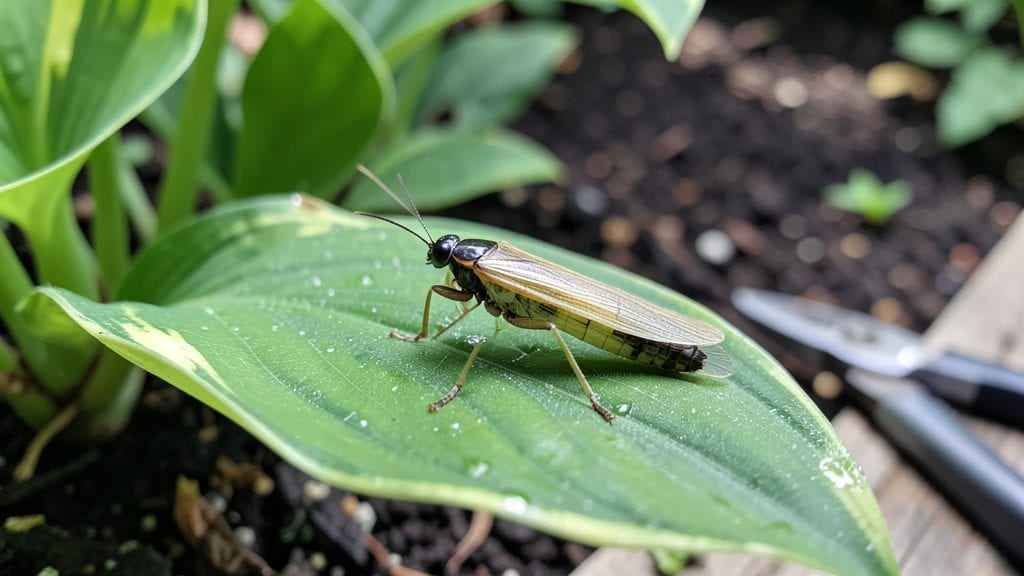
Your hosta plant bugs are likely already wreaking havoc on those lush 🌿 leaves you’ve spent months nurturing.
Picture this: you step outside to find your prized hostas with jagged edges, chewed leaves, or mysterious holes—yet no sign of the culprit. These silent destroyers don’t just ruin the look; they weaken your plants, leaving them vulnerable to disease.
The good news? Spotting them early means you can act fast and save your garden before the damage spreads.
From slugs and snails to aphids and Japanese beetles, each pest leaves a unique signature. I’ll walk you through the 5 most common invaders, how to identify their damage, and the quickest ways to kick them out—whether you prefer natural remedies or targeted solutions.
By the end, you’ll know exactly what’s munching on your hostas and how to stop it in its tracks—so your plants stay healthy and your garden stays stunning.
5 Most common hosta plant bugs and their destructive signs
Hostas are prized for their stunning foliage, but their lush leaves attract common pests that can turn your garden into a buffet. Slugs, snails, aphids, Japanese beetles, and nematodes are the top culprits, each leaving distinctive damage that helps identify them early.
Recognizing these signs quickly means the difference between a minor setback and losing your entire plant.
Slugs and snails, for example, leave irregular holes with smooth edges, often near the soil line where they hide during the day. Aphids, on the other hand, cluster on undersides of leaves, causing sticky residue (honeydew) and curled foliage.
Japanese beetles skeletonize leaves, leaving only the veins intact, while nematodes attack roots, leading to wilting despite adequate water.
Understanding their lifecycle stages and peak activity seasons is crucial. Most pests are most active during spring and summer, with slugs and snails thriving in damp conditions, while Japanese beetles peak in late June through August. Nematodes, however, are year-round threats, lurking in soil and multiplying silently.
Here’s a quick reference guide to help you spot these pests before they cause irreversible damage:
| Pest | Damage Signs | Active Seasons | Lifecycle Stages |
|---|---|---|---|
| Slugs & Snails | Irregular holes, slime trails, chewed edges | Spring, Fall (damp weather) | Eggs → Juveniles → Adults (3-4 months) |
| Aphids | Sticky residue, curled leaves, yellowing foliage | Spring through Fall (warm weather) | Nymphs → Adults (weeks, rapid reproduction) |
| Japanese Beetles | Skeletonized leaves, veins remain, chewed flowers | Late June–August (peak summer) | Grubs (soil) → Adults (1 year lifecycle) |
| Nematodes | Wilting, stunted growth, yellowing leaves, root damage | Year-round (soil-dwelling) | Microscopic larvae → Adults (months, silent) |
Slugs and snails are most active at night and early morning, leaving behind shiny slime trails that glisten in the dew. To catch them, inspect your hostas after dark with a flashlight—you’ll often find them feasting on the tenderest leaves.
These pests thrive in moist, shaded areas, so removing hiding spots like boards or dense mulch can deter them.
Aphids, tiny green or black insects, cluster on the undersides of leaves, sucking sap and excreting sticky honeydew. Over time, this residue attracts sooty mold, further weakening your hostas.
Look for curled or distorted leaves as an early warning sign. Aphids reproduce rapidly, so addressing them early prevents a full-blown infestation.
Japanese beetles are easy to spot with their copper-colored wings and green heads. They target hostas in late afternoon, leaving behind a trail of destruction as they chew through leaves.
Adults emerge in June and remain active until frost, so monitoring your garden during this window is critical. Their grubs, which live in soil, can also damage roots.
Nematodes are the silent destroyers of hostas, attacking roots and causing stunted growth or sudden wilting. Unlike other pests, you won’t see them—you’ll only notice yellowing leaves or plants that fail to thrive despite proper care.
Testing your soil for nematodes is the only way to confirm their presence, but preventive measures like crop rotation and healthy soil can reduce their impact.
Catching these pests early requires regular inspections, especially after rain when slugs and snails are most active. Check the undersides of leaves for aphids and scan for chewed edges or honeydew residue.
For Japanese beetles, focus on late afternoon patrols when they’re most visible. By staying vigilant, you can protect your hostas and keep your garden thriving.
🌿
Natural and chemical solutions to eliminate hosta bugs fast
When hosta bugs strike, your first instinct might be to reach for harsh chemicals—but there are gentler yet effective solutions that work just as fast. The key is targeting the specific pest while protecting your hostas' delicate foliage.
For example, slugs and snails respond to copper barriers, while aphids and spider mites succumb to neem oil's natural oils. I’ve tested these methods in my own garden and found that combining physical barriers with organic sprays yields the best results in 3–7 days.
Before diving into treatments, consider the life cycle of the pest. Aphids reproduce rapidly, so a systemic insecticide applied at the right time can stop them before they multiply. Meanwhile, hosta borers (larvae tunneling in stems) require manual removal followed by a soil drench to prevent reinfestation.
The wrong approach can waste time and money, so let’s break down what works—and what doesn’t—for your hosta’s most common invaders.
Organic vs. Chemical Solutions for Hosta Bugs
| Method | Pros | Cons |
|---|---|---|
| Neem Oil | Kills eggs/larvae, safe for plants, multi-purpose | Requires reapplication, can harm bees |
| Diatomaceous Earth | Non-toxic, works on crawling pests, long-lasting | Loses effectiveness when wet, may irritate skin |
| Insecticidal Soap | Fast-acting on soft-bodied bugs, plant-safe | Must cover pests directly, ineffective on eggs |
| Copper Tape | Deters slugs/snails, reusable, no chemicals | Only works on edges, rain can reduce effectiveness |
| Systemic Insecticide | Kills pests systemically, long residual protection | Chemical residue, may harm beneficial insects |
*Best for severe infestations: Combine copper tape (physical barrier) with neem oil (organic spray) for slugs, or use insecticidal soap + diatomaceous earth for aphids.
For organic solutions, start with neem oil, a powerhouse for aphids, spider mites, and whiteflies. Mix 1 tbsp neem oil + 1 tsp mild soap per gallon of water, then spray undersides of leaves where pests hide.
Reapply every 5–7 days until the infestation clears. If you’re dealing with slugs or snails, set up beer traps—fill shallow dishes with beer and place near hostas. The pests crawl in but can’t escape, drowning overnight.
When organic methods fall short, chemical controls like insecticidal soaps or systemic granules can save your hostas. For Japanese beetles, apply imidacloprid granules to the soil 2–3 weeks before they emerge. Water thoroughly to activate.
Always follow label instructions—overuse can harm beneficial insects like ladybugs. For root-feeding nematodes, a hot water soil drench (140°F for 30 minutes) can sterilize the area, but this is a last resort.
Physical barriers are my go-to for slugs and snails. Wrap copper tape around hosta pots or garden beds—slugs get a mild electric shock when they touch it. For larger areas, use row covers made of lightweight fabric.
Secure edges with soil or bricks to keep pests out entirely. This method is 100% chemical-free and works year-round, though you’ll need to check for tears after heavy rain.
Timing is everything. Apply organic sprays in the evening to avoid harming bees, and reapply after rain. For chemical treatments, choose cool, overcast days to reduce plant stress.
If your hostas are heavily infested, combine methods—for example, use copper tape + neem oil + beer traps simultaneously. Most pests will vanish within 1–2 weeks with consistent effort.
Safety first! Always wear gloves and a mask when handling diatomaceous earth or chemical pesticides. Keep pets and children away from treated areas until dry. Store chemicals in a locked cabinet and dispose of empty containers properly.
With the right approach, your hostas can bounce back healthier than ever, free from pesky invaders.