
Plants
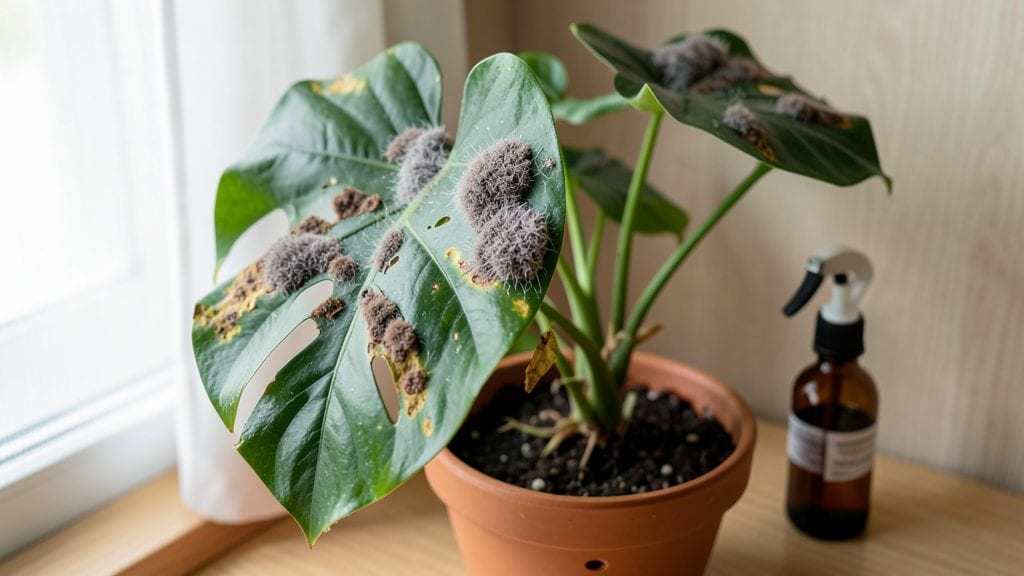
House plant fungus turns your lush green friends into sad, brown messes faster than you’d think. 🌱 I’ve seen it ruin perfectly healthy plants in weeks—usually because of one sneaky mistake: too much love (read: water).
The good news? You can stop it before it starts with a few simple tweaks to how you care for your plants.
Most fungus problems come from overwatering, poor airflow, or dirty tools spreading spores. I learned the hard way when my snake plant developed black spots—turns out, I was watering it like a jungle plant instead of a desert one.
The fix? Let the top inch of soil dry out, wipe leaves with a damp cloth, and sterilize scissors with rubbing alcohol before pruning.
Once you spot fuzzy growth or yellowing leaves, act fast. Trim infected areas, isolate the plant, and treat with neem oil or a fungicide if needed. With the right care, your plants will bounce back stronger—and stay that way. Here’s exactly how to keep them thriving.
This works for common fungus like powdery mildew, root rot, or black spot. The key is catching it early and adjusting care before it spreads. Let’s get your plants back to their healthy selves!
The Hidden Triggers Behind Plant Fungus
Fungal infections in houseplants aren’t random—they’re usually a sign that your green friend’s environment or care routine has gone slightly off-track. Understanding the root causes helps you fix the problem before it spreads.
Let’s break down the most common reasons why fungus takes hold in your plants, with science-backed explanations and actionable insights.
Fungi thrive in wet conditions, and overwatering is the #1 way to create their perfect growing environment. When soil stays soggy for too long, it deprives roots of oxygen and creates a breeding ground for pathogens like Phytophthora (root rot) or Botrytis (gray mold).
- Why it happens: Most houseplants prefer soil that’s moist but not waterlogged. If water pools at the bottom of the pot or drains poorly, fungi multiply rapidly. Even well-draining soil can become a problem if you water on a strict schedule without checking moisture levels.
- Actionable fix:
- ✅ Test soil moisture by sticking your finger 1–2 inches deep—water only if it feels dry.
- ✅ Use pots with drainage holes and a cache pot (tray) underneath to catch excess water.
- ✅ Choose fast-draining mixes (e.g., cactus/succulent blends for drought-tolerant plants).
Many houseplants love humidity, but stagnant, damp air is a fungus magnet. Fungi like Powdery Mildew and Rhizoctonia spread easily in enclosed spaces with poor ventilation—think bathrooms, kitchens, or terrariums without airflow.
- Why it happens: Humidity levels above 60% (common in homes with tropical plants) + no airflow = fungal paradise. Even misting leaves can create the perfect conditions if the air doesn’t circulate.
- Actionable fix:
- ✅ Improve airflow with a small fan (set to low) near plants or open windows occasionally.
- ✅ Avoid misting in enclosed spaces—opt for pebble trays with water instead.
- ✅ Space plants apart to reduce humidity buildup between leaves.
Fungi are opportunistic scavengers. They latch onto dead leaves, stems, or even old mulch to feed and spread. If you’ve ever noticed fuzzy white or black spots on decaying foliage, that’s likely Botrytis or Alternaria at work.
- Why it happens: Dead tissue lacks the defenses of healthy plant cells, making it an easy target. Pruning wounds or bruised leaves also create entry points for spores.
- Actionable fix:
- ✅ Prune regularly—remove yellow, brown, or dying leaves below the infection (sterilize shears with rubbing alcohol first!).
- ✅ Clean up debris—sweep fallen leaves and empty cache pots to eliminate hiding spots.
- ✅ Disinfect tools between cuts to prevent cross-contamination.
Fungi love moderate temperatures (60–80°F), but they also exploit stress caused by temperature swings or low light. Weakened plants are easier targets for infections.
- Why it happens:
- Cold drafts (e.g., near AC vents or drafty windows) slow plant metabolism, making them vulnerable.
- Low light reduces photosynthesis, weakening the plant’s immune response.
- Actionable fix:
- ✅ Keep plants away from drafts (including cold windows in winter).
- ✅ Provide bright, indirect light—most fungi struggle in well-lit conditions.
- ✅ Avoid sudden temperature changes (e.g., moving plants from indoors to outdoors without acclimation).
Even the healthiest plant can get infected if its soil or care tools are already carrying fungal spores. Reusing pots, sharing soil, or using dirty pruners can introduce pathogens directly into your plant’s system.
- Why it happens: Spores can survive in soil for years and hitchhike on tools, water, or even your hands. New plants from nurseries may also bring hidden infections.
- Actionable fix:
- ✅ Sterilize pots—bake clay pots at 200°F for 30 minutes or soak plastic ones in a 10% bleach solution (rinse well).
- ✅ Use fresh potting mix for new plants or repotting—avoid garden soil (it’s often fungus-rich).
- ✅ Clean tools with rubbing alcohol or a bleach solution (1 part bleach to 9 parts water) after each use.
Most fungal issues stem from one or more of these factors. The good news? Once you identify the trigger, you can reverse the damage and protect your plants long-term. Stay tuned for our next section on early signs of infection and how to treat it before it’s too late!
Quick Fixes for Fungal Woes
Fungal infections in houseplants can feel like a silent assassin—creeping in before you even notice the damage. But don’t panic! With the right approach, you can revive your plants and keep future outbreaks at bay.
Below, we’ve mapped out practical solutions for common fungal issues, from powdery mildew to root rot, along with prevention tips to protect your green babies long-term.
Signs: Yellowing leaves, mushy stems, foul odor from the soil.
How to Fix It: 🔥 Step 1: Remove the Plant Gently
- Take the plant out of its pot and rinse the roots with lukewarm water to wash away infected soil. Use your fingers to loosen excess soil stuck to the roots.
🍳 Step 2: Trim the Damage
- Snip off black, mushy, or squishy roots with sterilized scissors (wipe with rubbing alcohol between cuts). Healthy roots should be firm and white.
👨🍳 Step 3: Repot with Fresh Soil - Choose a clean pot (preferably new or thoroughly disinfected with bleach).
Use a well-draining potting mix (add perlite or orchid bark if your plant loves airflow). - Pro Tip: Add a thin layer of gravel or charcoal at the bottom to improve drainage.
🥘 Step 4: Adjust Watering Habits - Let the top 1–2 inches of soil dry out before watering again.
Stick your finger in the soil—if it’s damp past your first knuckle, wait a few more days. - Water at the base (not overhead) to avoid wetting leaves, which can invite fungal spores.
⏰ Step 5: Monitor & Recover
- Place the plant in bright, indirect light (but avoid harsh sun, which can stress it further). Mist lightly once a week to help recovery.
- Prevention: Use pots with drainage holes and avoid saucers that trap water.
Signs: White, powdery patches on leaves (like dust but won’t wipe off easily).
How to Fix It: 🔥 Step 1: Isolate the Plant
- Move it away from other plants to prevent spores from spreading. Mildew loves humidity, so improve airflow by opening windows or using a fan.
🍳 Step 2: Clean the Leaves - Dip a soft cloth or sponge in mild soapy water (1 tsp dish soap + 1 quart water) and gently wipe the affected areas.
Avoid harsh scrubbing—you don’t want to damage the leaves! - For stubborn spots, use a fungicide spray (like neem oil or baking soda solution: 1 tsp baking soda + 1 quart water + a drop of soap).
👨🍳 Step 3: Prune Infected Leaves
- If the mildew is severe, trim the worst-hit leaves with sterilized scissors. Dispose of them in the trash (not compost).
🥘 Step 4: Adjust Care Routine
- Reduce humidity around the plant (aim for 40–60%). Use a dehumidifier or increase airflow with a small fan.
- Water in the morning so leaves dry quickly. Avoid overhead watering—water at the soil level.
💡 Prevention Pro Tip:
- Rotate your plants weekly so all sides get even sunlight (prevents shaded, damp spots where mildew thrives).
- Spray leaves with neem oil once a month as a preventative measure.
Signs: Brown or black spots with yellow halos, often on older leaves.
How to Fix It: 🔥 Step 1: Remove Infected Leaves
- Snip off spotted leaves with sterilized scissors (wipe with rubbing alcohol). Bag them and toss in the trash.
🍳 Step 2: Sterilize Your Tools
- Wipe down pruners, pots, and trays with 70% isopropyl alcohol or a 10% bleach solution (1 part bleach to 9 parts water). Let air dry.
👨🍳 Step 3: Boost Plant Health
- Fertilize lightly with a balanced, water-soluble fertilizer (like 10-10-10) to strengthen the plant’s defenses. Over-fertilizing weakens roots, making them more susceptible to fungus.
- Increase light exposure—weak, etiolated plants are more prone to infections.
🥘 Step 4: Improve Air Circulation
- Thin out crowded foliage to allow better airflow. If your plant is bushy, prune strategically to open up the center.
- Avoid wetting leaves when watering—use a watering can with a narrow spout to direct water to the soil.
✨ Prevention Tip:
- Quarantine new plants for 2–4 weeks before adding them to your collection. Fungal spores can hitch a ride on fresh leaves!
Want to keep fungus at bay for good? Follow this easy maintenance routine:
| Do This | Avoid This |
|---|---|
| 💡 Water deeply but less often (soak soil, then let dry) | ❌ Overwatering or soggy soil |
| 🌡️ Monitor humidity (40–60% is ideal) | ❌ Crowded, damp spaces |
| 🍃 Inspect leaves weekly for early signs | ❌ Ignoring yellowing or spots |
| 🔄 Rotate plants for even sunlight | ❌ Leaving plants in one spot too long |
| 🧼 Clean tools & pots regularly | ❌ Using dirty pruners or reused soil |
| 🌿 Use fungicide sprays (neem oil, baking soda) monthly | ❌ Skipping preventative care |
Final Thought: Fungal issues are manageable—they just require vigilance and quick action. By adjusting your watering habits, improving airflow, and keeping your plants healthy, you’ll turn your home into a fungus-free paradise for your green friends! 🌱💚
Frequently asked questions
What are the first signs my houseplant has fungus?
Watch for fuzzy white or gray patches on leaves (powdery mildew), yellowing or brown spots with dark edges (leaf spot), or mushy stems with a foul smell (root rot). Early detection is key—act fast by isolating the plant and removing infected areas.
Can I use household items to treat fungal infections?
Yes! Mix 1 teaspoon baking soda with 1 quart water and a drop of dish soap for a natural fungicide. Neem oil (1 tsp per quart of water) also works well. Always test sprays on a small leaf first to avoid damage.
Why does my plant keep getting fungus even after treatment?
Recurring fungus often means the root cause (like overwatering or poor airflow) isn’t fixed. Check your watering habits—let soil dry 1-2 inches deep between waterings. Also ensure your plant has good circulation and isn’t sitting in a damp spot.
Is it safe to compost plant leaves with fungus?
No, never compost infected plant material. Fungal spores can survive and reinfect your garden. Toss infected leaves in the trash instead—this prevents spreading spores to other plants or your soil.
How often should I clean my plant’s leaves to prevent fungus?
Wipe leaves with a damp microfiber cloth every 2-4 weeks to remove dust and prevent fungal growth. For tropical plants, mist lightly in the morning so leaves dry quickly. Avoid wet leaves at night when humidity rises.