
Container Gardens
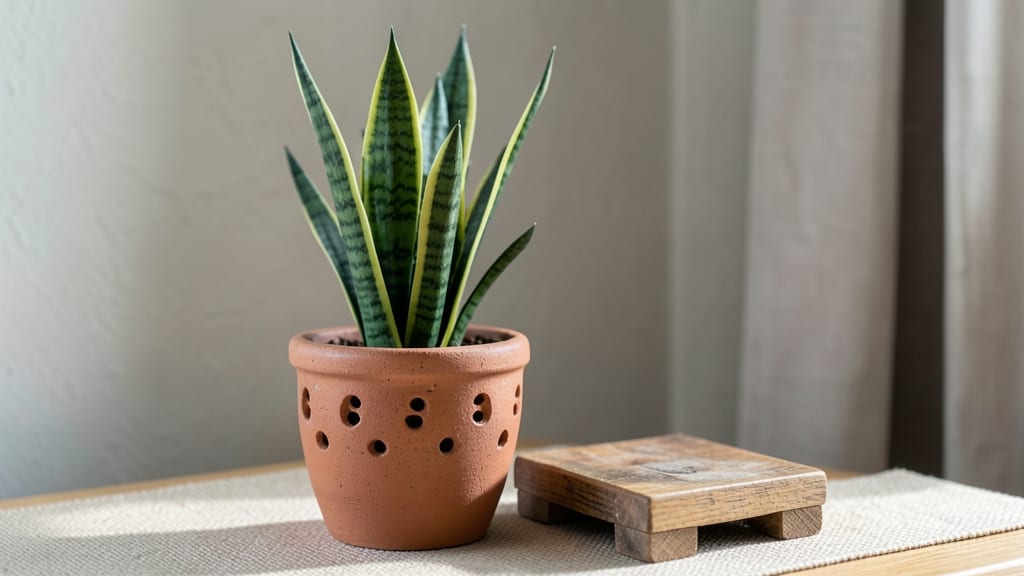
The right house plants containers can transform your green space from functional to showstopping. I've filled every nook with stylish pots that actually improve growth—terracotta for breathable roots, woven baskets for humidity-loving plants, and sleek ceramic for bold statement pieces.
The secret isn't just aesthetics; it's matching material to plant needs while keeping your space cohesive.
Start with size: a fiddle-leaf fig needs at least a 12-inch pot, while a snake plant thrives in a 6-inch container. Ceramic holds moisture longer (perfect for succulents), terracotta dries faster (ideal for tropicals), and macramé adds air circulation for ferns.
My favorite combo? A large woven basket with a self-watering liner—it hides the mess while keeping roots happy.
You'll end up with a collection that grows as beautifully as it looks. The right pot prevents root rot, supports faster growth, and lets you mix textures—think glossy leaves spilling over a matte black pot or trailing pothos in a hanging macramé holder.
Even small spaces feel lush when you play with height and material contrasts.
Works for sunrooms, offices, or living rooms—just adjust materials based on light levels. Now let's pick the perfect pots for your plants!
Root Problems in Plant Pots
Your houseplants might not be thriving because of hidden issues tied to their containers—not just the soil or watering habits. Understanding the science behind these problems helps you pick the right pots and avoid common pitfalls. Here’s why your plant’s container could be sabotaging its growth (or even its survival).
If your plant’s container lacks drainage holes, excess water pools at the roots, cutting off oxygen and inviting root rot—a fungal infection that strangles plant life. Without airflow, roots suffocate, turning brown and mushy, while leaves wilt or develop yellow patches.
- Why it happens: Water molecules cling to soil particles in sealed pots, creating an anaerobic (oxygen-free) zone. Fungi like Phytophthora thrive here, breaking down root cells.
- Science deep dive: Roots rely on aeration (gas exchange) to absorb nutrients. In waterlogged soil, roots switch to fermentation for energy—inefficient and toxic. Over time, this weakens the plant’s vascular system.
- Actionable fix: Use pots with drainage holes or add a layer of perlite or hydroponic clay pebbles to the bottom. For cachepot styles (decorative outer pots), ensure the inner container has holes.
Some container materials—like glossy ceramics or thick plastic—absorb and radiate heat, baking roots during sunny days or chilling them in drafty spots. This thermal stress disrupts nutrient uptake and cell metabolism.
- Why it happens:
Material Risk Effect on Roots Glossy ceramic High heat absorption Roots overheat, proteins denature (like scrambled eggs!), and cell membranes leak. Unfired clay (terracotta) Rapid moisture loss Soil dries out unevenly, causing root desiccation (think of a prune!). Plastic Poor insulation Temperature swings stress roots, reducing mycorrhizal fungus (beneficial soil partners) activity. - Actionable fix:
- Choose matte-finish or unglazed pots for better heat reflection.
- Use fabric grow bags for breathability (great for tropical plants).
- Avoid placing pots near HVAC vents, radiators, or cold windows.
When roots fill a container, they circle (girdle) the soil, competing for nutrients and water. This creates a root-bound plant that stunts growth, drops leaves, or even topples over.
- Why it happens:
- Roots seek oxygen and nutrients beyond the soil’s edge. When confined, they grow in tight loops, restricting water flow.
- Science alert: Ethylene gas (a plant stress hormone) builds up in overcrowded roots, triggering leaf drop and flowering suppression.
- Some plants (like monstera or ficus) signal distress by yellowing leaves or slowing vine growth.
- Actionable fix:
- Repot every 12–18 months or when roots emerge from drainage holes.
- Choose pots 1–2 inches larger in diameter (not depth!) to avoid shocking the plant.
- For slow growers (e.g., succulents), opt for shallow, wide containers to encourage horizontal root spread.
Some pots leach harmful chemicals or trap salts from tap water, altering soil pH or poisoning roots. For example, zinc or copper in cheap glazes can accumulate over time, while sodium buildup from hard water creates a salty crust.
- Why it happens:
- Acidic pots: Unfired clay or pewter containers can lower soil pH, locking out nutrients like phosphorus and calcium (essential for flowering and cell walls).
- Salty soil: Hard water + evaporating moisture = white crust on soil. This osmotic stress forces roots to work harder to absorb water, leading to wilting despite wet soil.
- Metal pots: Copper or brass containers can leach heavy metals, causing chlorosis (yellowing leaves) as the plant struggles to process iron.
- Actionable fix:
- Use food-grade ceramic or BPA-free plastic (marked "plant-safe").
- Flush soil annually with rainwater or distilled water to leach salts.
- For acidic-loving plants (e.g., azaleas), use peat-based mixes and avoid limestone pots.
Containers that are too large retain moisture, while too-small pots dry out roots instantly. Both extremes disrupt the plant’s natural hydrological balance.
- Why it happens:
- Oversized pots: Excess soil stays damp for weeks, promoting anaerobic bacteria that produce hydrogen sulfide (toxic to roots).
- Undersized pots: Roots dry out in hours, triggering abscisic acid (a drought stress hormone) that causes leaf drop.
- Science note: The root-to-pot volume ratio should be 1:3—too much empty space = wasted energy for the plant.
- Actionable fix:
- For small plants (e.g., succulents), use pots 2–3x the root ball diameter.
- For large plants (e.g., fiddle-leaf figs), upgrade pots gradually (e.g., 6" → 8" over 6 months).
- Pro tip: Fill extra space with fast-draining mix (e.g., 50% perlite) to prevent soggy soil.
Fixing Common Container Issues
Even the most stylish house plant pots can lead to problems if not cared for properly. Whether it’s drainage woes, root-bound stress, or pests hitching a ride, these issues are fixable with the right approach.
Below, we’ll tackle the most common container challenges and show you how to restore your plants—and their pots—to perfect health. Prevention tips included!
If your plants are sitting in soggy soil or developing yellow leaves, poor drainage is likely the culprit. Containers without drainage holes trap excess moisture, suffocating roots and inviting fungal diseases.
🔧 How to Fix It
- 🔥 Add Drainage Holes (If Possible) If your pot lacks holes, drill a few near the bottom (or repot into one that does). Use a masonry bit for ceramic or a sharp drill for plastic.
- 🍳 Layer Up for Better Flow Add a layer of gravel, perlite, or broken pottery shards at the bottom before soil. This creates air pockets and prevents clogging.
- 👨🍳 Choose the Right Soil Mix Swap heavy garden soil for a well-draining potting mix blended with orchid bark, coconut coir, or vermiculite (20-30% of the mix).
💡 Prevention Tips
- ✨ Pick Self-Watering Pots Wisely – If using a cache pot (a decorative outer pot with a removable inner one), ensure the inner pot has drainage.
- 🌡️ Monitor Watering – Stick your finger in the soil; water only when the top 1-2 inches are dry.
- 🎯 Elevate Pots – Place saucers under pots to catch runoff, but empty them after 15 minutes to avoid root rot.
Crowded roots circling the pot’s edges signal it’s time to upgrade your container. Root-bound plants struggle to absorb nutrients, leading to stunted growth or leaf drop.
🔧 How to Fix It
- 🔥 Repot into a Larger Container Choose a pot 2-3 inches wider than the current one. If unsure, gently remove the plant and check root density—if roots are densely packed, it’s time to move up.
- 🍳 Refresh the Soil Trim 10-20% of the root ball (especially circling roots) before repotting. Use fresh, nutrient-rich potting soil to encourage new growth.
- 👨🍳 Prune for Balance While repotting, trim any yellow or mushy roots with sterilized scissors. Dust cuts with cinnamon powder (natural antifungal).
💡 Prevention Tips
- ✨ Repot Every 1-2 Years – Most houseplants benefit from a fresh container and soil annually.
- 🌡️ Choose the Right Size Upfront – Avoid oversized pots (they hold too much moisture); opt for containers just 1-2 inches larger than the root ball.
- 🎯 Use Fabric or Coir Pots – These biodegradable options allow roots to expand naturally without repotting.
Spider mites, mealybugs, and fungus gnats love container-grown plants. If you spot webbing, sticky residue, or tiny flying insects, your plants need a deep clean.
🔧 How to Fix It
- 🔥 Isolate and Inspect Move the infested plant away from others. Check undersides of leaves, stems, and soil surface for pests.
- 🍳 Treat with Natural Remedies
- 🥘 Soapy Water Spray: Mix 1 tsp mild dish soap + 1 quart water, spray leaves, and rinse after 10 minutes.
- 🔪 Neem Oil Solution: Combine 1 tsp neem oil + 1 tsp horticultural oil + 1 quart water, spray weekly for 2 weeks.
- ⏰ Beneficial Nematodes: For soil-dwelling pests like grubs, apply nematodes (microscopic worms that kill larvae).
- 👨🍳 Sterilize Containers Wash pots with soapy water and a 10% bleach solution (1 part bleach to 9 parts water) before repotting.
💡 Prevention Tips
- ✨ Quarantine New Plants – Keep newly purchased plants separate for 2-4 weeks to monitor for pests.
- 🌡️ Reduce Soil Moisture – Fungus gnats thrive in damp soil; let the topsoil dry out between waterings.
- 🎯 Use Sticky Traps – Place yellow sticky traps near pots to catch flying pests early.
With these fixes, your house plant containers will not only look stylish but also support thriving, pest-free plants. A little proactive care goes a long way in keeping your green friends happy and healthy! 🌿✨
Frequently asked questions
What are the best materials for house plant containers?
Ceramic and terracotta pots are classic choices—ceramic retains moisture (great for succulents), while terracotta breathes (ideal for tropical plants). For humidity-loving plants like ferns, woven baskets or fabric grow bags work wonders. Plastic pots are lightweight and budget-friendly but may trap heat. Always prioritize drainage compatibility with your plant's needs.
How do I choose the right size container for my houseplant?
Start with pots that are 1-2 inches wider than your plant's root ball. A fiddle-leaf fig needs at least a 12-inch pot, while snake plants thrive in 6-inch containers. Avoid oversized pots—they retain too much moisture. For slow growers like succulents, shallow, wide pots encourage horizontal root spread.
Can I use decorative outer pots without drainage holes?
Only if the inner pot has drainage! Place your plant in a cache pot (inner pot with holes) and nest it inside a decorative outer pot. This keeps roots healthy while adding style. Empty any saucers after 15 minutes to prevent waterlogging. For self-watering cache pots, use moisture meters to monitor soil levels.
What's the best way to clean house plant containers?
Wipe ceramic or plastic pots with soapy water and a 10% bleach solution (1 part bleach to 9 parts water). For terracotta, scrub gently with a brush and dry completely. Avoid soaking terracotta—it can weaken the material. Disinfect pots before repotting to prevent disease transfer between plants.
How can I style multiple house plants in containers for visual appeal?
Create height variation with tall, slender pots for plants like snake plants and shorter, wider ones for trailing pothos. Mix textures—matte black pots against glossy leaves or woven baskets with variegated foliage. Group plants with similar watering needs together. Add decorative elements like moss or pebbles to unify styles while keeping drainage functional.