
Propagation
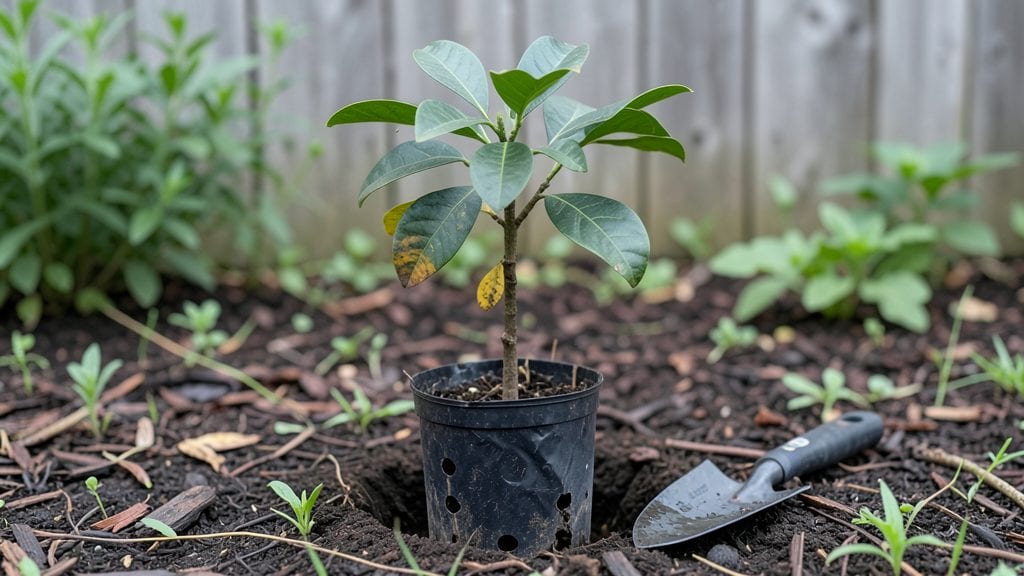
Planting a grapefruit tree from seed gives you a living piece of the tropics right in your yard—though it’ll take patience and the right conditions. 🌱 I’ve watched seeds sprout into sturdy saplings, and the process is simpler than most people think, especially if you’re in a warm climate where grapefruit trees thrive.
The key is starting with fresh seed, warm soil, and consistent moisture—no fancy equipment needed. You’ll need a small pot, well-draining soil mix, and a sunny spot (or grow light) to keep the seed cozy while it germinates, which can take anywhere from two weeks to two months.
Once the sprout appears, the real adventure begins as you nurture it into a tree.
By three months, you’ll have a tiny sapling with its first real leaves, and with proper care, it could grow into a fruit-bearing tree in 5-10 years.
The first harvest might not be perfect, but the journey—watching it grow from a speck in the soil to a towering citrus tree—is worth every drop of water and hour of sunlight.
Best for zones 9-11, but container growing works in cooler areas too. Just be ready for slower growth and extra winter protection. Here’s how to get started without killing your seedling before it even leaves the pot.
📚 In This Guide
- What you need
- Instructions
- Tips and common mistakes
- Wrapping up and next steps
What you need
- ● Grapefruit seeds – 3–5 fresh, plump seeds (harvested from a ripe grapefruit).
- ● Small pots or seed trays – 3–4 (4–6 inches in diameter) with drainage holes.
- ● Well-draining potting mix – A blend of cactus/succulent mix or 50% peat moss, 30% perlite, 20% sand.
- ● Plastic wrap or humidity dome – To retain moisture while seeds germinate.
- ● Spray bottle – For gentle watering (avoid over-saturating).
- ● Grow lights or sunny windowsill – A warm, bright spot (70–85°F) is ideal.
- ○ Small hand trowel – For planting seeds (optional but helpful).
- ● Fertilizer (balanced, low-nitrogen) – Like 10-10-10 or fish emulsion (use sparingly after germination).
- ○ Heat mat (optional) – Speeds up germination if your space is cool.
- ● Larger container (5+ gallons) – For transplanting once seedlings are sturdy.
- ● Mulch (e.g., straw or coconut coir) – Helps retain moisture in later stages.
Step-by-step instructions for growing a grapefruit tree from seed
Growing a grapefruit tree from seed is easier than you think—just follow these simple steps.
🌱 Step 1: Extract and Prepare the Seed
Start by cutting a grapefruit in half and removing the seeds with a spoon. Rinse them under cool water to remove any pulp, then let them dry on a paper towel for 24 hours. The goal is to remove excess moisture so the seed doesn’t rot before planting. I like to place them in a single layer on the towel and leave them near a sunny window.
Once dry, store the seeds in a sealed plastic bag in the refrigerator for 2-4 weeks. This mimics the natural winter dormancy period and helps break dormancy, speeding up germination. I label the bag with the date so I don’t forget when to plant them.
💧 Step 2: Plant the Seeds in a Moist Growing Medium
Fill a small pot, at least 3-4 inches deep, with a well-draining potting mix. I use a blend of 50% peat moss and 50% perlite to ensure good drainage—grapefruit seeds rot easily if kept too wet. Moisten the mix until it’s damp but not soggy, then press it down lightly to remove air pockets.
Plant the seeds ½ inch deep in the soil, spacing them about 1 inch apart. Cover them lightly with more soil and mist the surface with water until it’s evenly moist. Place the pot in a warm, sunny spot, like a windowsill facing south. You’ll see tiny sprouts in about 2-4 weeks—just keep the soil consistently moist but not waterlogged.
☀️ Step 3: Transplant Seedlings into Individual Pots
Once the seedlings have 2-3 true leaves and are about 4-6 inches tall, it’s time to transplant them into their own pots. Choose pots that are at least 6 inches deep and have drainage holes. Fill each pot with fresh potting mix and make a small hole in the center with your finger.
Gently remove the seedling from its original pot, being careful not to damage the roots. Place it in the new hole and firm the soil around the base. Water lightly to settle the soil, then place the pot in a bright, indirect light spot. Avoid direct sunlight at first—it can scorch the young leaves. You’ll know they’re adjusting well when new growth appears within 1-2 weeks.
🪴 Step 4: Move Seedlings Outdoors Gradually
After the seedlings have grown to about 1 foot tall and have developed a sturdy stem, it’s time to acclimate them to outdoor conditions. Start by placing them outside in a sheltered spot for 1-2 hours the first day, gradually increasing their time outdoors over 1-2 weeks. This process, called hardening off, helps them adjust to wind, sun, and temperature changes.
Once they’re spending full days outside, choose a permanent spot in your garden with full sun exposure and well-draining soil. Dig a hole twice as wide as the pot but no deeper, then carefully remove the seedling and place it in the hole. Fill in with soil, water deeply, and add a layer of mulch to retain moisture. Your young grapefruit tree is now ready to grow!
Tips & tricks for growing a grapefruit tree from seed
Here's what nobody tells you about nurturing those grapefruit seeds into thriving young trees.
Seed Preparation Secret: The 24-hour drying period is crucial—don't rush it! I've learned the hard way that damp seeds rot before they even sprout. Place them in a single layer on a paper towel and position them near a sunny window (not direct sunlight) to speed up evaporation while preventing mold. This step mimics the natural drying process seeds experience in tropical climates.
The Cold Treatment Trick: That 2-4 week refrigerator stint isn't just busywork—it's breaking the seed's natural dormancy. Think of it like waking up from a long winter's nap. I always label my bags with the planting date because some seeds need the full 4 weeks while others germinate faster. If you're impatient, you can test one seed after 2 weeks to see if it's ready.
Soil Mix Matters: The 50/50 peat moss and perlite blend is non-negotiable for grapefruit seeds. I've tried regular potting soil and watched seeds drown within days. The perlite creates air pockets that prevent root rot, while the peat moss retains just enough moisture. Pro tip: Sterilize your mix by baking it in the oven at 200°F for 30 minutes before planting to kill any harmful fungi.
Transplanting Timing: Waiting for those 2-3 true leaves (not the initial seed leaves) ensures your seedlings are strong enough to handle transplanting. I've made the mistake of moving them too soon, and they just wilted. When you see the third true leaf appear, that's your green light. Also, choose pots with drainage holes—this is non-negotiable for tropical plants that hate soggy roots.
Pro Tips for Plant A Grapefruit Tree From Seed
- Here's what nobody tells you about nurturing those grapefruit seeds into thriving young trees.
- Seed Preparation Secret: The 24-hour drying period is crucial—don't rush it!
- The Cold Treatment Trick: That 2-4 week refrigerator stint isn't just busywork—it's breaking the seed's natural dormancy.
Frequently asked questions
Got questions about growing a grapefruit tree from seed? You’re not alone! Here are answers to the most common queries—so you can dive in with confidence.
How long does it take for a grapefruit seed to sprout?
A grapefruit seed typically sprouts within 2 to 4 weeks if kept in warm, moist conditions. Patience is key—some seeds may take longer, especially if the soil stays too dry or cold. Keep the pot in a bright, indirect light spot and maintain consistent moisture to speed up germination.
Will a grapefruit tree grown from seed produce fruit?
While it’s possible, don’t expect fruit for 5 to 10 years—if ever. Seed-grown trees often take decades to bear fruit, and the quality may not match grafted varieties. If you’re eager for fruit, consider grafting a known cultivar onto your seedling later. For now, enjoy the journey and the lush foliage!
What’s the best temperature for growing a grapefruit seed?
Grapefruit seeds thrive in warmth (70–90°F). If your home is chilly, place the pot near a sunny window or use a seedling heat mat. Avoid drafts or sudden temperature drops, which can stunt growth. Once sprouted, keep it in a consistently warm environment to encourage strong root development.
Can I plant a grapefruit seed directly in the ground?
Not right away! Start indoors in a small pot with well-draining soil to protect the tender seedling. Once it’s 6–12 inches tall and the weather is warm (spring or summer), transplant it outdoors. Harden it off first by gradually exposing it to outdoor conditions for a week to prevent shock.
Why did my grapefruit seedling turn yellow or wilt?
Yellowing or wilting usually signals overwatering, underwatering, or poor drainage. Check the soil—it should stay moist but not soggy. If the leaves feel crispy, it’s thirsty; if they’re mushy, it’s drowning. Adjust watering and ensure the pot has drainage holes. Pests like spider mites can also stress seedlings—inspect the undersides of leaves if issues persist.
How big will a grapefruit tree grown from seed get?
Seed-grown grapefruit trees can reach 20–40 feet tall if given ideal conditions (full sun, warm climate, and regular care). However, they grow slower than grafted trees and may develop a broader, less uniform shape. Prune regularly to manage size and encourage a bushier form if desired.
Wrapping up and next steps
Growing a grapefruit tree from seed is a rewarding journey that connects you to nature’s sweetest surprises! 🌱 While patience is key—remember, fruit may take years—every tiny sprout is a step toward tropical sunshine on your doorstep.
Once your seedling thrives, consider transplanting it outdoors (if climate-permitting) or nurturing it in a pot for a future harvest. Now grab those seeds, get planting, and watch your green thumb grow—literally!
Pro tip: Document your progress with photos—it’s the best way to track (and celebrate!) your grapefruit tree’s growth over time. 📸✨