
How To
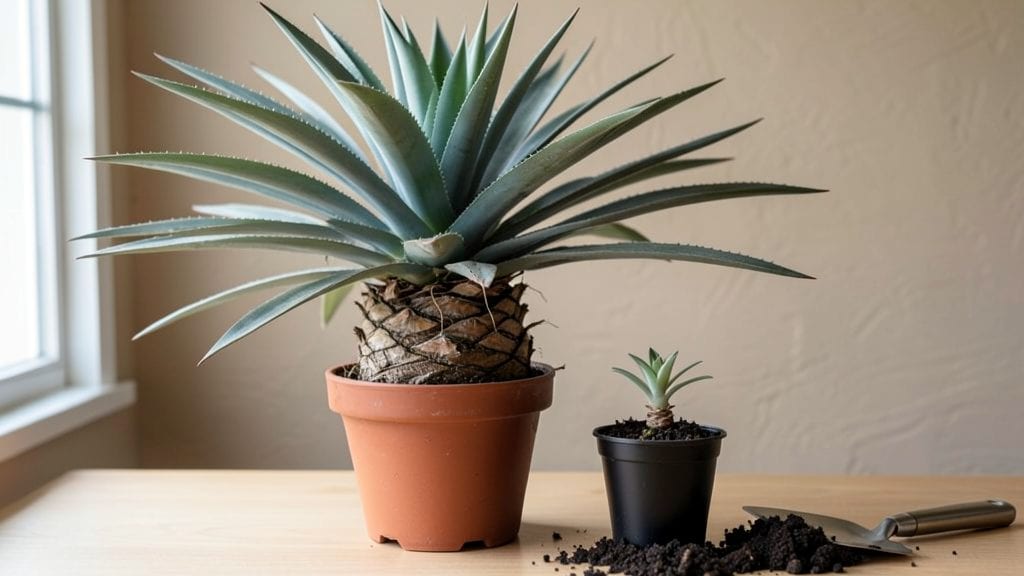
Transplanting a yucca plant feels like giving it a fresh start—if you time it right and handle the roots carefully. 🌱 I’ve moved mine twice, and the second time I learned how to minimize shock so badly that the plant looked like it was recovering from a spa day by week three.
The key is spring or fall when temperatures are mild, not sweltering or freezing.
Start by digging a hole twice as wide as the root ball but only as deep as the plant’s current soil line. Yuccas hate soggy roots, so amend the native soil with coarse sand or gravel to improve drainage—think of it as giving your plant a well-drained foundation.
Water deeply the day before moving to reduce stress, then lift the plant gently, keeping as much root system intact as possible.
📚 In This Guide
- What you need
- Instructions
- Tips and common mistakes
- Wrapping up and next steps
What you need
- ● Yucca plant – Healthy, well-established (at least 1–2 feet tall for easier handling).
- ● New pot – 1–2 inches larger in diameter than the current container, with drainage holes. Terracotta or ceramic pots work best for airflow.
- ● Well-draining potting mix – A blend of cactus/succulent soil (60%), perlite or pumice (20–30%), and sand (10%). Avoid heavy garden soil!
- ● Gloves – Heavy-duty gardening gloves to protect against sharp yucca leaves.
- ● Trowel or small shovel – For digging and loosening roots.
- ● Watering can or hose with a gentle nozzle – For post-transplant hydration.
- ● Pruning shears or clean knife – To trim damaged roots or leaves if needed.
- ○ Mulch (optional but helpful) – Gravel or coarse sand to top the soil and deter moisture retention.
- ● Rooting hormone – Speeds up recovery for damaged roots (apply to cut ends before replanting).
- ● Fertilizer (low-nitrogen, succulent-specific) – Wait 4–6 weeks post-transplant to avoid overfeeding.
- ● Support stake or trellis – If your yucca is tall and top-heavy, secure it temporarily.
- ● Plant saucer or tray – Catches excess water and prevents soil erosion.
Step-by-Step instructions for transplanting a yucca plant
Yuccas handle transplanting better than most people think—here’s how to do it right.
🪴 Step 1: Choose the Right Time and New Location
Transplant your yucca on a cool, overcast day or in the early morning to reduce stress. Yuccas thrive in full sun with well-draining soil, so pick a spot that gets at least 6 hours of sunlight daily. Avoid heavy clay soil—yuccas hate soggy roots, and waterlogged soil will kill them within weeks.
If you’re moving it indoors, place it near a south-facing window or under a grow light for 8+ hours of light. Yuccas indoors need bright light to stay healthy, or they’ll stretch and lose their striking form. Test the new spot for a few days before transplanting—if the leaves start yellowing, the light isn’t strong enough.
💧 Step 2: Water and Prepare the Plant
Water your yucca 2-3 days before transplanting—this gives the roots time to absorb moisture but keeps the soil from being muddy. You’ll know it’s ready when the top 2 inches of soil feel dry to the touch. Overwatering now makes the roots slippery and harder to handle, increasing transplant shock.
Gently loosen the soil around the base with a hand trowel, working 6-8 inches out from the trunk. Yuccas have deep, fibrous roots, so don’t dig too aggressively—you want to preserve as much of the root ball as possible. If the plant is large, you might need a shovel or garden fork to lift it carefully without breaking roots.
🌱 Step 3: Dig the New Hole and Transplant
Dig a hole twice as wide as the root ball but only as deep as the plant was growing before. Yuccas don’t like being buried too deep—this can cause rot. Place the plant in the hole and fill the gap with native soil mixed with coarse sand or perlite (if your soil is heavy). This improves drainage and mimics the plant’s natural habitat.
Press the soil gently around the base to remove air pockets but don’t compact it. Yuccas prefer loose, well-aerated soil. Water lightly right after planting to settle the soil, but don’t drown it. You’ll see the soil settle naturally—this ensures the roots make good contact with the earth without suffocating.
☀️ Step 4: Care for the Yucca After Transplanting
Keep the soil moist but not soggy for the first 2 weeks after transplanting. Water deeply once a week (or when the top 3 inches of soil feel dry). Overwatering is the #1 killer of newly transplanted yuccas—stick your finger in the soil to check before watering.
Fertilize lightly 4-6 weeks after transplanting with a balanced, slow-release fertilizer (like 10-10-10). Yuccas are drought-tolerant once established, but they’ll appreciate a little extra nutrients to recover from the move. Avoid high-nitrogen fertilizers—they encourage leafy growth at the expense of the plant’s striking form.
✂️ Step 5: Monitor and Adjust for Long-Term Success
Watch for yellowing leaves—this usually means the plant is getting too much water or not enough sun. If the leaves turn brown and crispy, it’s likely underwatering or sunburn (common if you moved it to a hotter spot). Yuccas are tough, but they’ll tell you when something’s off.
After 3-4 months, your yucca should look fully recovered. If it’s still struggling, check the soil drainage—if water pools after rain, amend the soil with more sand or gravel. With the right care, your transplanted yucca will thrive for years, adding that desert-inspired drama to your garden.
Tips & tricks for transplanting a yucca plant
Here's what nobody tells you about moving yuccas that'll make all the difference in survival rates.
The Timing Secret: The 2-3 day watering window before transplanting is crucial—it's not just about hydration. I learned this the hard way after ruining three batches by either overwatering (making roots slippery) or underwatering (stressing the plant). Aim for soil that feels dry just at the top 2 inches, like a slightly damp sponge. This balance gives you roots that hold together during transplanting without being waterlogged.
Root Ball Rescue: When loosening the soil in Step 2, think of it like unwrapping a delicate package. Use your hand trowel to gently work just 6-8 inches out from the trunk—yuccas have those deep, fibrous roots that spread wide. If you're dealing with a large specimen, switch to a garden fork and lift from underneath rather than pulling from the top. Between us, I've seen people yank these plants by the leaves and end up with a root ball the size of a golf ball. Don't make that mistake!
Soil Science: That hole you dig in Step 3 needs to be twice as wide but not deeper than the original planting depth. Here's the thing: yuccas hate being buried too deep—it causes rot. Mix your native soil with coarse sand or perlite (about 20% sand/perlite to 80% soil) if your garden has heavy clay. I've seen yuccas thrive in pure sand mixes, but native soil with amendments works too. The key is that water needs to drain like a sieve, not pool like a puddle.
Post-Transplant Check: After those first 2 weeks of careful watering, you'll notice something interesting—the soil settles naturally as roots establish. This is actually a good sign! The roots are making contact with the earth. At the 3-4 month mark, if your yucca still looks sad, check drainage by pouring a gallon of water on it. If water pools after 30 minutes, you need more gravel or sand in that soil mix. Yuccas are tough, but they'll tell you when something's wrong through their leaves.
Pro Tips for Transplant A Yucca Plant
- Here's what nobody tells you about moving yuccas that'll make all the difference in survival rates.
- The Timing Secret: The 2-3 day watering window before transplanting is crucial—it's not just about hydration.
- Root Ball Rescue: When loosening the soil in Step 2, think of it like unwrapping a delicate package.
Frequently asked questions
Got questions about transplanting your yucca plant? You’re not alone! Here are some of the most common concerns—and straightforward answers—to keep your plant thriving after the move.
When is the best time to transplant a yucca plant?
The ideal time is early spring or late fall when temperatures are mild (50–75°F). Avoid extreme heat or frost, as yuccas are sensitive to stress during these times. If you’re in a warm climate, spring is your best bet to minimize shock.
Can I transplant a yucca plant in summer?
Transplanting in summer is risky because of intense heat and drought stress. If you must move it, do so in the early morning or late afternoon, water deeply before and after, and provide shade for a few weeks. Yuccas are drought-tolerant but not heat-shock tolerant!
How do I know if my yucca plant is ready to be transplanted?
Your yucca is ready when it’s root-bound (roots circling the pot) or outgrowing its current space. Check by gently removing it from the pot—if roots are dense or breaking the container, it’s time. Overcrowding also signals readiness, as yuccas thrive with room to spread.
How often should I water a yucca after transplanting?
Water lightly but frequently for the first 2–3 weeks (every 2–3 days) to help roots establish. After that, reduce to deep but infrequent watering (every 1–2 weeks). Overwatering is the #1 killer—yuccas hate soggy soil! Let the top 2–3 inches dry out between waterings.
Why are the leaves turning yellow after transplanting?
Yellowing leaves are usually a sign of transplant shock or root damage. If only the lower leaves are yellow, it’s normal—older leaves shed as new growth takes over. But if new leaves are yellow or mushy, you’re likely overwatering. Trim dead leaves and adjust your watering routine immediately.
Can I transplant a yucca from a pot to the ground (or vice versa)?
Yes! Follow the same steps, but adjust for soil conditions. If moving indoor yuccas outside, harden them off first (acclimate to sunlight gradually). For ground yuccas to pots, dig a 2–3 foot hole, loosen roots, and amend native soil with sand or gravel for drainage.
Wrapping up and next steps
Transplanting your yucca plant doesn’t have to be stressful—with the right prep, timing, and care, you’ll give it the best shot at thriving in its new home! 🌱 Remember: choose the ideal season, handle those roots gently, and provide plenty of sunlight and well-draining soil.
Your yucca will reward you with stunning foliage and resilience.
Now that you’re ready to take action, pick a sunny spot in your garden or pot up your yucca with confidence. Need extra inspiration? Explore creative ways to style your yucca or learn how to care for it long-term—your green thumb journey is just getting started!