
Pruning
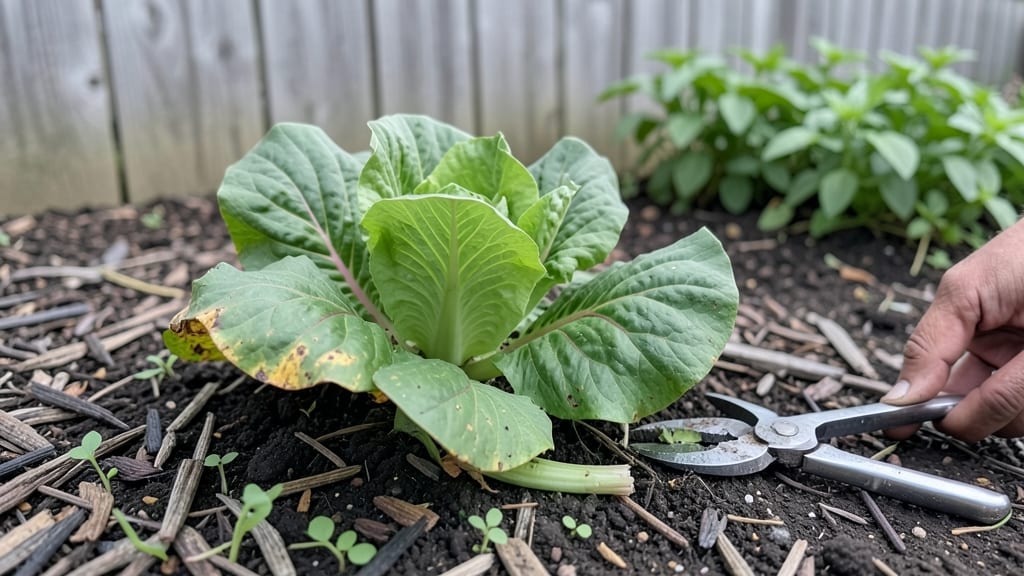
Trimming lettuce plants isn’t just about harvesting—it’s the secret to keeping them lush and productive for weeks longer than you’d expect. I’ve watched my bolted lettuce make a full comeback after a single trim, and the difference in flavor and texture is night and day.
The key is cutting at the right time and in the right way, so the plant focuses on growing more leaves instead of flowering.
You only need sharp scissors or clean pruning shears, a sunny spot, and about 10 minutes of your time. Start by harvesting the outer leaves first—they’re bigger and ready to eat, while the inner leaves stay tender.
Avoid cutting more than one-third of the plant at once, or you’ll shock the roots and slow regrowth. The best time to trim is early morning when leaves are crisp, not wilted from afternoon heat.
After your first trim, you’ll notice new growth within 3-5 days, and with proper care, you can keep harvesting for 6-8 weeks from a single planting. The leaves will stay crisp, sweet, and vibrant green, not bitter or tough.
This method works for all lettuce types—romaine, butterhead, and loose-leaf—so you can keep the harvest going even when summer heat would normally send them to seed.
Fair warning: over-trimming or cutting too close to the base will set your lettuce back. But when you get the rhythm right, you’ll have fresh greens on your table without replanting—and that’s a game-changer for any home garden. Here’s exactly how to do it without a single wasted leaf.
📚 In This Guide
- What you need
- Instructions
- Tips and common mistakes
- Wrapping up and next steps
What you need
- ● Sharp pruning shears or scissors – Choose bypass pruners (for clean cuts) or small garden scissors (for precision). Size: 4-6 inch blades for easy handling.
- ● Clean, sharp knife or razor blade – For trimming individual leaves. Tip: Disinfect with rubbing alcohol before use!
- ○ Gloves (optional but recommended) – Protect your hands from thorns (like in romaine) or dirt. Type: Lightweight gardening gloves with good grip.
- ● Bucket or bowl – To collect trimmed leaves for cooking or composting. Size: At least 1 gallon capacity.
- ● Watering can or hose with a gentle nozzle – For post-trimming hydration. Tip: Use room-temperature water to avoid shocking the plant.
- ● Compost bin or bag – For wilted or damaged leaves (unless you’re using them for pest control tea!).
- ● Pruning spray (70% isopropyl alcohol) – Sterilizes tools between cuts to prevent disease.
- ● Plant food or compost tea – A light dose after trimming boosts regrowth. Ratio: 1 tbsp compost per gallon of water.
- ● Labeling tags – If you’re growing multiple varieties, mark plants to track trimming schedules.
- ● Knee pad or small stool – For comfort if your garden bed is large or hard to reach.
Step-by-Step instructions for trimming lettuce plants
Here’s how to keep your lettuce thriving and producing fresh leaves all season long.
Identify the Right Leaves to Trim
Focus on the outer leaves first—they’re fully mature and won’t harm the plant when removed. Look for leaves that are at least 3-4 inches long and have a deep green color. These are ready for harvest, while the smaller inner leaves will continue growing. Avoid cutting into the center of the plant, as this can expose the tender heart and stunt future growth.
If you see any yellowing or wilted leaves, trim those immediately—they’re past their prime and could signal stress or pests. A healthy lettuce plant should have crisp, upright outer leaves with a vibrant color. Once you’ve identified the right leaves, grab a pair of clean, sharp scissors or pruning shears to make precise cuts.
Make Clean Cuts at the Base
Hold the outer leaf firmly and cut it off just above a set of smaller leaves or where it meets the main stem. This ensures the plant keeps its energy focused on regrowth. Angle your cut slightly to prevent water from pooling on the stem, which can lead to rot. A clean cut also looks better and encourages faster healing.
For loose-leaf varieties like buttercrunch or oakleaf, you can harvest multiple outer leaves at once. For head lettuce like romaine or iceberg, trim only the outer leaves to allow the inner head to develop fully. Never remove more than one-third of the plant at a time—this keeps the lettuce productive and prevents bolting, where the plant sends up a flower stalk.
Space Out Harvests for Continuous Growth
After your first harvest, wait 7-10 days before trimming again. This gives the plant time to regenerate new leaves from the center. Check the inner leaves for signs of growth—if they’ve reached 2-3 inches long, it’s time to harvest again. Regular trimming encourages bushier growth and prevents the plant from becoming leggy or bitter.
Water the plant deeply after each harvest to replenish moisture lost during cutting. Keep the soil consistently moist but not soggy—lettuce roots need oxygen to thrive. If your lettuce starts to bolt (sending up a tall flower stalk), it’s a sign it’s stressed from over-harvesting or heat. Shade cloth can help prevent this in hot climates.
Revive Wilted or Stressed Plants
If your lettuce looks wilted or tired, trim back any damaged or yellowed leaves first. This reduces stress on the plant and redirects energy to healthier growth. After trimming, give the plant a light fertilizer (like a diluted fish emulsion) to replenish nutrients. Lettuce is a heavy feeder, so it benefits from occasional feeding, especially in poor soil.
Move the plant to a cooler, shadier spot if it’s wilting from heat stress. Lettuce thrives in 50-65°F temperatures and can bolt quickly if exposed to consistent temperatures above 75°F. Mulch around the base with 1-2 inches of straw to retain moisture and keep roots cool. With proper care, your lettuce will bounce back and keep producing fresh leaves for weeks.
Tips & tricks for perfect lettuce harvesting
A few simple strategies will help you maintain a thriving lettuce plant and enjoy fresh leaves all season.
Leaf Selection Matters: In Step 1, when choosing which leaves to trim, prioritize the largest outer leaves that are at least 3-4 inches long. These mature leaves are ready for harvest and won't harm the plant's growth. The inner leaves are still developing, so leave them alone to continue growing. I've found that harvesting only the most mature leaves encourages the plant to produce more leaves over time rather than sending up a flower stalk prematurely.
Cutting Technique Prevents Stress: During Step 2, when making your cuts, use clean, sharp scissors or pruning shears to avoid damaging the stem. Angle your cut slightly upward to prevent water from pooling on the stem, which can lead to rot. I've seen many gardeners make the mistake of cutting too close to the center or using dull tools, which creates jagged edges that invite disease. A clean cut also helps the plant heal faster and redirect energy to new growth.
Timing is Everything: The 7-10 day interval between harvests in Step 3 is crucial for continuous growth. This gives your lettuce time to recover and produce new leaves from the center. I recommend checking the inner leaves for growth—when they reach about 2-3 inches long, it's time to harvest again. Regular harvesting actually encourages bushier growth, but be careful not to remove more than one-third of the plant at once to prevent stress.
Temperature Management: Lettuce thrives in temperatures between 50-65°F, as mentioned in Step 4. If your lettuce starts to wilt in temperatures consistently above 75°F, move it to a cooler, shadier spot. I've had success using shade cloth during hot afternoons to protect my plants. Mulching with 1-2 inches of straw also helps retain moisture and keep roots cool, which prevents bolting—the plant's way of going to seed when stressed.
Pro Tips for Trim Lettuce Plants
- A few simple strategies will help you maintain a thriving lettuce plant and enjoy fresh leaves all season.
- Leaf Selection Matters: In Step 1, when choosing which leaves to trim, prioritize the largest outer leaves that are at least 3-4 inches long.
- Cutting Technique Prevents Stress: During Step 2, when making your cuts, use clean, sharp scissors or pruning shears to avoid damaging the stem.
Frequently asked questions
Got questions about trimming your lettuce plants? You’re not alone! Here are some of the most common concerns—and their answers—to help you keep your greens thriving.
How often should I trim my lettuce plants?
Trim your lettuce every 1-2 weeks to encourage new growth. For loose-leaf varieties, you can harvest outer leaves as needed. For head lettuce, wait until the plant is mature (about 6-8 weeks) before cutting the entire head. Over-trimming can stress young plants, so balance is key!
Can I use scissors instead of a knife to trim lettuce?
Scissors are a great alternative for precise cuts, especially for delicate lettuce leaves. Just ensure they’re clean and sharp to avoid crushing stems or spreading disease. A small pair of kitchen shears or pruning scissors works perfectly.
What if my lettuce bolts after trimming?
Bolting (sending up a flower stalk) happens when lettuce senses heat or stress. To slow it down, trim in the morning when temps are cooler, keep soil moist, and provide shade during hot days. If it bolts, harvest the leaves quickly—they’ll still taste great!
Should I trim the yellow or wilted leaves first?
Yes! Always remove yellow, brown, or wilted leaves first—they drain energy from the plant. Cut them at the base with clean tools. Healthy green leaves can stay on the plant longer, but trim them back by 1/3 to encourage bushier growth.
Can I regrow lettuce after cutting the whole head?
Only if it’s a loose-leaf variety. Head lettuce (like romaine or iceberg) won’t regrow after cutting the core. For loose-leaf types, trim leaves down to 1-2 inches above the soil, keep the roots moist, and you’ll often get a second harvest in 2-3 weeks!
What if my lettuce keeps getting slimy after trimming?
Slimy leaves often mean overwatering or fungal issues. Let the soil dry slightly between waterings, and avoid wetting the leaves. If sliminess persists, trim affected leaves immediately and space plants further apart for better airflow. A light spray of copper fungicide can also help.
Wrapping up and next steps
Trimming your lettuce plants isn’t just about keeping them tidy—it’s the secret to bountiful, fresh harvests all season long! 🌱 By mastering the art of pruning, you’ll encourage new growth, prevent bolting, and enjoy crisp, flavorful leaves for weeks.
Whether you’re a beginner or a seasoned gardener, these simple steps will transform your wilted patches into a thriving salad garden.
Now that you’re armed with the know-how, roll up your sleeves and get trimming! Start with a small batch, experiment with techniques, and soon you’ll be harvesting like a pro. Happy gardening—and happy munching! 🥗✨