
Planting
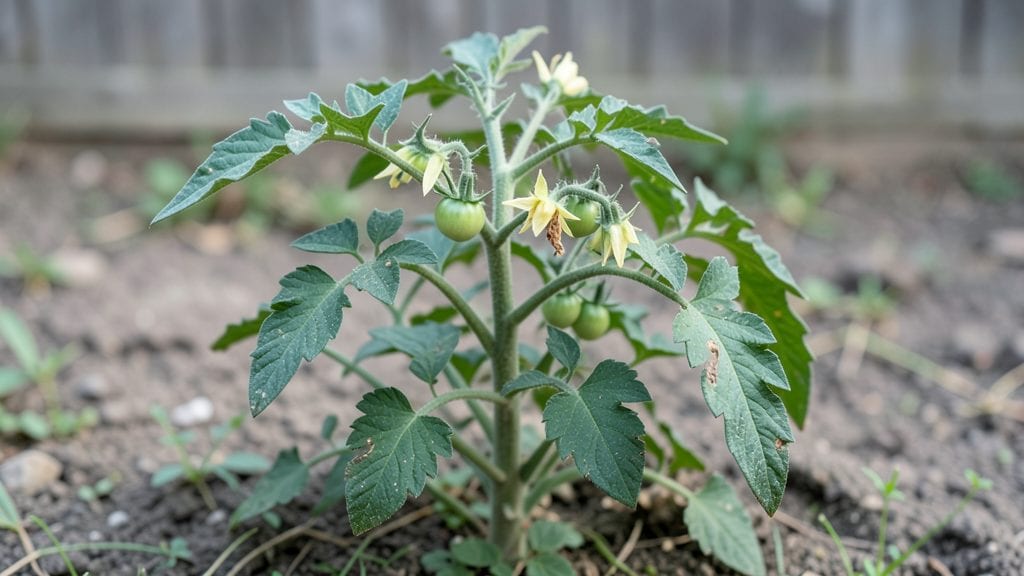
Growing husk tomatoes from seed gives you a plant that thrives where others fail—dry heat, poor soil, even neglect. 🌿 I’ve watched mine produce papery lanterns packed with tangy-sweet fruit through summer’s worst droughts, proving this isn’t just another ornamental.
The key starts with soil: loose, well-draining, and amended with compost so roots breathe easily.
You’ll need 6-8 hours of sun daily, but husk tomatoes handle partial shade better than most tomatoes. Plant seeds ¼ inch deep, spacing them 18-24 inches apart—they spread wider than they grow tall.
Transplants work too, but direct-sown seeds often outperform nursery starts in my experience. Water deeply once a week after establishment; these plants store moisture like pros.
By mid-summer, you’ll harvest lantern-shaped fruits that blanch and peel like a secret treat. The flesh inside tastes like a cross between tomato and pineapple, with a texture somewhere between apricot and peach.
Prune leggy growth in early spring to focus energy on fruit production, and watch for hornworms—they adore these plants too.
Perfect for hot climates, containers, or even as a drought-tolerant border. The real magic? They keep producing until frost, giving you harvests when other tomatoes quit. Here’s how to get started without the guesswork.
📚 In This Guide
- What you need
- Instructions
- Tips and common mistakes
- Wrapping up and next steps
What you need
- ● Husk Tomato Seeds or Seedlings: 5–10 seeds (if starting from scratch) or 2–3 healthy seedlings (for faster growth).
- ● Choose Physalis ixocarpa or Physalis peruviana varieties for best results.
- ● Well-Draining Soil: 1–2 bags of potting mix (sterile, peat-based) or garden soil amended with compost.
- ● Perlite or vermiculite (1 part per 3 parts soil) to improve drainage.
- ● Containers or Garden Bed: 5-gallon pots (1–2 per plant) or a raised bed (6" deep minimum).
- ● Ensure containers have drainage holes to prevent root rot.
- ● Sunlight Access: Full sun (6–8+ hours of direct sunlight daily).
- ● Watering Can or Hose: With a fine spray nozzle for gentle watering.
- ● Fertilizer: Balanced 10-10-10 fertilizer (1 tbsp per plant every 4–6 weeks).
- ○ Compost tea (optional, for organic boost).
- ● Mulch: Straw or shredded leaves to retain moisture.
- ● Trellis or Cage: For taller varieties (e.g., Physalis peruviana).
- ● pH Test Kit: Ideal soil pH: 6.0–7.0.
- ● Insect Netting: To protect flowers from pests like birds or bees (if pollination isn’t desired).
- ● Pruning Shears: For trimming leggy growth.
Step-by-Step guide to growing husk tomatoes for abundant yields
Here’s how to cultivate these drought-tolerant beauties—from seed to fruit—using methods I’ve perfected for reliable harvests.
🌱 Step 1: Select and Prepare Containers for Optimal Root Development
Husk tomatoes thrive in 5-gallon containers with multiple drainage holes—they despise soggy roots. I use fabric grow bags because they prevent root circling and allow excess moisture to evaporate. Fill each container with high-quality potting mix (never garden soil) blended with 20% perlite for aeration. The mix should feel light and crumbly when squeezed—like a damp sponge.
Tap the container gently to settle the soil without compacting it. Press your thumb into the surface: if it springs back slightly, the mix is ready. Avoid pre-fertilized soils; husk tomatoes are sensitive to high salts, and you’ll adjust nutrients as they grow. Add a slow-release fertilizer (like 14-14-14) at planting time, following label rates for containers.
☀️ Step 2: Plant Seeds or Transplants at the Right Time and Depth
Start seeds 6-8 weeks before your last frost date indoors under grow lights (they need 14-16 hours of light daily). Plant 2-3 seeds per container at a depth of ¼ inch, pressing gently but not burying them too deep. Husk tomatoes germinate best at 75-85°F, so use a seedling heat mat if your home runs cooler.
Once seedlings reach 2-3 inches tall, thin to the strongest one per container. If transplanting mature plants, bury them deeper than their original soil line—husk tomatoes develop roots along their stems. Water immediately after planting to settle the soil and eliminate air pockets around roots. You’ll see new growth within 7-10 days if conditions are ideal.
💧 Step 3: Water Deeply but Infrequently to Build Drought Resistance
Husk tomatoes are drought-tolerant, but they need consistent moisture during fruiting. Water deeply every 5-7 days until the top 2 inches of soil feel dry to the touch. Overwatering causes blossom end rot or fungal issues, so always check moisture before watering. I use a moisture meter for accuracy—aim for 40-50% moisture in the root zone.
Mulch with 2-3 inches of organic mulch (like straw) to retain moisture and suppress weeds. Avoid wetting the foliage when watering; use a drip irrigation system or water at the base. You’ll notice darker green leaves and faster fruit set when moisture is balanced. If leaves curl or yellow, you’re either underwatering or overwatering.
✂️ Step 4: Prune and Support for Maximum Fruit Production
Husk tomatoes benefit from light pruning to improve airflow and direct energy to fruit. Remove suckers (the small shoots between the main stem and branches) when they’re 2-3 inches long, using clean pruners. Leave 3-4 main stems per plant for balanced growth. You’ll see thicker stems and more fruit clusters after pruning.
Install sturdy tomato cages (6 feet tall) or bamboo stakes at planting to support the plant as it grows. Tie the main stem to the support with soft plant ties every 12 inches. Husk tomatoes can grow 4-6 feet tall, so secure them before they become top-heavy. Prune any yellow or diseased leaves immediately to prevent spread.
🌿 Step 5: Harvest and Encourage Continuous Blooming
Husk tomatoes ripen in 70-80 days from transplant, but they produce year-round in warm climates. Harvest when the fruit turns deep red and the husk dries slightly—this usually happens in morning hours when temperatures are cooler. Twist gently to avoid damaging the stem. You’ll notice new flowers forming within 2-3 weeks of harvest if the plant is healthy.
After each harvest, apply a balanced liquid fertilizer (like 10-10-10) to encourage more blooms. Deadhead spent flowers to redirect energy to new growth. In cooler months, move containers to a sunny indoor spot or use a grow light to maintain production. With proper care, one plant yields 50-100 fruits per season—enough for fresh eating or drying.
Tips & tricks for perfect husk tomato cultivation
Mastering these drought-resistant beauties takes a few key strategies that'll transform your harvest from modest to magnificent.
Container Selection: Fabric grow bags are my go-to because they prevent root circling and allow excess moisture to evaporate naturally. If using traditional pots, ensure they're 5-gallon minimum with multiple drainage holes—this is non-negotiable for preventing root rot. I've learned the hard way that compacted soil from tapping containers too aggressively can create air pockets that hinder root development. Instead, gently press the soil surface until it feels firm but still springs back slightly when pressed with your thumb.
Light Requirements: The 14-16 hours of daily light is critical for robust growth, especially during the seedling stage. If your home lacks sufficient natural light, invest in quality grow lights positioned 6 inches above seedlings. I've seen seedlings stretch painfully toward weak light sources, resulting in leggy, weak plants. Position lights so they're just above the seedlings' tops—this mimics natural sunlight patterns and encourages even growth.
Pruning Strategy: When removing suckers in Step 4, focus on maintaining 3-4 main stems for balanced growth. I've found that leaving too many stems can dilute the plant's energy, resulting in smaller fruit. Prune suckers when they're only 2-3 inches long—this prevents them from competing with your main stems. Use clean pruners to avoid introducing diseases through open wounds. The key is to prune early and often, directing all the plant's energy toward fruit production rather than foliage.
Harvest Timing: The 70-80 day ripening period is a guideline, but actual timing depends on your climate. In my experience, harvesting in morning hours when temperatures are cooler preserves the fruit's quality. The husk should dry slightly while the fruit remains deep red—this indicates perfect ripeness. I've noticed that harvesting consistently encourages continuous blooming, with new flowers appearing within 2-3 weeks of the previous harvest. This creates a near-endless supply of fruit throughout the growing season.
Pro Tips for Husk Tomato Plant
- Mastering these drought-resistant beauties takes a few key strategies that'll transform your harvest from modest to magnificent.
- Container Selection: Fabric grow bags are my go-to because they prevent root circling and allow excess moisture to evaporate naturally.
- Light Requirements: The 14-16 hours of daily light is critical for robust growth, especially during the seedling stage.
Frequently asked questions
Got questions about growing husk tomato plants? You’re not alone!
Here are some of the most common queries—plus quick, actionable answers to help you cultivate this drought-resistant gem like a pro.
How long does it take for husk tomato plants to bear fruit?
Husk tomatoes typically take 80–100 days from transplanting to produce fruit, depending on your climate and growing conditions. Start seeds indoors 6–8 weeks before your last frost to give them a head start. In warmer regions, you might see early blooms as soon as 60 days! Patience pays off—these beauties reward you with plenty of fruit once established.
Can I grow husk tomatoes in containers, or do they need a garden bed?
Husk tomatoes thrive in containers as long as the pot is at least 12–18 inches deep and has drainage holes. Use a lightweight potting mix (they dislike soggy roots) and place them in a sunny spot. Just ensure the container gets regular watering—they’re drought-tolerant but still need consistent moisture during fruiting. Pro tip: Add a trellis if your container is small to support their bushy growth!
Why aren’t my husk tomatoes producing fruit? Troubleshooting tips!
If your plant is flowering but not fruiting, check these common culprits:
- Not enough sunlight: Husk tomatoes need 6–8+ hours of direct sun daily. Move them to a sunnier spot or supplement with grow lights.
- Overwatering or poor drainage: Soggy roots can stress the plant. Let the top inch of soil dry out between waterings.
- Lack of pollination: These self-pollinating plants may need a gentle shake of the stems to encourage fruit set.
- Nutrient deficiency: Feed with a balanced fertilizer (10-10-10) when blooms appear.
Still no luck? Try pinching off some flowers to redirect energy to existing fruit—or check for pests like aphids that might be sapping strength.
Are husk tomatoes edible raw, or do they need to be cooked?
Yes, they’re 100% edible raw! Their sweet, tangy flavor (like a mix of tomato and citrus) shines in fresh salads, but many gardeners prefer them cooked to intensify their flavor. Try roasting, sautéing, or blending them into salsas. Warning: The husk itself is inedible—peel it off before eating. Fun fact: They’re packed with vitamin C and antioxidants, making them a nutritious (and delicious) addition to meals!
Can husk tomatoes survive winter? How do I overwinter them?
Husk tomatoes are tender perennials—they’ll not survive frost, but you can extend their life (or save seeds!) with these tricks:
- Cut back: Trim the plant to 6 inches tall before the first frost.
- Move indoors: Repot and place in a sunny window or under grow lights. Reduce watering but keep soil slightly moist.
- Dormancy hack: Let the plant rest in a cool, dark place (50–60°F) for 4–6 weeks, then resume care in spring.
For year-round harvests, grow them in containers and bring them inside during winter—just like a houseplant!
Wrapping up and next steps
Growing husk tomato plants is a rewarding journey that brings drought-resistant beauty and year-round harvests to your garden—no matter your skill level! 🌱 With their striking foliage, unique fruits, and low-maintenance nature, these plants are perfect for adding texture, color, and a touch of exotic flair to your outdoor space. Whether you're a seasoned gardener or just starting out, their resilience and adaptability make them an excellent choice for sustainable, low-water landscapes.
Now that you’re armed with the materials, tips, and answers to common questions, it’s time to roll up your sleeves and get planting! Start small—try a few plants in containers or a dedicated garden bed—and watch your husk tomato plants thrive.
Before you know it, you’ll be enjoying their stunning blooms and harvesting their edible (or decorative!) fruits. Happy gardening! 🌿✨