
Diseases
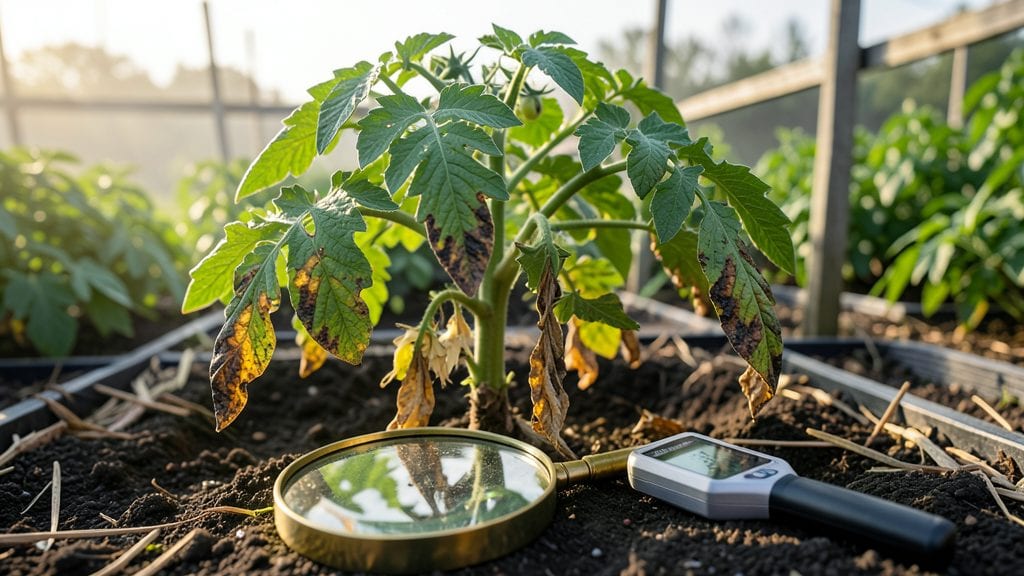
Learning to identify plant diseases early saved my garden—and my first season nearly ended after I ignored the yellow spots on my tomatoes until they turned black. 🌱 The key is knowing what to look for: powdery white coatings, greasy black spots. or leaves that suddenly droop like they’ve given up.
These aren’t just random flaws; they’re clues pointing to fungal foes like powdery mildew, early blight, or rust.
Most diseases start with a single leaf or stem, so grab a magnifying glass and check for fuzzy growths, discoloration, or odd textures. Fungal infections thrive in damp conditions, so overwatering or poor airflow often triggers outbreaks.
The good news? Many can be stopped with proper spacing, pruning, and organic sprays like neem oil or baking soda mixtures.
You’ll learn to distinguish between bacterial spots (water-soaked, often with yellow halos) and viral diseases (mosaic patterns on leaves). Prevention is easier than cleanup—removing infected foliage early and rotating crops keeps your garden healthy. Once you recognize these patterns, you’ll catch problems before they spread.
This guide covers the most common fungal diseases, from roses to vegetables, with clear visual cues and treatment steps. No more guessing what’s wrong—just confident action to keep your plants thriving. Let’s get started with the first signs to watch for.
Root Causes of Plant Diseases
Plant diseases don’t just appear out of nowhere—they’re the result of a perfect storm of environmental, biological, and even human factors. Understanding why these issues arise is the first step to preventing them. Below, we break down the most common culprits and the science behind their damage.
Fungi are the #1 cause of plant diseases, responsible for over 80% of infections. These microscopic organisms thrive in moist, warm conditions and spread via spores—think of them as nature’s invisible seeds of destruction. Common fungal foes include:
- Powdery Mildew: Spreads through airborne spores, forming white, powdery patches on leaves. It loves high humidity and poor air circulation.
- Rust Fungi: Creates rust-colored pustules on leaves, weakening the plant’s ability to photosynthesize. It often attacks stressed plants first.
- Root Rot: Caused by waterlogged soil, where fungi like Phytophthora feast on roots, cutting off nutrient uptake.
Why it happens: Fungi release enzymes that break down plant cell walls, turning healthy tissue into a buffet. Overwatering, dense foliage, and old plant debris create the ideal breeding ground.
Unlike fungi, bacteria multiply rapidly—sometimes within days—and can spread through water, tools, or even insects. They often enter plants via wounds (like pruning cuts) and cause:
- Leaf Spot: Dark, water-soaked lesions that enlarge over time.
- Wilt Diseases: Bacteria clog a plant’s xylem (water transport system), causing sudden drooping.
- Cankers: Sunken, dead patches on stems or branches.
Why it happens: Bacteria thrive in warm, wet conditions and exploit weak spots. Poor sanitation (e.g., reusing contaminated pruners) accelerates outbreaks.
Plant viruses don’t spread on their own—they rely on vectors like aphids, whiteflies, or even human hands. Once inside a plant, they hijack its cells to replicate, leading to:
- Mosaic Patterns: Yellow-green splotches on leaves.
- Stunted Growth: Plants fail to thrive due to disrupted nutrient flow.
- Deformed Leaves/Fruit: Viruses can twist or warp plant structures.
Why it happens: Viruses are not alive but use plant cells like factories. They spread when infected sap touches healthy plants (e.g., through shared tools or sap-sucking insects).
Diseases often exploit stressed plants. Common triggers include:
| Factor | How It Weakens Plants | Diseases It Invites |
|---|---|---|
| Overwatering | Drowns roots, suffocating beneficial microbes. | Root rot, powdery mildew |
| Poor Airflow | Traps moisture, creating fungal hotspots. | Botrytis blight, rust |
| Extreme Heat/Cold | Shocks plant defenses, making them vulnerable. | Bacterial leaf spot, viral infections |
| Nutrient Deficiencies | Weakens cell walls, making them easy targets. | Fungal infections, wilt diseases |
Why it happens: Stress disrupts a plant’s natural immunity. For example, nitrogen-deficient plants can’t produce enough chitinase (a protein that fights fungi), leaving them defenseless.
Even well-meaning gardeners can accidentally invite diseases. Common mistakes:
- Overcrowding Plants: Reduces airflow, trapping moisture and spores.
- Ignoring Dead Leaves/Debris: Fungal spores hibernate in old plant matter.
- Using Contaminated Tools: Pruners or shovels can carry bacteria/viruses between plants.
- Planting Susceptible Varieties: Some species (e.g., tomatoes) are prone to blight without proper care.
Why it happens: Humans create monocultures (large groups of identical plants), which spread diseases faster than diverse gardens. Poor hygiene and lack of rotation also play a role.
💡 Pro Tip: Most diseases thrive in predictable conditions. Monitor humidity, soil moisture, and plant health regularly—early detection is your best defense!
Quick Fixes for Fungal Foes
Fungal diseases can turn your lush garden into a sad, spotty mess—but don’t panic! With the right approach, you can reverse damage, restore health, and keep future outbreaks at bay. Below, we map common fungal causes to practical, step-by-step solutions, plus prevention tips to protect your plants long-term.
Cause: White, powdery patches (like dust) on leaves, often from poor airflow or humidity.
How to Fix It: 🔥 Remove Infected Leaves – Snip off heavily affected foliage (don’t compost it—bag and toss it!). 🍳 Homemade Spray Mix – Combine 1 tbsp baking soda + 1 tsp dish soap + 1 gallon water. Spray every 7–10 days (especially undersides of leaves). 👨🍳 Boost Airflow – Prune overcrowded branches and space plants 6–12 inches apart for better circulation. 🥘 Fungicide Last Resort – If severe, use neem oil or a copper-based fungicide (follow label instructions).
Prevention Tips: ✅ Water at the base (avoid wetting leaves). ✅ Choose resistant varieties (e.g., ‘Bliss’ tomatoes or ‘Liberty’ zucchini). ✅ Mulch properly – Keep mulch 2–3 inches away from stems to reduce humidity.
Cause: Concentric brown spots on lower leaves (often from splashing water or old crop debris).
How to Fix It: 🔪 Prune Aggressively – Remove all infected leaves (including stems) and sterilize pruners with rubbing alcohol. ⏰ Deep Water in Mornings – Water early (before 10 AM) so leaves dry fast. Use drip irrigation if possible. 🌱 Soil Boost – Add compost or aged manure to improve plant vigor (healthy plants fight disease better!). 🎯 Crop Rotation – Never plant tomatoes, peppers, or potatoes in the same spot for 3 years.
Prevention Tips: 💡 Stake plants to keep leaves off wet soil. 🔥 Solarize soil (cover with clear plastic for 4–6 weeks in summer) to kill fungal spores.
Cause: Yellowing leaves, mushy stems, or plants that fall over easily (from overwatering or poor drainage).
How to Fix It: 💦 Stop Watering Immediately – Let soil dry completely between waterings (stick your finger in—if the top 2 inches are damp, wait!). 🏗️ Improve Drainage – Amend soil with perlite, sand, or coconut coir. Raise containers if needed. 🧼 Disinfect Pots – Scrub pots with 10% bleach solution (1 part bleach to 9 parts water) before replanting. 🌡️ Repot Healthy Roots – If roots are salvageable, trim black/mushy roots, dust with cinnamon or fungicide powder, and replant in fresh, sterile soil.
Prevention Tips: ✨ Use pots with drainage holes (no exceptions!). ✨ Water only when soil is dry – Group plants with similar needs together.
Cause: Orange, pustule-like spots on leaves (spreads via spores in wind/rain).
How to Fix It: 🚫 Isolate Infected Plants – Move them 10+ feet away from healthy plants to prevent spore spread. 🧹 Clean Up Debris – Remove all fallen leaves and sterilize tools after pruning. 🛡️ Copper Fungicide Spray – Apply every 7–10 days (follow label rates). Neem oil can also help. 🌿 Remove Severely Infected Leaves – If >50% of leaves are rusty, prune them out.
Prevention Tips: 🎯 Avoid overhead watering – Use a soaker hose instead. 💡 Plant resistant varieties (e.g., ‘Centennial’ pumpkins for squash rust).
No matter the disease, these universal tactics will strengthen your plants’ armor:
- Prevent Splash – Use mulch rings around plants to block soil splash.
- Sanitize Tools – Wipe pruners with rubbing alcohol between cuts.
- Rotate Crops – Switch plant families every season to starve fungal buildup.
Pro Tip: 🔥 Early action is key! The moment you spot signs, act—fungi spread fast. A little elbow grease now saves hours of heartache later. Your garden’s future self will thank you!
Frequently asked questions
How can I tell if my plant has a fungal infection vs. a bacterial one?
Fungal diseases often show up as powdery coatings (like mildew) or spots with fuzzy edges. Bacterial infections usually appear as water-soaked lesions that turn yellow or brown with oily edges. Check leaf undersides too—fungi love hiding there in moist conditions.
Can I use household items to treat plant diseases?
For fungal issues, mix 1 tbsp baking soda + 1 tsp dish soap + 1 gallon water and spray leaves. For bacterial spots, try a 10% hydrogen peroxide solution (3% food-grade H₂O₂ diluted with water). Always test on a small area first. These work best for early-stage problems.
Why do some plants get diseases while others in the same garden stay healthy?
Healthy plants resist diseases better. Factors like nutrient balance, proper spacing, and strong airflow create natural defenses. Overcrowded or stressed plants (from drought or poor soil) become easy targets. Rotate crops and remove debris to level the playing field.
Is it safe to compost leaves with fungal diseases?
No—composting infected leaves spreads spores. Instead, double-bag them and toss in the trash. Fungal spores can survive composting and reinfect your garden. For severe cases, sterilize tools and containers with bleach solution (1:9 ratio) before reuse.
How often should I inspect my plants for early signs of disease?
Check plants weekly during growing season, focusing on new growth and leaf undersides. After rain or high humidity, inspect daily—fungi spread fastest in damp conditions. Early detection saves your plants! A 5-minute scan can prevent a full-blown outbreak.