
Planting
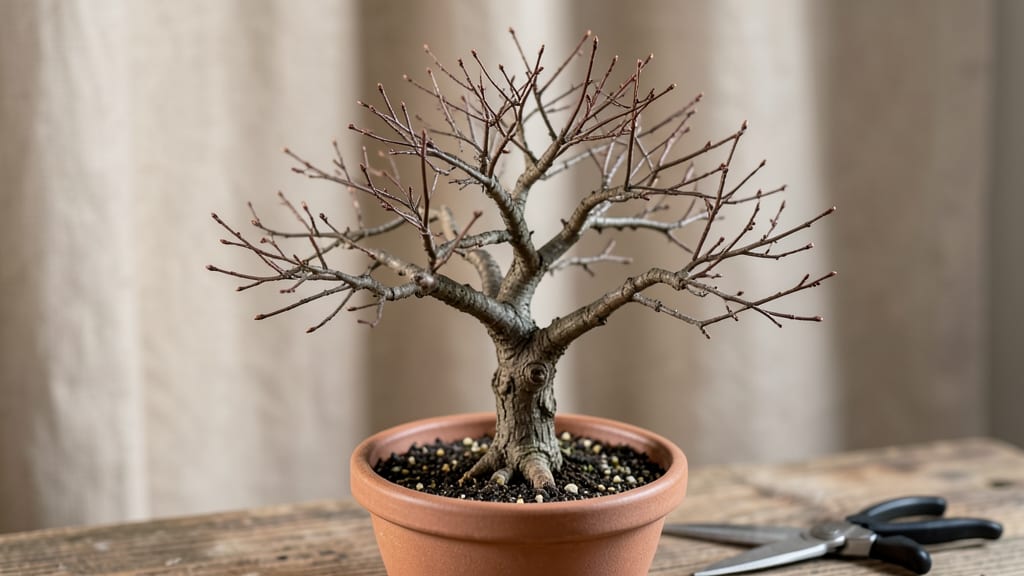
Growing an indoor maple plant like Acer palmatum transforms any room into a living piece of art. 🌿 These plants thrive with the right light—bright, indirect sunlight that mimics their forest home.
I’ve learned the hard way that too much direct sun scorches their delicate leaves, while too little leaves them stretching awkwardly toward the window.
The key to keeping them lush lies in three simple habits: watering when the top inch of soil feels dry, misting leaves weekly to boost humidity, and rotating the pot every few weeks for even growth.
My own maple’s leaves stayed vibrant all winter after I adjusted these basics—no fancy equipment needed, just attention to detail.
With the right care, your indoor maple will reward you with glossy, palm-shaped leaves in shades of green, red, or purple. Prune leggy stems in spring to encourage bushier growth, and fertilize lightly during active growth months. The result? A plant that feels like a tiny, leafy masterpiece year-round.
Perfect for small spaces, offices, or sunrooms, these maples adapt well to indoor life—just avoid drafts and sudden temperature swings. Here’s how to keep yours thriving without the guesswork.
📚 In This Guide
- What you need
- Instructions
- Tips and common mistakes
- Wrapping up and next steps
What you need
- ● Indoor Maple Plant (Acer species): 1 mature plant (3–6 inches tall) or 3–5 young cuttings (4–6 inches long) for propagation.
- ● Recommended varieties: Japanese Maple (Acer palmatum), Snakebark Maple (Acer capillipes), or Dwarf Maple (Acer buergerianum).
- ● Well-draining potting mix: 1 bag (5–10 gallons) of chalky, acidic soil (pH 5.0–6.5). Mix with 30% perlite or orchid bark for aeration.
- ○ Optional: Add 1 cup of worm castings for nutrients.
- ● Pot with drainage holes: 1 container (10–12 inches in diameter) with 4+ drainage holes for mature plants.
- ● For cuttings: 4–6 small pots (4-inch diameter) with drainage.
- ● Pruning shears: Sharp, sterilized shears for trimming (or a clean knife in a pinch!).
- ● Spray bottle: 8–16 oz for misting leaves (maples love humidity!).
- ○ Grow lights (optional but helpful): 1 LED grow light (full-spectrum, 1000–2000 lumens) for 12–14 hours/day if natural light is limited.
- ● Humidity tray or pebble tray: To maintain 50–70% humidity (especially in dry climates).
- ● Fertilizer (balanced or acidic): 1 bottle of 10-10-10 or 20-20-20 liquid fertilizer (diluted to half-strength).
- ● Pro tip: Use iron chelate if leaves turn yellow (a classic maple deficiency!). 💡
- ● Location: A spot with bright, indirect light (e.g., east or north-facing window). Avoid harsh afternoon sun!
- ● Temperature: Keep between 60–75°F (maples are not frost-hardy indoors!).
- ● Patience: Maple plants grow slowly—expect 6–12 inches of growth per year.
- ● Watering routine: Ready to check soil moisture weekly (or daily in summer).
Step-by-Step instructions for growing an indoor maple plant
Here’s how to coax vibrant, healthy growth from your new indoor maple—no green thumb required.
🪴 Step 1: Choose the Right Pot and Soil Mix
Pick a container with drainage holes—maple roots despise soggy conditions. I use a 6-8 inch ceramic pot for my plants because it wicks away excess moisture while keeping roots cool. Fill it with well-draining potting mix (avoid garden soil—it compacts and suffocates roots). For extra airflow, I blend in a handful of perlite or orchid bark into the mix.
Press the soil down gently until it’s firm but not packed. The surface should look slightly rough—this helps water spread evenly. Tap the pot lightly on the table to settle the mix without compacting it too much. This step prevents water from pooling at the bottom and keeps roots happy.
☀️ Step 2: Position for Bright, Indirect Light
Maple plants need bright, indirect light to thrive—think east-facing windows or 6-8 feet from a south-facing window. Direct sun scorches those delicate leaves, so if your plant starts yellowing near the glass, move it back a few feet. I’ve found that grow lights (12-14 hours daily) work wonders in low-light spaces—just keep them 12-18 inches above the plant.
Rotate the pot a quarter turn weekly so the plant grows evenly. You’ll notice leaves leaning toward the light? That’s your cue to adjust the position. Avoid drafts—maples hate sudden temperature swings, so keep them away from AC vents or heaters.
💧 Step 3: Water When the Top Inch Feels Dry
Water deeply until it drains from the bottom, but never let the plant sit in saucers of water. I check moisture by sticking my finger 1 inch into the soil—if it’s dry, it’s time to water. Overwatering is the #1 killer of indoor maples, so let the topsoil dry out between waterings. Yellowing leaves? Usually a sign of overwatering or poor drainage.
Mist the leaves occasionally to boost humidity, especially in dry winter air. I use a spray bottle in the morning so the foliage has time to dry before nightfall. This mimics their natural tropical habitat without drowning the roots.
✂️ Step 4: Prune and Fertilize for Fullness
Pinch back leggy growth in early spring to encourage bushier foliage. Use clean, sharp scissors to trim just above a leaf node—this redirects energy to new branches. I fertilize every 4-6 weeks in spring and summer with a balanced liquid fertilizer (10-10-10), but cut back in fall and winter when growth slows.
Wipe the leaves with a damp cloth monthly to remove dust—this helps them absorb light better. If you notice brown tips, it’s often a sign of low humidity or fluoride buildup from tap water. Switch to distilled or rainwater if this happens.
🌿 Step 5: Watch for Pests and Adjust Care
Inspect the undersides of leaves weekly for spider mites or mealybugs. I treat infestations with a neem oil spray (mixed per package instructions) and repeat every 5 days until pests vanish. Isolate new plants for a week to prevent hitchhiking pests.
If your maple drops leaves suddenly, check for root rot (mushy stems) or underwatering (crispy edges). Adjust your watering routine based on what you find. With consistent care, your indoor maple will reward you with year-round lushness—no outdoor seasons required!
Tips & tricks for perfect indoor maple plant care
A few simple tricks will help you keep your indoor maple thriving year-round without the guesswork.
Soil Mix Matters: In Step 1, don't skip adding perlite or orchid bark to your potting mix—this creates that perfect airy texture maple roots crave. I've seen roots struggle in dense mixes, leading to yellowing leaves. If you're using a pre-mixed bag, blend in about 20% perlite by volume to improve drainage. This prevents the #1 killer of indoor maples: soggy roots.
Light Rotation Secret: That quarter-turn weekly rotation in Step 2 isn't just about looks—it prevents your plant from growing lopsided toward the light source. I've noticed my maples develop uneven growth when I forget this step. Set a reminder on your phone for every Sunday morning to keep them growing symmetrically.
Watering Wisdom: When checking soil moisture in Step 3, go beyond just the top inch—gently squeeze a handful of soil from 2 inches down. If it feels dry, water thoroughly. I've caught overwatering mistakes by doing this test, which saves my plants from root rot. Remember, maples prefer slightly dry conditions over soggy soil.
Fertilizer Timing: The 4-6 week schedule in Step 4 works perfectly for spring and summer, but here's the thing: in winter, your maple's growth slows dramatically. Cut back to fertilizing every 8-12 weeks during cooler months. Too much fertilizer in winter can actually burn delicate roots when the plant isn't actively growing.
Pro Tips for Indoor Maple Plant
- A few simple tricks will help you keep your indoor maple thriving year-round without the guesswork.
- Soil Mix Matters: In Step 1, don't skip adding perlite or orchid bark to your potting mix—this creates that perfect airy texture maple roots crave.
- Light Rotation Secret: That quarter-turn weekly rotation in Step 2 isn't just about looks—it prevents your plant from growing lopsided toward the light source.
Frequently asked questions
Got questions about keeping your indoor maple plant thriving? Here are some of the most common ones—plus quick answers to keep those stunning leaves lush and vibrant!
How much sunlight does an indoor maple plant really need?
Indoor maple plants (like Japanese maple or Norway maple varieties) thrive in bright, indirect light. Aim for 4–6 hours daily—near an east- or north-facing window is ideal. Too much direct sun can scorch leaves, while too little causes leggy growth. A grow light works in low-light spots!
Why are my maple plant’s leaves turning yellow or brown?
Yellowing leaves often mean overwatering or poor drainage, while brown edges signal low humidity or underwatering. Check soil moisture (top inch should dry out), and mist leaves or use a pebble tray to boost humidity. Dusty leaves can also block light—wipe them gently with a damp cloth!
How fast do indoor maple plants grow, and when will they mature?
Growth speed depends on care, but most indoor maples grow 6–12 inches per year. Smaller varieties (like dwarf Japanese maples) mature in 3–5 years, while larger types may take a decade. Patience pays off—slow growth means stronger roots and foliage!
Can I grow an indoor maple plant from a cutting?
Yes! Take a 4–6 inch cutting in spring/summer, dip the end in rooting hormone, and plant in moist perlite or sand. Keep humidity high (use a plastic bag) and place in bright, indirect light. Roots form in 4–8 weeks. Just be patient—maple cuttings are slower to root than some plants.
What’s the best alternative if my space is too dark for a maple plant?
Try low-light lovers like ZZ plants, snake plants, or cast iron plants. For maple-like foliage, Chinese evergreen or peperomia varieties are great substitutes. If you’re set on a maple, opt for a dwarf variety and supplement with a grow light!
Are indoor maple plants toxic to pets?
Yes, all parts of maple plants are toxic to cats and dogs if ingested, causing vomiting or irritation. Keep them out of reach or choose pet-safe alternatives like spider plants or Boston ferns. When in doubt, consult your vet!
Wrapping up and next steps
Growing an indoor maple plant is a rewarding journey that brings vibrant color and life to your space—no matter the season! By mastering the right sunlight balance, soil care, and humidity tricks, you’ll enjoy lush foliage that thrives year-round. 🌿✨
Ready to take the next step? Start by monitoring your plant’s light needs weekly and adjust its spot as the seasons shift. With patience and these simple secrets, your maple will flourish into a stunning centerpiece—one leaf at a time!