
Plants
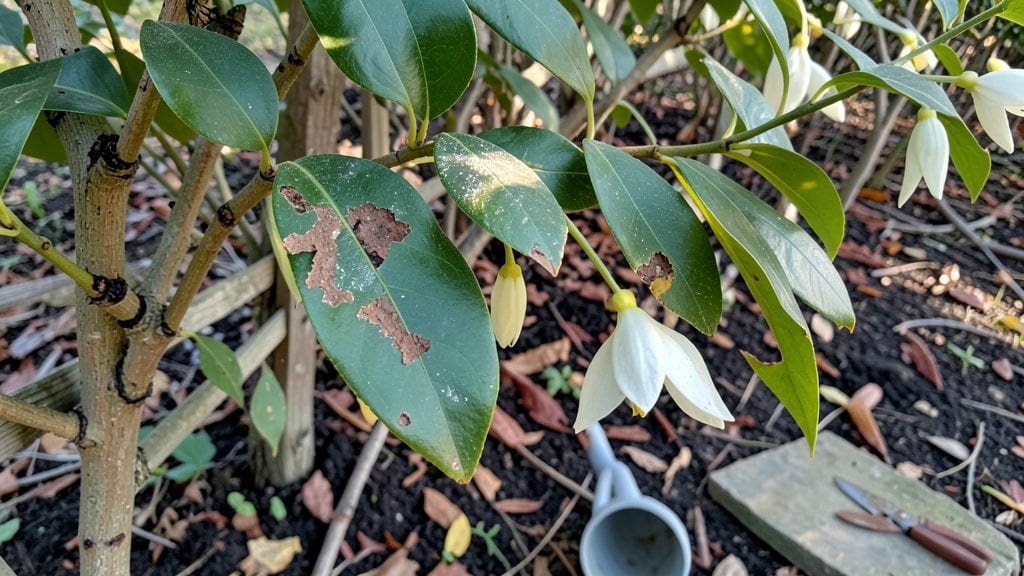
Jasmine plant fungus can turn your fragrant climber into a sad, spotted mess if you don’t catch it early. 🌿 I’ve seen powdery mildew turn lush green leaves into dusty white webs, and root rot silently strangle plants from below—both are common but preventable with the right know-how.
The key is spotting the signs fast: white powder, dark spots, or wilting despite good watering.
Most fungal issues start with too much moisture or poor airflow—jasmine varieties like star jasmine and Arabian jasmine are especially prone when crowded or overwatered. My first mistake was ignoring yellowing leaves until the roots smelled like rot.
Now I check soil moisture with my finger and space plants to let air circulate. A simple copper fungicide spray keeps powdery mildew at bay.
You’ll save your jasmine by pruning infected leaves immediately and switching to morning watering to dry foliage by night. Healthy plants resist fungus better, so feed with balanced fertilizer in spring and avoid overhead watering.
Within weeks, you’ll see fresh growth pushing out, and those sweet blooms will return—stronger than ever.
This works for both potted and in-ground jasmine, though container plants dry out faster. For stubborn cases, neem oil or baking soda spray (1 teaspoon per quart of water) gives a natural boost. The goal? Keep your jasmine thriving so fungus never gets a foothold again.
Root Causes Of Plant Fungus
Fungal infections in jasmine plants—like powdery mildew, root rot, or leaf spot—don’t happen by chance. They thrive when specific conditions align, often tied to environmental stress, poor care, or weak plant defenses.
Understanding these triggers is the first step to prevention. Below, we break down the key reasons why fungi target your jasmine and how they exploit its vulnerabilities.
Fungi love stagnant air. When jasmine plants grow too close together—or when their leaves brush against each other—they create a perfect humid microclimate for spores to land and spread.
- Why it happens: Fungal spores (like those causing Botrytis or Erysiphe species) need moisture to germinate. Dense foliage traps humidity, keeping leaves damp long after watering. - Actionable insight: Prune regularly to open up the canopy and ensure air circulates.
Space plants at least 12–18 inches apart in gardens or pots. If growing indoors, avoid clustering plants in corners or near walls.
Jasmine plants are tropical but hate soggy conditions. Overwatering, poor drainage, or watering at the wrong time turns their leaves into fungal buffets.
- Why it happens:
- Root rot (Phytophthora or Pythium) thrives when roots sit in waterlogged soil for days.
- Leaf spots (Alternaria or Septoria) spread when water droplets linger on leaves, creating entry points for spores.
- Actionable insight:
- Water only when the top 1–2 inches of soil are dry (stick your finger in to check!).
- Avoid overhead watering—use drip irrigation or water at the base early in the day so leaves dry quickly.
- Ensure pots have drainage holes and use well-draining soil mixes (add perlite or sand if needed).
Fungi are opportunistic—they strike when conditions are just right. Jasmine plants in the wrong climate zone or stressed by sudden weather shifts become prime targets.
- Why it happens: - High humidity (70%+) without airflow = fungal paradise.
Powdery mildew (Erysiphe) thrives in these conditions. - Cool nights + warm days (common in spring/fall) create condensation on leaves, mimicking a greenhouse for spores. - Stress from heatwaves weakens the plant’s cuticle, making it easier for pathogens to penetrate. - Actionable insight: - Monitor humidity—aim for 40–60% in indoor settings.
Use a dehumidifier or fan if needed. - Avoid nighttime watering in humid climates (water evaporates slower, keeping leaves wet). - Mulch properly to regulate soil temperature—organic mulch keeps roots cool in summer and insulated in winter.
Fungal spores are everywhere—on old pots, garden tools, or reused soil. Even a single infected leaf can reintroduce pathogens to your healthy plants.
- Why it happens:
- Reusing infested soil or compost without sterilizing it spreads Fusarium or Rhizoctonia.
- Dirty pruners can transfer spores from dead leaves to healthy stems.
- Infected plant debris left in the garden acts as a spore reservoir.
- Actionable insight:
- Sterilize tools between uses with 70% isopropyl alcohol or a 10% bleach solution.
- Replace old soil every 1–2 years or bake it at 200°F (93°C) for 30 minutes to kill spores.
- Remove and destroy infected leaves immediately—do not compost them unless you’ve confirmed they’re spore-free.
Stressed jasmines are like open doors for fungi. Nutrient deficiencies, pests, or physical damage make them far more susceptible to infections.
- Why it happens:
- Nitrogen deficiency (yellowing leaves) weakens cell walls, making them easier to breach.
- Pest damage (e.g., spider mites or aphids) creates wounds where fungi like Colletotrichum can enter.
- Transplant shock or sudden temperature drops disrupt the plant’s natural defenses.
- Actionable insight:
- Fertilize regularly with a balanced 10-10-10 or 20-20-20 formula to support overall health.
- Treat pests early—neem oil or insecticidal soap can prevent secondary fungal infections.
- Acclimate plants gradually before moving them outdoors (harden off slowly to avoid shock).
Quick Fixes for Fungal Woes
Fungal infections in jasmine plants can feel like a losing battle, but with the right approach, you can revive your greenery and keep it thriving. Below, we’ve mapped out practical solutions for the most common fungal issues—from powdery mildew to root rot—along with prevention tips to stop future outbreaks.
Let’s tackle this step by step!
Cause: High humidity, poor airflow, or overcrowded plants create the perfect breeding ground for this fungal menace.
How to Fix It:
- 💦 Prune for Better Airflow
- Trim back dense foliage to improve circulation. Aim for 10-15% of the plant’s growth to open it up.
- Remove severely infected leaves (sterilize your pruners with rubbing alcohol between cuts).
- 🧼 Apply Fungicidal Sprays
- Neem oil solution (1 tsp neem oil + 1 tsp mild soap + 1 quart water): Spray every 7–10 days until the mildew disappears.
- Baking soda spray (1 tsp baking soda + 1 quart water + a few drops of dish soap): Test on a small leaf first—some plants are sensitive!
- ☀️ Boost Sunlight & Reduce Moisture
- Move your jasmine to a sunnier spot (6+ hours of direct light daily).
- Water only at the base in the morning to let leaves dry quickly.
💡 Prevention Tip:
- Space plants 12+ inches apart to prevent humidity buildup.
- Avoid overhead watering—use a drip irrigation system or watering can with a narrow spout.
Cause: Overwatering, poor drainage, or soggy soil suffocates roots, leading to fungal decay.
How to Fix It:
- ⏰ Check the Soil First
- Stick your finger 2 inches deep—if it’s damp, wait to water. Jasmine prefers soil that’s dry to the touch between waterings.
- 🪴 Repot in Fresh, Draining Soil
- Remove the plant and trim mushy, black roots with sterilized scissors.
- Repot in a well-draining mix (50% potting soil, 30% perlite, 20% sand or orchid bark).
- Choose a container with drainage holes—no exceptions!
- 🌡️ Adjust Watering Habits
- Water only when the top 1–2 inches of soil are dry (every 7–10 days in summer, less in winter).
- Never let it sit in saucers of water—empty excess within 30 minutes.
💡 Prevention Tip:
- Add a layer of gravel at the bottom of the pot for extra drainage.
- Use a moisture meter to avoid guesswork—jasmine hates soggy feet!
Cause: Fungal spores thrive in wet foliage, especially in humid climates or after rain.
How to Fix It:
- 🧹 Clean Up Infected Leaves
- Wipe leaves with a damp cloth to remove spores (use 1 part water + 1 part rubbing alcohol for stubborn spots).
- Remove and destroy heavily spotted leaves (don’t compost them—bag and trash them).
- 🍄 Use Copper Fungicide
- Spray with a copper-based fungicide (like Bonide Copper Fungicide) every 2 weeks until new growth is spot-free.
- DIY option: Mix 1 tsp hydrogen peroxide (3%) + 1 quart water—spray in the morning.
- 🌬️ Improve Ventilation
- Place a small fan nearby (on low) to reduce humidity around the plant.
- Avoid placing jasmine near other plants that trap moisture (like ferns).
💡 Prevention Tip:
- Water early in the day so leaves dry before nightfall.
- Space plants 18+ inches apart to prevent fungal cross-contamination.
Cause: Moisture trapped at the stem-soil junction (often from mulch piled too high).
How to Fix It:
- 🔪 Trim the Damage
- Cut off rotted stem sections (down to healthy green tissue) with sterilized pruners.
- Dip the cuts in cinnamon powder or activated charcoal to prevent further infection.
- 🌱 Repot with Sterile Soil
- Use fresh, sterile potting mix (or bake old soil at 200°F for 30 minutes to kill fungi).
- Lower the mulch line—keep it 1–2 inches below the stem.
- 🚫 Avoid Overwatering
- Let the soil dry out completely between waterings.
- Bottom-water occasionally: Place the pot in a tray of water for 10 minutes, then drain.
💡 Prevention Tip:
- Use a fungicide drench (like Mycorrhizal fungi) at planting to boost root health.
- Avoid wet mulch—opt for gravel or decorative rocks instead.
| Problem | Quick Fix | Long-Term Solution |
|---|---|---|
| Slow recovery | Fertilize with balanced 10-10-10 | Test soil pH (ideal: 6.0–7.0) |
| Yellowing leaves | Check for overwatering or pests | Move to bright, indirect light |
| Stunted growth | Prune 1/3 of new growth | Rotate pot quarter-turn weekly |
Final Pro Tip: 🔥 Quarantine new plants for 2 weeks before introducing them to your jasmine collection to prevent fungal hitchhikers!
With these targeted fixes, your jasmine will bounce back stronger—and you’ll be the fungus-fighting hero of your garden! 🌟
Frequently asked questions
What are the first signs of fungal infection in my jasmine plant?
Watch for white powdery patches (powdery mildew), dark brown spots with yellow halos (leaf spot), or wilting despite moist soil (root rot). Check the undersides of leaves first—fungi often start there before spreading. If you see fuzzy growth or leaves curling, act fast with pruning and fungicide.
Can I save my jasmine if the roots are already rotting?
Yes, but you’ll need to act immediately. Trim away all mushy, black roots with sterilized scissors, then repot in fresh, well-draining soil with perlite or sand. Reduce watering to every 10–14 days and avoid saucers—let excess water drain completely. Recovery takes 4–6 weeks if the crown (base of the plant) is still healthy.
Are some jasmine varieties more prone to fungus than others?
Yes! Arabian jasmine and star jasmine are more susceptible due to their dense foliage, while jasmine sambac (pink jasmine) handles humidity better. If you live in a humid climate, choose trailing varieties like Jasminum officinale, which have better airflow. Always space plants 12–18 inches apart to reduce risk.
How often should I spray fungicide on my jasmine?
Preventive sprays (like neem oil or copper fungicide) should be applied every 2–4 weeks during growing season (spring–fall). If treating an active infection, spray weekly for 3–4 weeks until symptoms disappear. Always spray in the early morning so leaves dry quickly—wet foliage overnight worsens fungal spread.
Will fungicide harm my jasmine’s flowers or scent?
No, properly diluted fungicides (like neem oil or baking soda spray) are safe for blooms and fragrance. Just avoid overspraying flowers directly—focus on leaves and stems. Copper-based fungicides may leave a faint metallic taste, but it won’t affect the plant’s aroma. Always follow label instructions for concentration to ensure safety.