
Aphids
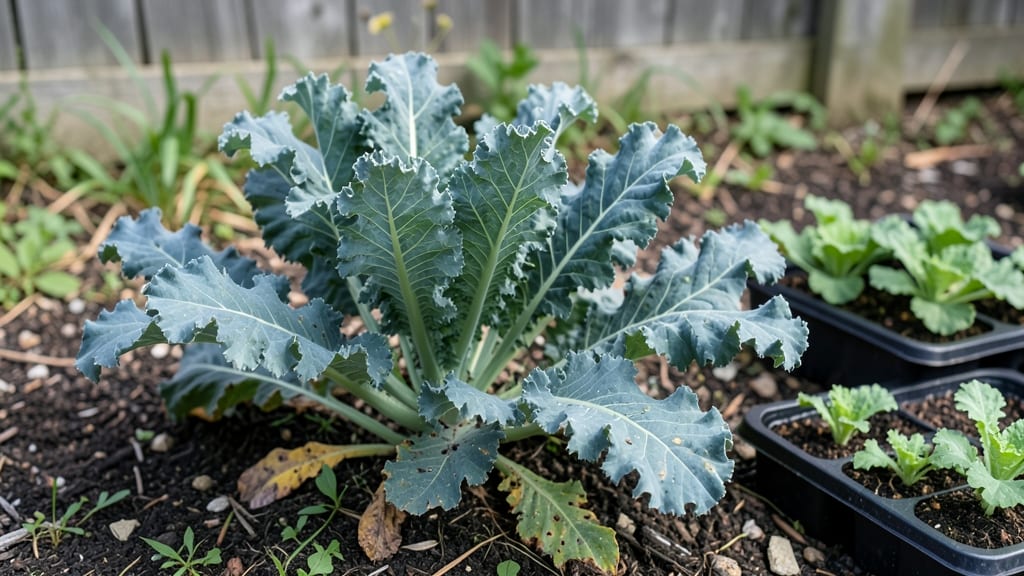
Planting kale in summer isn’t as risky as you think—especially when you use these three pest-resistant tricks to keep your plants thriving. 🌿 I’ve grown summer kale in zones 5 through 8, and the key is timing, shade, and smart pest control.
Most gardeners assume kale bolts in heat, but with the right approach, you’ll harvest crisp, sweet leaves well into fall.
The secret starts with partial shade—kale handles 4-6 hours of morning sun but wilts under midday heat. Amend your soil with compost before planting, and space seedlings 12-18 inches apart to improve airflow.
In warmer zones, opt for heat-tolerant varieties like ‘Winterbor’ or ‘Red Russian’—they stay productive when others bolt.
You’ll notice bolting-resistant growth if you keep soil consistently moist (but not soggy) and mulch heavily. Aphids are the main summer pest, but neem oil sprays and companion planting with nasturtiums keep them away. By late summer, your plants will reward you with bold, flavorful leaves—far better than store-bought.
This method works in containers or in-ground beds, and even urban gardeners with limited space can grow a 6-inch pot of kale on a sunny patio.
The only real challenge? Staying consistent with water and shade adjustments. Once you master it, summer kale becomes the easiest crop in your garden.
📚 In This Guide
- What you need
- Instructions
- Tips and common mistakes
- Wrapping up and next steps
What you need
- ● Kale Seeds or Seedlings: 3–5 pest-resistant varieties (e.g., 'Winterbor,' 'Lacinato,' or 'Red Russian'—check seed packets for aphid resistance!)
- ● Quantity: 10–20 seeds per variety (or 3–5 seedlings if starting with transplants).
- ● Soil: 1–2 cubic yards of well-draining, nutrient-rich soil (pH 6.0–7.0). Mix in 2–3 inches of compost or aged manure for extra fertility.
- ● Growing Space: Container: 5-gallon pots (minimum) with drainage holes, or
- ● Garden bed: 12–18 inches of space between plants (kale loves room to stretch!).
- ● Tools: Hand trowel or transplanting spade
- ● Garden gloves (to protect from prickly stems!)
- ● Watering can or hose with a gentle spray nozzle (avoid blasting seeds).
- ● Pest Control: Neem oil spray (1 tsp per quart of water) for preventative aphid treatment.
- ● Row covers or floating mesh to deter pests while allowing sunlight.
- ● Fertilizer: Balanced organic fertilizer (e.g., 5-5-5) or fish emulsion for a mid-season boost.
- ● Mulch: Straw or shredded leaves to retain moisture and suppress weeds.
Step-by-step instructions for summer kale planting
Here's the foolproof method I use to grow hardy, pest-resistant kale in summer's heat.
🌱 Step 1: Choose the Right Varieties and Prepare Soil
For summer planting, select heat-tolerant varieties like 'Vates', 'Winterbor', or 'Red Russian'—these handle warmer temperatures better than standard types. Kale thrives in rich, well-draining soil with a pH between 6.0 and 7.0. Before planting, mix the 5 gallons of compost into the top 6 inches of soil to improve fertility and moisture retention.
Work the compost into the soil until it's dark and crumbly, breaking up any clumps. This ensures roots can spread easily and access nutrients. If your soil feels heavy or compacted, add 1 gallon of perlite per 4 square feet to improve drainage. Kale hates soggy roots, so this step prevents rot and keeps plants healthy.
🌿 Step 2: Plant Seedlings at the Right Depth and Spacing
Plant seedlings 12-18 inches apart in rows 24 inches apart to allow airflow and prevent disease. Dig a hole slightly wider than the root ball but no deeper—kale roots should sit at the same level as they were in the nursery pot. Gently remove the seedling from its container and place it in the hole, pressing soil firmly around the base to eliminate air pockets.
Water deeply right after planting to settle the soil and encourage root contact. You’ll know it’s right when the soil surface looks slightly damp but not muddy. Mulch around each plant with 1 inch of straw to retain moisture and suppress weeds. Avoid piling mulch against stems—keep it 2 inches away to prevent rot.
☀️ Step 3: Provide Shade and Water Strategically
Summer sun can stress kale, so provide 30-50% shade during the hottest hours (11 AM–3 PM) using shade cloth or partial dappled shade from nearby trees. If using shade cloth, secure it 2-3 feet above plants to allow airflow. Kale needs 1-2 inches of water per week, but in summer heat, check soil moisture daily—water when the top 1 inch feels dry.
Water deeply in the morning to reduce evaporation and fungal risks. Avoid wetting leaves, as this encourages mildew. Instead, water at the base using a soaker hose or drip irrigation. You’ll notice healthier growth when leaves stay crisp and upright rather than wilting or yellowing.
✂️ Step 4: Fertilize and Prune for Continuous Harvest
Feed plants with ½ cup of organic fertilizer (like fish emulsion or compost tea) every 4-6 weeks to maintain vigor. Apply fertilizer to the soil, not the leaves, and water immediately afterward to prevent burn. Kale grows best with steady nutrients, so don’t skip this step—you’ll see stronger stems and glossier leaves.
Harvest outer leaves when they reach 6-8 inches to encourage regrowth. Use clean scissors to cut leaves at a 45-degree angle, leaving the center growth point intact. This method ensures a continuous harvest and prevents bolting. If you notice yellowing lower leaves, remove them promptly—they’re just sacrificing nutrients to the newer growth.
🪴 Step 5: Monitor for Pests and Take Preventative Action
Check plants weekly for cabbage worms, aphids, or flea beetles. If you spot holes in leaves or sticky residue, act fast. Spray with neem oil (mixed as directed) or introduce beneficial insects like ladybugs to control pests naturally. Avoid chemical sprays—they can harm beneficial insects and leave residues on edible leaves.
For extra protection, wrap the lower 6 inches of stems with floating row covers if pests persist. Kale is tough, but summer stress makes it vulnerable. You’ll know your prevention worked when plants stay lush and pest-free, ready for a steady harvest all season long.
Tips & tricks for perfect summer kale planting
These three game-changing tricks will help you cultivate kale that thrives in summer's heat while keeping pests at bay.
Soil Preparation Secret: Before mixing in the 5 gallons of compost, test your soil's pH using a simple kit. Aim for that 6.0-7.0 sweet spot—kale won't tolerate acidic soil. I've found that adding a handful of wood ash to each planting hole can help raise pH slightly if needed. The crumbly texture you create when working the compost into the top 6 inches is crucial—it mimics the loose, airy conditions kale roots love.
Shade Strategy: When setting up your 30-50% shade during peak hours, position shade cloth on the west side of plants first. That's where the most intense afternoon sun hits, and it's often overlooked. I use a lightweight mesh that lets air circulate while still blocking 40% of sunlight. Remember to remove it by late afternoon to allow photosynthesis for evening growth. The 2-3 feet height recommendation isn't just about airflow—it also prevents the cloth from touching leaves, which can trap moisture and encourage mildew.
Watering Technique: The key to summer watering isn't just the 1-2 inches per week guideline—it's when you water. I've learned that morning watering between 6-8 AM prevents evaporation and gives roots time to absorb moisture before the heat peaks. For the top 1 inch dry test, I use a screwdriver to check soil moisture—it's more reliable than sticking your finger in. When you see water beading on leaves after irrigation, that's your sign to stop—it means the soil surface is saturated enough.
Pest Prevention: Don't wait for pests to appear before acting. I start my preventative routine by mixing 1 tablespoon of neem oil with 1 quart of water and spraying it on leaves every 10 days as a deterrent. The floating row covers on the lower 6 inches of stems create a physical barrier that's more effective than you'd think—it blocks cabbage worms from laying eggs while still allowing light and air through. I've found that combining this with releasing 5 ladybugs per plant weekly creates a natural ecosystem that keeps pests in check without chemicals.
Pro Tips for Kale Summer Planting
- These three game-changing tricks will help you cultivate kale that thrives in summer's heat while keeping pests at bay.
- Soil Preparation Secret: Before mixing in the 5 gallons of compost, test your soil's pH using a simple kit.
- Shade Strategy: When setting up your 30-50% shade during peak hours, position shade cloth on the west side of plants first.
Frequently asked questions
Got questions about planting kale in summer? You’re not alone!
Here are some of the most common concerns—and straightforward answers—to help you grow a thriving, pest-resistant kale harvest.
Can kale survive the summer heat?
Kale thrives in cooler weather, but with the right tricks, it can handle summer heat! Plant in partial shade (especially in hot climates) and keep soil moist. Choose heat-tolerant varieties like Winterbor or Red Russian, and harvest leaves as needed to prevent stress. Mulch with straw to retain moisture and protect roots.
What’s the best time to plant kale for a summer harvest?
For a summer harvest, start seeds indoors 6–8 weeks before the last frost (early spring) or direct-sow in late summer (8–10 weeks before your first frost). If you’re in a warm climate, opt for a fall planting (late summer) to avoid extreme heat. Succession planting every 2–3 weeks ensures a steady supply!
How do I protect kale from pests like aphids in summer?
Aphids love kale, but you can outsmart them! Use neem oil or insecticidal soap as a preventative spray. Introduce beneficial insects like ladybugs or lacewings, and plant marigolds or nasturtiums nearby as natural repellents. For heavy infestations, remove affected leaves immediately and isolate plants.
What can I plant alongside kale to improve summer growth?
Kale benefits from companion planting! Try these pairings:
- Herbs: Dill, mint, or thyme deter pests.
- Flowers: Marigolds, nasturtiums, or calendula boost pollinators.
- Vegetables: Beets, onions, or celery improve soil health.
Why is my kale turning yellow or bitter in summer?
Yellow leaves often signal overheating, nutrient deficiency, or bolting. Ensure plants get at least 6 hours of shade in peak sun. Water deeply at the base (not leaves) to prevent stress. For bitterness, harvest leaves younger (before they mature) or choose heat-resistant varieties. Amend soil with compost before planting for better nutrition.
Wrapping up and next steps
Planting kale in summer can be a rewarding experience—especially when you arm yourself with pest-resistant tricks like choosing the right varieties, companion planting, and natural deterrents. With a little preparation, you’ll enjoy a bountiful, aphid-free harvest that keeps your garden thriving all season long!
Ready to get growing? Start by picking your seeds and sketching out your summer planting plan—your future meals (and happy plants!) will thank you. 🌱