
Propagation
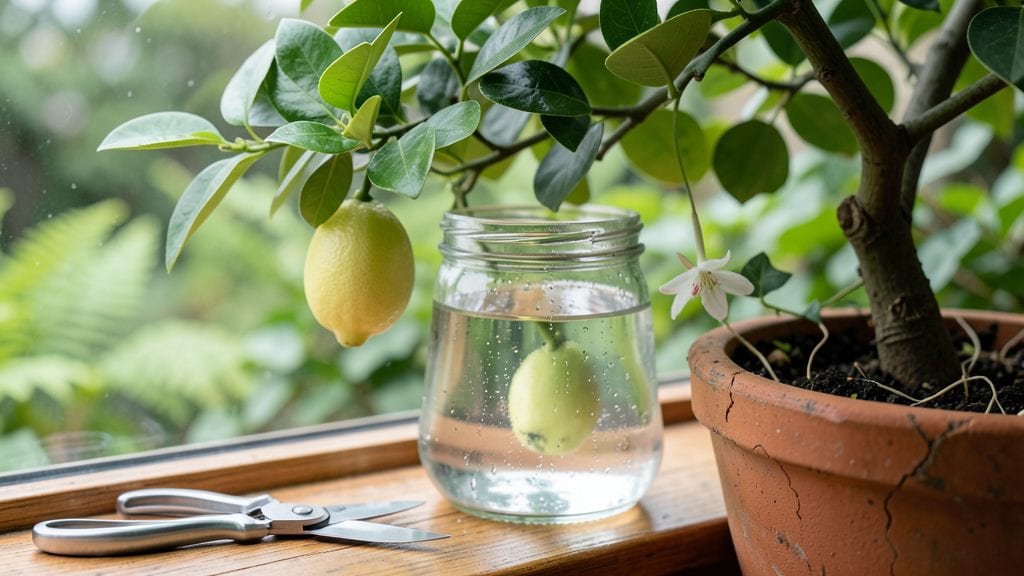
My lemon plant propagation secret starts with a sharp pair of scissors and a sunny windowsill. ✨ The right stem cuttings can give you a new citrus tree in just a few months—no fancy equipment or green thumb required.
I’ve rooted dozens this way, and the key is timing: spring or early summer when the plant is actively growing.
You’ll need a healthy lemon plant (preferably a mature branch), rooting hormone (optional but helpful), a small pot, and well-draining soil mix. The best cuttings are 4-6 inches long, taken just below a leaf node where roots naturally form.
Dip the cut end in rooting hormone, then place it in moist soil—keep it warm and humid until roots appear in about 4-6 weeks.
The payoff? A thriving lemon tree that produces fruit in just 2-3 years, all from a simple cutting. You’ll smell that fresh citrus scent long before the first bloom, and the satisfaction of growing your own citrus from scratch is unmatched. Ready to start your own?
This method works for Meyer lemons, Eureka, and even dwarf varieties—just adjust the container size. The biggest mistake? Overwatering or letting the soil dry out. Stick with me, and you’ll have a new tree before you know it!
📚 In This Guide
- What you need
- Instructions
- Tips and common mistakes
- Wrapping up and next steps
What you need
- ● Healthy lemon plant: Choose a mature stem (4–6 inches long) with at least 2–3 leaf nodes. Pro tip: Pick stems from non-flowering branches for best results! 🌿
- ● Sharp pruning shears or scissors: Sterilized to prevent disease (rubbing alcohol works great!).
- ○ Rooting hormone (optional but recommended): A powder or gel to boost root growth (e.g., Rootone).
- ● Well-draining potting mix: A blend of perlite, vermiculite, or sand (1:1 ratio with peat or coco coir).
- ● Small pots or propagation trays: 3–4 inches in diameter with drainage holes.
- ● Clear plastic bag or humidity dome: To retain moisture (e.g., a ziplock bag with holes or a propagator lid).
- ● Spray bottle: For misting cuttings lightly.
- ○ Watering can or spray bottle: For bottom-watering (optional but helpful).
- ● Heat mat: Keeps soil warm (70–75°F) to speed up rooting.
- ● Fertilizer (low-dose): A diluted citrus-friendly fertilizer (e.g., Fish emulsion) after roots form.
- ● Grow lights: If propagating indoors with low light.
- ● Label markers: To track propagation dates and varieties.
Step-by-Step instructions for propagating lemon plants from stem cuttings
Here's how to grow new lemon trees from existing plants—no fancy tools needed.
🌱 Step 1: Select and Prepare Healthy Stem Cuttings
Choose a mature stem from your lemon plant—look for 4-6 inch sections with 3-4 leaves and no flowers or fruit. Use clean, sharp scissors to cut just below a leaf node (that little bump where leaves grow). This ensures roots will form easily. I always take cuttings in spring or early summer when the plant is actively growing.
Remove the lower leaves, leaving only 2-3 at the top. This reduces moisture loss while roots develop. Dip the cut end in rooting hormone powder (if you have it)—it speeds up root growth by about 30%. If you don’t, no worries, but expect it to take a few extra weeks.
💧 Step 2: Plant Cuttings in Moistened Growing Medium
Fill a small pot with the moistened perlite and peat moss mix (about 2 inches deep). Perlite keeps the mix airy so roots don’t rot. Gently poke a hole with your finger, then insert the cutting 1-2 inches deep. The bottom leaves should just skim the surface—this keeps them above water while roots grow below.
Water lightly until moisture seeps from the bottom of the pot. Too much water drowns cuttings; too little and they dry out. You’ll know it’s right when the mix feels damp like a wrung-out sponge. Place the pot in a bright, indirect light spot—no direct sun yet.
☀️ Step 3: Create Humidity and Monitor Growth
Cover the pot with a clear plastic bag to trap humidity. Tie it loosely so air can circulate. Check daily for condensation—if it’s dripping, remove the bag for a few hours to prevent mold. In 4-6 weeks, tiny roots will form. You’ll see new growth at the top and feel slight resistance when you gently tug the cutting.
Once roots appear, remove the plastic. Gradually move the pot to morning sun for a few hours daily, then full sun after 2 more weeks. This hardens the plant so it’s ready for life on its own. I’ve found that patience here prevents shock when transplanting later.
🪴 Step 4: Transplant to Permanent Containers
After 8-10 weeks, when roots fill the pot, transplant to a 6-inch container with potting mix. Lemon plants need room to grow—crowding stresses them. Water thoroughly after planting, then let the top inch of soil dry before watering again. Overwatering now kills new roots faster than underwatering.
Keep the young lemon plant in bright, indirect light for another month. You’ll know it’s thriving when new leaves appear and the stem feels sturdy when touched. At this stage, fertilize lightly with balanced 10-10-10 to encourage leafy growth. Just a pinch in the soil every 2 months is plenty.
Tips & tricks for perfect lemon plant propagation
Growing lemon plants from cuttings is easier than you think—these simple tricks will help you avoid common pitfalls and get the best results every time.
Selection is Everything: In Step 1, focus on stems that are 4-6 inches long with 3-4 leaves and no flowers or fruit. I've found that stems from the middle section of the plant—not the very top or bottom—root the fastest. Avoid stems with yellow leaves or spots, as they won't recover well during propagation. The right selection makes all the difference in rooting success.
Rooting Hormone Hack: While rooting hormone powder speeds up growth by about 30%, you don't need it to succeed. If you don't have it, try this trick: crush a single aspirin tablet and mix it with water to make a paste. Dip your cuttings in this solution—it contains salicylic acid, which naturally promotes root growth. This works especially well if your cuttings are taking longer than the usual 4-6 weeks to root.
Humidity Control: During Step 3, the clear plastic bag creates the perfect humid environment, but it's easy to go wrong. Check daily for condensation—if it's dripping, remove the bag for a few hours to prevent mold. I've seen cuttings develop mold in just 24 hours when humidity gets too high. Also, make sure the bag isn't touching the leaves, which can cause rot. A loose tie is key!
Light Transition Strategy: When moving your cuttings to morning sun after 2 weeks, don't rush it. Start with just 1-2 hours of morning sun, then gradually increase. I've seen many beginners overdo it and end up with sunburned leaves. Lemon plants are tropical and need time to adjust—think of it like helping a friend move to a warmer climate slowly.
Pro Tips for Lemon Plant Propagation
- Growing lemon plants from cuttings is easier than you think—these simple tricks will help you avoid common pitfalls and get the best results every time.
- Selection is Everything: In Step 1, focus on stems that are 4-6 inches long with 3-4 leaves and no flowers or fruit.
- Rooting Hormone Hack: While rooting hormone powder speeds up growth by about 30%, you don't need it to succeed.
Frequently asked questions
Got questions about propagating your lemon plant? Here are some of the most common ones—and their answers—to help you grow your citrus family with confidence!
Can I propagate a lemon plant from a store-bought lemon?
Yes, but with caution! Store-bought lemons are often treated with fungicides or wax coatings that may inhibit rooting. Wash the peel thoroughly, remove the wax (if present), and let the stem dry for a day before propagating. For best results, use organic or homegrown lemons.
How long does it take for lemon cuttings to root?
Rooting time varies, but you’ll typically see roots forming in 4–8 weeks if conditions are ideal (warmth, humidity, and consistent moisture). Patience is key—some cuttings may take longer, especially if the environment isn’t perfectly suited. Check periodically without disturbing the soil!
What’s the best time of year to propagate lemon plants?
The ideal window is late spring or early summer when temperatures are warm and days are long, encouraging faster rooting. However, you can propagate year-round indoors with grow lights and a heat mat. Avoid winter if your space is chilly—cold drafts can stunt growth.
Why are my lemon cuttings turning yellow or mushy?
Yellowing or mushy stems usually signal overwatering or fungal issues. Ensure your cuttings are in well-draining soil and only water when the top inch feels dry. Improve airflow by spacing cuttings apart and misting lightly (not soaking). If mold appears, treat with a fungicide or increase ventilation.
Can I propagate lemon plants from seeds instead of cuttings?
While possible, seed-grown lemons are not true to the parent plant—they may produce different varieties or even be sterile. Cuttings guarantee identical genetics. If you’re set on seeds, soak them overnight to speed up germination, but expect slower growth and potential surprises in fruit quality!
Wrapping up and next steps
Propagating a lemon plant from stem cuttings is a rewarding way to grow your own citrus tree—without the fuss! 🌱 Whether you’re a beginner or a seasoned gardener, this method opens the door to year-round lemon harvests with minimal effort.
Now that you know the how, why not take the next step? Start with just one cutting and watch your citrus garden flourish!
💡 Pro Tip: Share your newfound knowledge with fellow plant lovers—who knows? You might inspire them to grow their own lemon tree too!