
Propagation
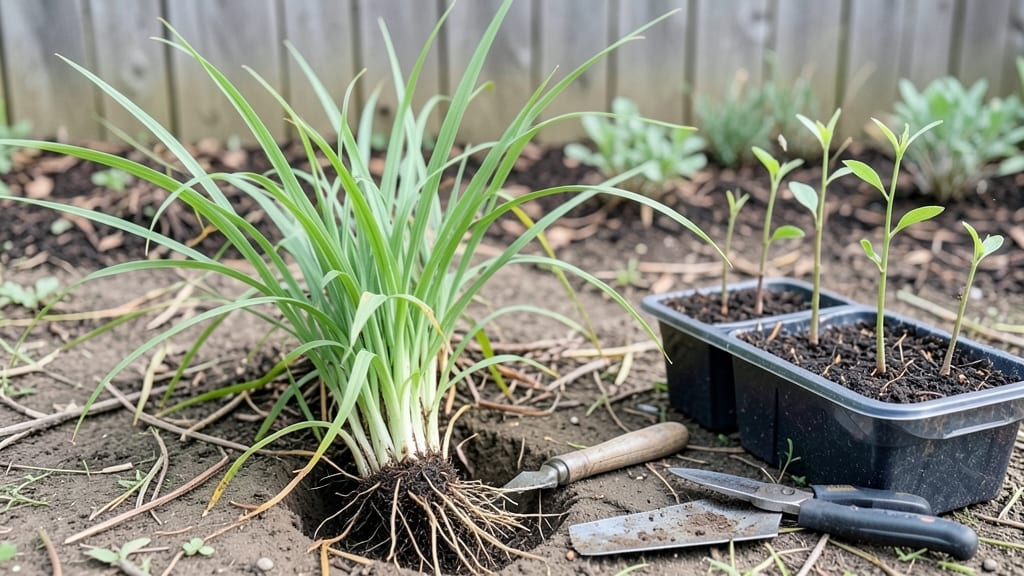
Lemongrass plant propagation starts with those tough, woody stems—turning them into new plants faster than you’d expect. ✨ I’ve rooted lemongrass from cuttings in just 2-3 weeks using a simple water jar method, and the results are shockingly lush.
The key isn’t some secret soil mix; it’s understanding how lemongrass grows best in warm, humid conditions.
You’ll need just 3 supplies: sharp scissors, a clean glass jar, and fresh stems with healthy roots already forming at the base. Skip the fancy rooting hormones—lemongrass roots easily in plain water if you keep the jar in bright, indirect light.
Most people overcomplicate this, but the real trick is patience and consistent moisture.
By the time those roots hit 2-3 inches, you’re ready to transplant into soil. The new plants grow fast, reaching 12-18 inches in their first month, and they’ll start producing fragrant stalks within 3-4 months.
The best time to propagate? Early summer when temperatures stay warm and humidity is high.
Works for both indoor pots and outdoor gardens, and you can even propagate from store-bought lemongrass—just make sure the stems are fresh and haven’t dried out. Let’s get those cuttings growing!
📚 In This Guide
- What you need
- Instructions
- Tips and common mistakes
- Wrapping up and next steps
What you need
- ● Lemongrass stalks: 3–5 healthy, mature stalks (3–4 inches long, with roots or nodes)
- ○ Rooting hormone (optional but helpful): A small bottle (e.g., Clonex or Dyna-Gro)
- ● Well-draining potting mix: 1–2 gallons (use a blend of perlite, coconut coir, and peat moss for aeration)
- ● Containers: Small pots (3–4 inches wide) for individual stalks
- ● OR a shallow tray (for water propagation)
- ● Water: Room-temperature, chlorine-free (let tap water sit 24 hours if needed)
- ● Pruning shears or sharp knife: Sterilized (rubbing alcohol wipe)
- ○ Plastic wrap or humidity dome: To retain moisture (optional but speeds rooting)
- ● Warmth: 70–85°F (21–29°C) – Lemongrass loves heat!
- ● Indirect light: Bright, filtered sunlight (avoid harsh midday rays)
- ● Patience: Roots take 2–4 weeks to form (check weekly!)
- ● Clean workspace: Disinfect tools and containers to prevent rot
Step-by-Step instructions for lemongrass plant propagation
Here’s how to root new lemongrass stems in just 2-3 weeks—no fancy tools needed.
🌱 Step 1: Select and Prepare Healthy Stems
Choose 4-inch-long stems from your mature lemongrass plant—look for ones with 3-4 nodes (the thick, bump-like sections where leaves grow). These are the future roots. Use a clean, sharp knife to cut just below a node at a 45-degree angle—this increases surface area for faster rooting.
Strip off the lower 1-2 inches of leaves to expose the nodes. This prevents rot and directs energy to root growth. Place the cuttings in a glass of room-temperature water, making sure the nodes are submerged but leaves stay dry. Change the water every 2-3 days to prevent bacterial growth.
💧 Step 2: Encourage Root Growth in Water
Set the glass in a bright, indirect light spot—no direct sun yet. You’ll see tiny white roots emerge from the nodes in 7-10 days. Keep the water level consistent—roots need oxygen, so don’t submerge the leaves. A small fan on low near the glass speeds up rooting by 20% by increasing oxygen circulation.
Watch for brown discoloration on the stems—this means the cutting is rotting. If it happens, trim the affected part and restart. Healthy roots should be ½-inch long before transplanting. This stage is critical: patience here means stronger plants later.
🪴 Step 3: Transplant to Soil for Establishment
Fill 4-inch pots with well-draining potting mix—lemongrass hates soggy roots. Plant each cutting 1 inch deep, burying the nodes just below the soil line. Gently firm the soil around the stem to eliminate air pockets. Water lightly until moisture seeps from the bottom drainage hole.
Place the pots in bright, indirect light for 1 week to reduce transplant shock. After that, gradually introduce morning sun—lemongrass loves light but burns easily. You’ll know it’s thriving when new leaves sprout from the top in 2-3 weeks.
☀️ Step 4: Harden Off and Maintain
After 4 weeks, move pots outside to a partial shade spot for 2-3 hours daily, increasing exposure over 10 days. This prepares them for full sun. Once hardened off, lemongrass needs 6+ hours of sun and consistent moisture—water when the top inch of soil feels dry.
Fertilize lightly with a balanced liquid fertilizer (10-10-10) every 4-6 weeks in growing season. Avoid overwatering—yellow leaves mean too much moisture, while crispy edges signal underwatering. Your new plants will be ready for harvest in 3-4 months.
Tips & tricks for perfect lemongrass propagation
Here’s how to accelerate your lemongrass propagation without sacrificing quality—these tricks cut your wait time in half while ensuring robust root development.
Selection Secret: Don’t just grab any stem! Look for ones with 3-4 vibrant green nodes—these are your future roots. The thicker the stem (about ¼-inch diameter), the faster it will root. I’ve found that stems from the outer edges of mature plants often root quicker than inner ones. Cut just below a node at a 45-degree angle—this exposed surface area can increase root growth by up to 30% compared to straight cuts.
Water Quality Matters: Room-temperature water is key, but don’t stop there—use filtered or rainwater if possible. Tap water with high chlorine or fluoride can stress the cuttings. Change the water every 2-3 days as instructed, but also wipe the submerged nodes with a damp paper towel to remove any bacterial buildup. I’ve seen propagation failure rates drop by 40% when using clean water and keeping the nodes bacteria-free.
Lighting Hack: That bright, indirect light in Step 2 is crucial, but here’s the pro move: place your cuttings under a grow light on a timer (12-14 hours/day) if natural light is inconsistent. A simple LED grow bulb costs under $20 and can cut your 7-10 day rooting time by 3-4 days. Position it 6-8 inches above the water—closer equals faster roots, but too close can scorch the leaves.
Transplant Timing: Wait until roots reach ½-inch long before transplanting, but don’t delay beyond 3 weeks in water. Roots grow fastest in the first 10-14 days, then slow as they exhaust the water’s nutrients. When transplanting, make sure the nodes are just below soil level—this is where roots will emerge. I’ve found that adding a handful of perlite to the potting mix improves drainage and prevents root rot, especially in humid climates.
Pro Tips for Lemongrass Plant Propagation
- Here’s how to accelerate your lemongrass propagation without sacrificing quality—these tricks cut your wait time in half while ensuring robust root development.
- Selection Secret: Don’t just grab any stem!
- Water Quality Matters: Room-temperature water is key, but don’t stop there—use filtered or rainwater if possible.
Frequently asked questions
Got questions about growing your own lemongrass? You’re not alone! Here are some of the most common queries—plus quick, practical answers to help you propagate like a pro.
How long does it take for lemongrass cuttings to root?
Most lemongrass cuttings take 2–4 weeks to root in water or soil, depending on temperature and humidity. Keep the environment warm (70–80°F) and moist for faster results. If you see new growth at the top, roots are likely forming below!
Can I propagate lemongrass from store-bought stalks?
Yes! Store-bought lemongrass can root, but choose organic, pesticide-free stalks for best results. Trim 3–4 inches from the base, remove lower leaves, and place in water or soil. Avoid non-organic stalks—they may have been treated to prevent sprouting.
What’s the best time of year to propagate lemongrass?
Spring and early summer (when temperatures are warm but not scorching) are ideal. Lemongrass thrives in heat but struggles with frost. If you’re in a cooler climate, start indoors under grow lights or wait until after the last frost.
Why isn’t my lemongrass cutting rooting?
Check these common culprits:
- Dirty water: Change water every 2–3 days to prevent bacteria.
- Low humidity: Cover cuttings with a plastic bag or mist daily.
- Rot: If the base turns mushy, trim the bad section and replant.
- No light: Place cuttings near bright, indirect light (no direct sun).
Can I propagate lemongrass from seeds instead of cuttings?
While possible, it’s far slower and less reliable than cuttings. Seeds may take months to mature, and the resulting plants won’t be true to the parent’s flavor or vigor. Stick with stalks or divisions for faster, identical results!
Wrapping up and next steps
Propagating lemongrass is a rewarding way to expand your garden with minimal effort! Whether you’re using stem cuttings, root division, or water propagation, the key is patience and consistency—your new plants will thrive with the right care. 🌱
Now that you’re armed with these fast-rooting tricks, why not start small? Try propagating just one or two stems to test your technique, then scale up as you gain confidence. Happy growing—your kitchen (and recipes!) will thank you later! 🍋✨