
Companion Plants
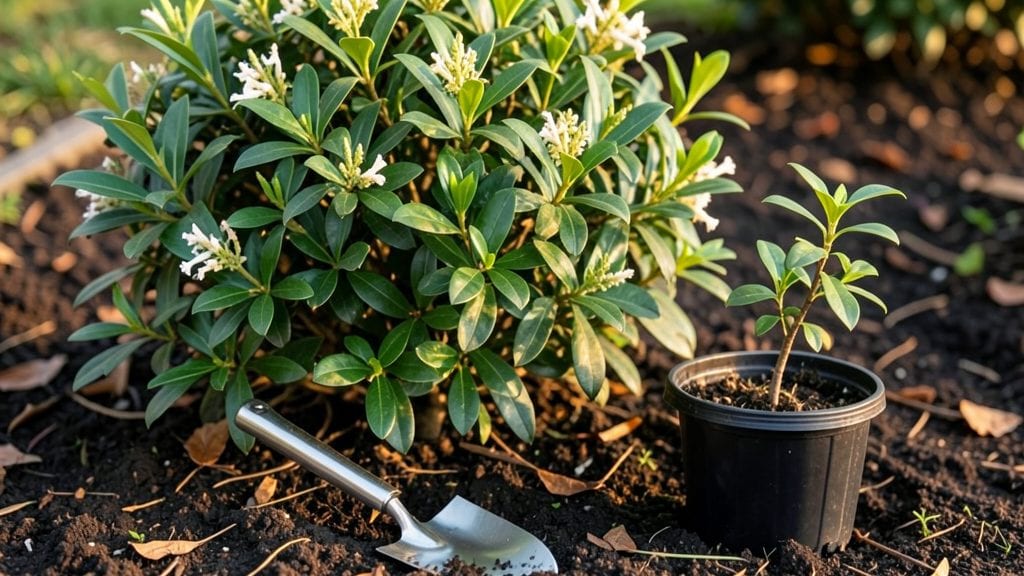
Correct ligustrum planting distance is the foundation of a thriving, lush hedge or specimen shrub 🌿—too close, and you’ll fight disease; too far, and your yard looks sparse.
Struggling to get your ligustrum shrubs to thrive? The secret isn’t just in soil or sunlight—it’s in the planting distance. Get this wrong, and you’ll end up with stunted growth, disease risks, or a yard full of crowded, scraggly bushes.
Whether you’re planting Ligustrum vulgare for a classic English hedge or Ligustrum sinense for a bold, glossy accent, spacing determines airflow, sunlight access, and long-term shape. Too tight, and pests thrive; too wide, and your design looks disjointed.
In this guide, I’ll break down the exact spacing rules by variety, how to adjust for hedges vs. standalone plants, and the simple fixes for common mistakes—so your privet grows bushier, healthier, and faster.
Ideal Ligustrum planting distance by variety and growth habit
When planting ligustrum shrubs, the right spacing distance can make the difference between a lush, healthy hedge and a struggling, disease-prone mess. Ligustrum varieties grow at dramatically different rates, so one-size-fits-all spacing won’t work. For example, Ligustrum vulgare (common privet) spreads aggressively, while Ligustrum sinense stays more compact.
I’ve learned the hard way—overcrowding leads to poor airflow, inviting fungal diseases like powdery mildew, and too much space wastes yard potential.
Proper planting distance also affects how you’ll prune. Tightly spaced shrubs need regular pruning to maintain shape, while wider spacing allows for natural, fuller growth.
In my own garden, I’ve used 3-foot spacing for dwarf varieties and 10-foot spacing for tall specimens, creating a layered look that works beautifully for privacy screens and specimen plantings alike.
Sunlight exposure plays a critical role too. Ligustrum thrives in full sun to partial shade, but spacing changes how much light each plant receives. In full sun areas, you can plant slightly closer—say, 4–5 feet apart—because the plants grow faster and denser. In partial shade, however, I increase spacing to 6–8 feet to prevent competition for limited sunlight.
Here’s the key: mature size determines everything. A 6-foot dwarf ligustrum like ‘Lodense’ needs 3–4 feet of space, while a 15-foot standard like ‘Regent’ should have 10–12 feet to spread without crowding neighbors.
Skipping this step often leads to stunted growth or weak stems that snap in wind or storms.
Let’s break down the ideal planting distances for the most common ligustrum varieties, including their growth habits, sunlight needs, and pruning requirements. This summary table will help you visualize the perfect layout for your garden.
🌿
<summary-table>| Variety | Mature Height | Mature Spread | Ideal Spacing | Sunlight Needs | Pruning Needs |
|---|---|---|---|---|---|
| Ligustrum vulgare (Common Privet) | 10–15 ft | 8–12 ft | 8–10 ft apart | Full sun to partial shade | Moderate (2x/year) |
| Ligustrum sinense (Chinese Privet) | 10–20 ft | 10–15 ft | 10–12 ft apart | Full sun | Light (1x/year) |
| Ligustrum japonicum (Japanese Privet) | 6–10 ft | 6–8 ft | 5–6 ft apart | Partial shade to full sun | Moderate (2x/year) |
| Ligustrum × vicaryi (Vicary’s Privet) | 8–12 ft | 6–10 ft | 6–8 ft apart | Full sun | Light (1x/year) |
| Ligustrum ‘Lodense’ (Dwarf Privet) | 3–6 ft | 3–5 ft | 3–4 ft apart | Full sun to partial shade | Minimal (1x/year) |
| Ligustrum ‘Regent’ (Standard Privet) | 15–25 ft | 10–15 ft | 10–12 ft apart | Full sun | Moderate (2x/year) |
For hedge plantings, I recommend reducing spacing by 20–30% to encourage dense growth. For example, plant Ligustrum vulgare at 6 feet apart instead of 8 feet if you want a thick, impenetrable barrier. Just remember: tighter spacing means more frequent pruning to maintain shape and airflow.
Common Ligustrum spacing mistakes and how to fix them
If your ligustrum shrubs look stunted or yellowing, poor planting distance is often the culprit. Overcrowding or spacing them too far apart can lead to weak stems, pest infestations, and reduced airflow. Even experienced gardeners sometimes miss these subtle clues—until it’s too late.
One of the biggest mistakes is assuming one-size-fits-all spacing. Ligustrum varieties like Ligustrum vulgare (common privet) need 3–6 feet of space, while Ligustrum sinense (Chinese privet) can handle 4–8 feet. Planting them too close forces them to compete for nutrients and sunlight, leading to leggy, sparse growth.
Another red flag? Yellowing leaves or mushy stems at the base. These are classic signs of poor air circulation and fungal diseases like powdery mildew, which thrive in crowded conditions. Even if your soil and watering seem perfect, spacing issues can sabotage your efforts.
⚠️
Overcrowding → Stunted growth, pests, disease
Excessive spacing → Weak stems, gaps in hedges, wasted space
Solution: Measure mature size of your variety before planting. Use a spacing chart for hedges (2–3 feet apart) vs. specimen plants (6–10 feet apart).
Fixing overcrowded ligustrum starts with pruning. Thin out the innermost branches to improve airflow, then replant any removed shrubs in a new location with proper spacing. For weak stems from poor spacing, stake young plants and fertilize lightly with a balanced 10-10-10 mix to encourage stronger growth.
For hedges, adjust spacing based on the desired height. Taller hedges (like Ligustrum japonicum) need 3–4 feet between plants, while shorter varieties can be spaced 2–3 feet apart. Mulch around the base to retain moisture and suppress weeds, which compete for resources.
If you’ve already planted too far apart, consider adding companion plants like boxwood or hydrangeas to fill gaps naturally. Over time, your ligustrum will fill in, but proper spacing now prevents future headaches and ensures a lush, healthy landscape. 🌿