
Companion Plants
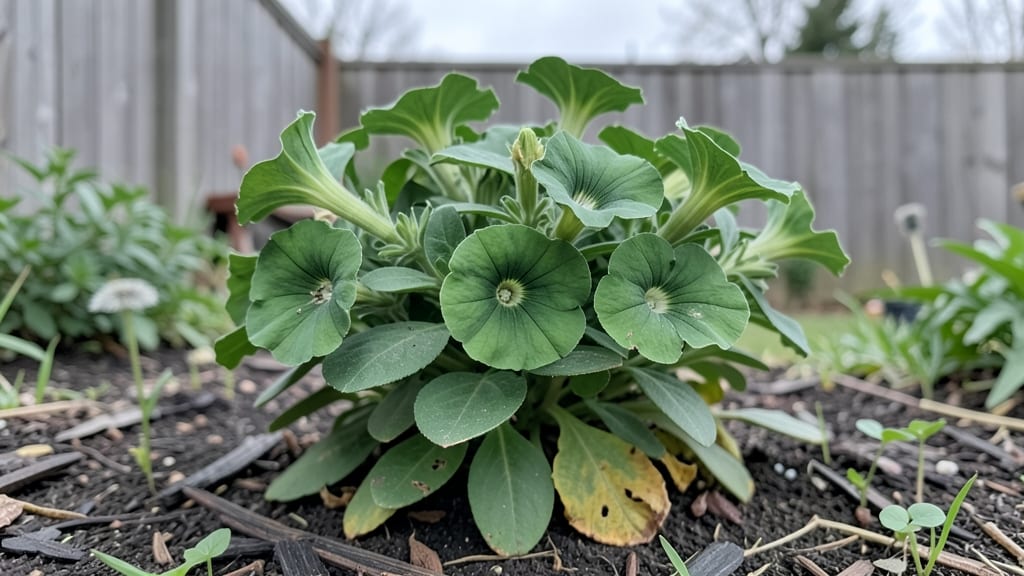
Live petunia plants transform any garden into a nonstop parade of color—drought-tolerant varieties like 'Wave' or 'Supertunia' keep blooming even when summer heats up. 🌿 I learned the hard way that petunias need more than just sunshine and water; they demand the right soil, spacing, and a few care tricks to outlast the heat.
The secret isn’t fancy—it’s about mimicking their natural environment, where they thrive in well-draining soil and partial shade during peak afternoon sun.
Start with a light, airy potting mix mixed with perlite or sand to prevent soggy roots—their number-one killer. Plant them 12-18 inches apart in full sun to partial shade, and water deeply twice a week (more in extreme heat).
The key? Let the top inch of soil dry out between waterings, or you’ll smother those delicate roots. A balanced liquid fertilizer every 2-3 weeks keeps blooms coming, but don’t overdo it—petunias hate rich soil.
By midseason, you’ll have vibrant, bushy plants dripping with flowers, and the best part? They self-clean—dead blooms drop on their own, so no fussing required. Prune leggy stems in early summer to encourage compact growth, and watch them rebound with even more blooms.
These aren’t just pretty faces; they’re low-maintenance powerhouses that outperform most annuals in heat and humidity.
For perennial varieties, mulch heavily in fall and cut back by half before winter—they’ll bounce back stronger in spring. Even in containers, petunias shine, making them perfect for balconies or window boxes.
The payoff? A garden that stays lush and colorful from June until frost, with minimal effort. Let’s get those roots settled right.
Root Causes Of Petunia Struggles
When your vibrant petunias start to wilt or bloom less than expected, it’s often a sign that something fundamental is off. Understanding these root causes—ranging from environmental stress to care oversights—can help you nurse your plants back to health and keep them thriving.
Let’s break down the science behind why petunias sometimes falter.
Petunias despise soggy roots, yet many gardeners unintentionally drown them by overwatering or neglecting proper drainage. Here’s why this happens:
- Waterlogged Soil: Petunias thrive in well-draining soil that mimics their natural habitat in South America, where they grow in sandy, loamy environments.
When soil stays too wet, roots suffocate due to lack of oxygen (a process called anoxia), leading to root rot caused by fungi like Phytophthora or bacteria like Pythium. - Compacted or Clay Soil: Heavy, clay-based soils hold excess moisture and prevent water from draining efficiently.
This creates a hydroponic-like environment where roots can’t breathe, stunting growth and promoting disease. - Overzealous Watering: Petunias prefer consistent moisture but not saturation. Overwatering (especially in containers) can leach essential nutrients like nitrogen and potassium, weakening the plant’s ability to produce vibrant blooms.
Actionable Fix: Amend soil with perlite, coarse sand, or compost to improve aeration. Use pots with drainage holes and water only when the top 1–2 inches of soil feel dry. If your garden soil is heavy, consider raised beds or containers.
While too much water harms petunias, insufficient moisture can be just as damaging, especially in hot climates. Here’s the science:
- Transpiration Overload: Petunias lose water rapidly through their leaves via transpiration, a process where water evaporates through stomata (tiny pores).
In high temperatures (above 85°F/30°C), this loss outpaces absorption, causing wilting—even if the soil isn’t dry. - Root Shrinkage: Prolonged drought forces roots to shrink and die back, reducing the plant’s ability to uptake water and nutrients.
This triggers a stress response, where petunias drop buds or flowers prematurely. - Soil Moisture Imbalance: Petunias have shallow root systems (typically 6–12 inches deep). If the topsoil dries out, the plant can’t access water, leading to physiological drought—even if moisture exists deeper in the soil.
Actionable Fix: Water deeply early in the morning (6–9 AM) to minimize evaporation. Use mulch (straw or shredded bark) to retain soil moisture. For container petunias, check soil moisture daily in extreme heat.
Petunias are heavy feeders, especially during their blooming phase. A lack of key nutrients can stunt growth, reduce flowers, or cause yellowing leaves. Here’s what’s missing and why:
| Symptom | Likely Deficiency | Cause | Solution |
|---|---|---|---|
| Yellow lower leaves | Nitrogen (N) | Soil depletion or poor organic matter; common in fast-growing varieties. | Apply balanced fertilizer (10-10-10) or compost every 4–6 weeks. |
| Purple stems/leaves | Phosphorus (P) | Cool soil temps slow P uptake; often seen in new transplants. | Use a phosphorus-rich fertilizer (5-10-5) or bone meal at planting. |
| Weak stems, small flowers | Potassium (K) | Overwatering leaches K; high temps increase demand. | Feed with potassium sulfate or banana peel tea during flowering. |
| Stunted growth | Magnesium (Mg) | Acidic soil or over-fertilization with synthetic salts. | Apply Epsom salt (1 tbsp/gallon of water) every 2 weeks. |
| Yellow between veins | Iron (Fe) | Alkaline soil (pH >7.0) locks out iron, causing chlorosis. | Lower pH with sulfur or use chelated iron supplements. |
Pro Tip: 💡 Conduct a soil test (kits cost ~$20) to identify pH and nutrient gaps. Petunias prefer slightly acidic to neutral soil (6.0–7.0 pH).
Petunias are susceptible to sap-sucking insects and fungal pathogens, which weaken the plant’s immune system. Here’s how they strike:
- Aphids & Whiteflies: These pests inject toxins while feeding, causing curled leaves, sticky honeydew, and sooty mold (a black fungal growth).
They thrive in warm, humid conditions and spread viruses like cucumber mosaic. - Powdery Mildew: A fungal infection that appears as white, powdery patches on leaves, blocking sunlight and reducing photosynthesis.
It flourishes in shady, humid environments (RH >70%). - Root-Knot Nematodes: Microscopic worms that penetrate roots, forming galls (lumpy growths) that disrupt water and nutrient uptake. Common in reused containers or infested garden soil.
Actionable Fix:
- Pests: Spray with neem oil (1 tsp/gallon of water) or introduce ladybugs (natural predators). For severe infestations, use insecticidal soap.
- Diseases: Improve air circulation by spacing plants 12–18 inches apart. Apply baking soda spray (1 tsp baking soda + 1 quart water + a drop of soap) for powdery mildew.
- Prevention: Rotate crops annually and sterilize pots with a 10% bleach solution to kill nematodes.
Petunias are tender perennials (annuals in cold climates) with specific comfort zones. Straying from these can shock the plant:
- Frost Damage: Temperatures below 32°F (0°C) cause cell membranes to rupture, leading to blackened leaves and death.
Petunias are not cold-hardy (USDA zones 10–11 only). - Heat Scorch: In prolonged heatwaves (above 95°F/35°C), petunias wilting occurs even with adequate water due to stomatal closure (a survival mechanism to conserve water).
This reduces photosynthesis and flower production. - Insufficient Light: Petunias need 6–8 hours of direct sun daily. Shady spots (e.g., under trees) lead to leggy growth (tall, weak stems) and fewer blooms because they rely on sunlight for energy (glucose) production.
Actionable Fix:
- Cold Protection: Move potted petunias indoors or use frost cloth in fall. In gardens, plant after the last frost date.
- Heat Relief: Provide afternoon shade (use shade cloth if temps exceed 90°F/32°C). Group plants together to create a microclimate that retains moisture.
- Light Boost: Place containers in sunniest spots or supplement with grow lights (12–14 hours/day) if indoors.
Revive & Protect Your Petunias
Even the hardiest live petunia plants can face challenges—whether it’s wilting under the sun, struggling with pests, or losing vibrancy. But don’t worry! With the right care, you can nurse them back to health and keep them blooming beautifully.
Below, we’ve mapped out practical fixes for common issues, along with prevention tips to avoid future problems. Let’s get your petunias thriving again! 🌸💧
If your petunias are turning yellow, they might be sunburned or waterlogged.
🔥 Fix It Fast:
- Move them to partial shade (especially in peak afternoon sun) if leaves look crispy or bleached.
- Check soil moisture—petunias prefer consistently moist (not soggy) soil.
Stick your finger 1 inch deep; if dry, water deeply. - Trim damaged leaves with clean scissors to redirect energy to healthy growth.
💡 Prevention Tips:
- Morning sun is best—petunias love light but can scorch in intense afternoon heat.
- Use mulch (like shredded bark) to retain moisture and regulate soil temperature.
- Water at the base (not overhead) to prevent fungal issues from damp foliage.
Tiny invaders like spider mites (white webbing) or aphids (sticky residue) can drain your plants.
👨🍳 Natural Remedies:
- Blast them off with a strong spray of water (early morning works best).
- Neem oil spray (1 tsp neem oil + 1 tsp mild soap + 1 quart water) applied weekly repels pests.
- Introduce beneficial insects like ladybugs or lacewings—they eat aphids naturally!
🎯 Long-Term Defense:
- Inspect new plants before bringing them home (quarantine if needed).
- Encourage companion plants like marigolds or basil—they deter pests.
- Avoid over-fertilizing (too much nitrogen attracts soft-bodied pests).
If your petunias stretch tall and weak, they’re reaching for light or starving for nutrients.
🔪 Quick Turnaround:
- Prune leggy stems back by ⅓ to encourage bushier growth.
- Fertilize lightly with a balanced 10-10-10 or 20-20-20 formula (diluted to half strength).
- Rotate pots (if container-grown) to ensure even light exposure.
🌡️ Prevention Tips:
- Place in a sunnier spot (petunias need 6+ hours of sunlight daily).
- Deadhead regularly—this boosts flowering and prevents energy drain.
- Use slow-release fertilizer at planting time for steady nutrition.
Crispy, brown leaf edges? Your petunias are thirsty or struggling with dry air.
⏰ Hydration Fix:
- Water deeply 2–3 times per week (more in extreme heat).
- Group pots together to create a microclimate with higher humidity.
- Add pebbles to saucers (with water) to increase moisture around roots.
💡 Extra Care:
- Mist leaves lightly in the morning (avoid evening to prevent fungus).
- Choose self-watering containers if you travel often.
- Avoid plastic pots—they dry out faster than terracotta or fabric grow bags.
With these simple fixes, your petunias will bounce back faster than you think! Remember, consistency is key—whether it’s water, light, or love. Now go enjoy those vibrant blooms all season long. 🌿💖
Frequently asked questions
How soon will my new petunia plants start blooming after planting?
Most petunias begin flowering within 4-6 weeks of transplanting, especially if you choose established plants from a nursery. For faster blooms, pinch back leggy stems by ⅓ when planting—they’ll branch out and flower sooner. Varieties like 'Supertunia' or 'Wave' are bred for quick color, often blooming within 3-4 weeks in ideal conditions.
Can I grow petunias in containers, and what’s the best pot size?
Yes! Petunias thrive in containers, but choose pots at least 12 inches wide for single plants or 18 inches for clusters. Use containers with drainage holes and a lightweight potting mix blended with perlite. For trailing varieties (like 'Black Velvet'), hang baskets or tall planters work best—just ensure roots have room to spread.
Why are my petunia leaves turning yellow, but the flowers look fine?
Yellow leaves with healthy flowers usually mean overwatering or nutrient imbalance. Check soil moisture—petunias prefer the top 1 inch dry between waterings. If leaves are yellow and droopy, reduce water. If only lower leaves yellow, it’s often nitrogen deficiency—feed with a balanced fertilizer (10-10-10) every 4-6 weeks.
Do petunias need deadheading, and how often?
No! Petunias are self-cleaning—they naturally drop spent blooms. However, if you want even more flowers, pinch off wilted blooms weekly. This redirects energy to new growth. For trailing types, focus on pruning leggy stems instead. The key is to avoid over-trimming—just remove what’s obviously dead.
Can I overwinter petunias indoors, and how?
Only try this with healthy, pest-free plants! Move them indoors before 50°F (10°C) temps arrive. Place in a bright, cool spot (like a sunroom) with 4-6 hours of light daily. Reduce watering to every 10-14 days and fertilize lightly monthly. In spring, harden them off gradually before replanting outdoors.