
Fertilization
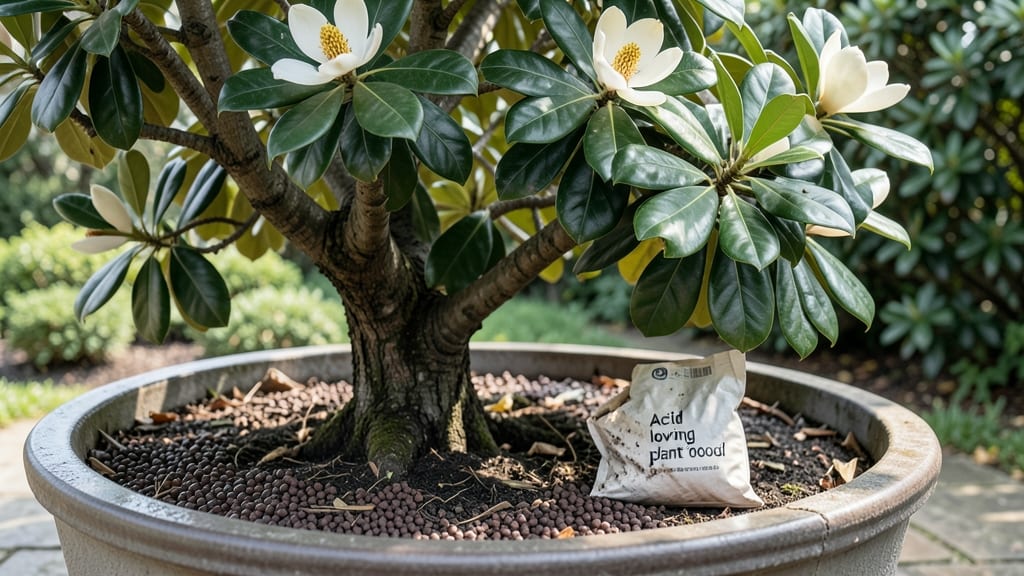
The right magnolia plant food transforms a struggling shrub into a showstopper with bold, fragrant blooms year after year. My first magnolia nearly died from too much synthetic fertilizer—until I switched to a slow-release, acid-loving blend tailored to its needs.
The difference was dramatic: deep green leaves, stronger stems, and blooms that lasted twice as long.
You’ll need three seasonal feeds: a balanced organic fertilizer in early spring, a micronutrient boost after flowering, and a slow-release winter feed to protect roots. Most gardeners overlook the soil’s pH—magnolias demand 5.0–6.0, and off-the-shelf fertilizers often raise it too high.
A simple soil test before feeding saves time and frustration.
By following this schedule, your magnolia will reward you with vibrant pink, white, or purple blooms that perfume the air in spring. The key is patience: slow-release feeds prevent leaf burn and nutrient spikes, while proper soil prep ensures roots absorb what they need.
Skip the guesswork—this method works for both young plants and mature trees.
Works in zones 4–9, whether you’re feeding a Southern magnolia in Georgia or a star magnolia in Oregon. The same principles apply: test, feed lightly, and monitor. Let’s get your magnolia thriving.
📚 In This Guide
- What you need
- Instructions
- Tips and common mistakes
- Wrapping up and next steps
What you need
- ● Slow-release fertilizer base: 1 part organic compost (aged, 2–3 inches deep)
- ● 1 part balanced granular fertilizer (10-10-10 or 12-12-12, 1 lb per 10 sq ft)
- ○ Optional boost: ½ lb fish emulsion (for nitrogen-rich kick)
- ● Seasonal amendments: Spring: ¼ lb bone meal (for phosphorus, 1 cup per plant)
- ● Summer: ½ lb kelp meal (for potassium, 1 tbsp per sq ft)
- ● Fall: 1 lb worm castings (for micronutrients, 1 cup per plant)
- ● Soil conditioners: Peat moss or coconut coir (2–3 gallons per plant)
- ● Perlite or vermiculite (1 cup per 5 sq ft, for aeration)
- ● Garden tools: Garden trowel or spade (for mixing and applying)
- ● Gloves (to protect hands from soil and fertilizers)
- ● Watering can or hose (with gentle spray nozzle)
- ● Prerequisites: Well-draining soil (amend with compost if clay-heavy)
- ● Magnolia planted in a sunny to partially shaded spot
- ● Patience! Slow-release feeds take 3–6 months to fully activate.
Step-by-Step instructions for feeding magnolias seasonally
Here’s how to nourish your magnolia for vibrant blooms year after year—without overfeeding.
Apply Early Spring Fertilizer for Root Revival
Once new shoots emerge in early spring, spread ½ cup of 10-10-10 fertilizer evenly under the canopy. This kickstarts root growth after winter dormancy. Water deeply afterward to activate nutrients in the soil. Avoid fertilizing if buds are already swollen—this can stress the plant and reduce bloom quality.
Use a 12-inch spreader for precision, keeping fertilizer 6 inches away from the trunk to prevent root burn. Magnolias are shallow-rooted, so focus on the outer third of the root zone. If your soil is sandy, mix in 1 cup of compost to retain moisture and nutrients longer.
Mid-Summer Boost for Bloom Development
Around mid-July, switch to a balanced, slow-release fertilizer like 8-8-8 or a magnolia-specific blend. Apply ¼ cup per feeding and water thoroughly. This timing encourages flower bud formation for next year’s blooms. Avoid high-nitrogen feeds now—they promote leafy growth at the expense of flowers.
Work the fertilizer into the top 2 inches of soil with a hand fork. If your magnolia is in a container, reduce the dose by half since roots are confined. Yellowing leaves after feeding? You’re overdoing it—rinse the root zone with water to flush excess salts.
Fall Preparation for Winter Hardiness
In late September, apply a low-nitrogen, high-phosphorus fertilizer like 5-10-5 to strengthen roots before cold weather. Use ⅓ cup per application and water in well. This helps magnolias withstand frost and recover faster in spring. Stop feeding entirely after October 1st to allow the plant to harden off.
Top-dress with 2 inches of organic mulch (like pine bark) to insulate roots and conserve moisture. Keep mulch 3 inches away from the trunk to prevent rot. If your magnolia is in a cold climate, add a 4-inch layer of straw around the base for extra protection.
Annual Soil Amendments for Long-Term Health
Every spring, test your soil’s pH—magnolias thrive in slightly acidic soil (5.5–6.5). If needed, amend with sulfur or peat moss to lower pH. Mix 1 cup of compost into the top 4 inches of soil annually to replenish organic matter. This reduces the need for synthetic fertilizers over time.
For container-grown magnolias, repot every 2–3 years using fresh acidic potting mix. Prune back 10% of the oldest roots during repotting to encourage new growth. If you notice stunted growth despite feeding, your plant may need more phosphorus—switch to a bone meal supplement for a season.
Tips & tricks for feeding magnolias seasonally
Mastering the seasonal feeding schedule for magnolias transforms ordinary plants into showstopping bloomers—here’s how to avoid the common pitfalls that sabotage results.
Timing is Everything: The precise timing of each feeding is critical to avoid stressing your magnolia. In Step 1, only fertilize after you see new shoots emerge—never when buds are already swollen. I’ve seen magnolias drop buds prematurely when fertilized too early, and it’s heartbreaking. For Step 3, mark your calendar for late September and stop feeding entirely after October 1st. This fall shutdown is what helps magnolias harden off properly for winter. The difference between a plant that blooms reliably and one that struggles often comes down to respecting these seasonal cues.
Equipment Precision: Using a 12-inch spreader for Step 1 ensures even distribution of that ½ cup of 10-10-10 fertilizer, but the real secret is keeping it 6 inches from the trunk. I learned this the hard way after seeing root burn on a prized specimen. For container magnolias, halve the fertilizer dose—roots in pots are already confined, and overfeeding leads to salt buildup that can kill the plant. A hand fork comes into play in Step 2 when you work the fertilizer into the top 2 inches of soil; this incorporation is what activates the nutrients where roots can access them.
Soil-Specific Adjustments: Sandy soils demand special attention in Step 1—mixing in 1 cup of compost helps retain moisture and nutrients longer. This isn’t just about adding organic matter; it’s about creating the right environment for those shallow roots to thrive. For container-grown magnolias in Step 4, repotting every 2-3 years with acidic potting mix is non-negotiable. I’ve seen magnolias in regular potting soil become stunted because the pH drifted too high. The 10% root pruning during repotting might seem drastic, but it stimulates fresh growth that’s more vigorous than the old roots.
Troubleshooting Overfeeding: Yellowing leaves after feeding? That’s your plant screaming for help. Rinse the root zone with water immediately to flush out excess salts. In Step 2, if you notice new growth but no flower buds forming, you’re likely overdoing nitrogen. Switch to a phosphorus-heavy fertilizer like bone meal for a season—this is what I do when my magnolias start looking leafy but bare. The key is observing your plant’s response and adjusting accordingly, not just following the schedule blindly.
Pro Tips for Magnolia Plant Food
- Mastering the seasonal feeding schedule for magnolias transforms ordinary plants into showstopping bloomers—here’s how to avoid the common pitfalls that sabotage results.
- Timing is Everything: The precise timing of each feeding is critical to avoid stressing your magnolia.
- Equipment Precision: Using a 12-inch spreader for Step 1 ensures even distribution of that ½ cup of 10-10-10 fertilizer, but the real secret is keeping it 6 inches from the trunk.
Frequently asked questions
Got questions about keeping your magnolia blooming beautifully? Here are some of the most common concerns—and quick answers to help you grow with confidence!
How often should I fertilize my magnolia plant?
Feed your magnolia three times a year for best results: early spring (just as buds form), late spring (after blooming), and early fall (to prep for winter). Over-fertilizing can burn roots, so stick to the seasonal schedule!
Can I use regular plant food instead of magnolia-specific fertilizer?
Yes! A balanced, slow-release fertilizer (like 10-10-10 or 12-4-8) works well, but avoid high-nitrogen formulas—magnolias prefer phosphorus and potassium for blooms. For extra care, opt for a magnolia blend with micronutrients like iron and magnesium.
My magnolia leaves are yellowing—did I over-fertilize?
Yellowing leaves often signal over-fertilization or root burn. Flush the soil with water to leach excess salts, then hold off on feeding for 2–3 months. If the problem persists, check for pests or fungal issues (like root rot) and adjust watering habits.
What’s the best organic option for feeding magnolias?
Try composted manure, worm castings, or a fish emulsion (diluted to 10-1-10 ratio) for organic feeding. For slow-release power, mix in bone meal (phosphorus boost) or kelp meal (potassium + micronutrients) into the soil in early spring.
Should I fertilize magnolias in winter?
Nope! Magnolias are dormant in winter, so skip feeding until early spring (when buds swell). Cold weather can stress roots, and fertilizer won’t absorb well until temps rise. Focus on mulching instead to protect roots from freeze-thaw cycles.
Pro Tip:
For container-grown magnolias, fertilize every 4–6 weeks during growing season (spring–fall) with a water-soluble bloom booster. Containers dry out faster, so monitor soil moisture closely to avoid nutrient runoff!
Wrapping up and next steps
Nurturing your magnolia with the right magnolia plant food ensures vibrant blooms and lush foliage for years to come! 🌸 Whether you’re feeding in spring, summer, or fall, a balanced approach—like our slow-release recipe—keeps your tree thriving without the guesswork.
Remember, consistency is key, so check soil health and adjust as needed.
Ready to level up your magnolia care? Grab your supplies, follow the seasonal feeds, and watch your tree reward you with stunning flowers. Next step: Mark your calendar for your first spring feeding—your magnolia will thank you! 🌿