
Container Gardens
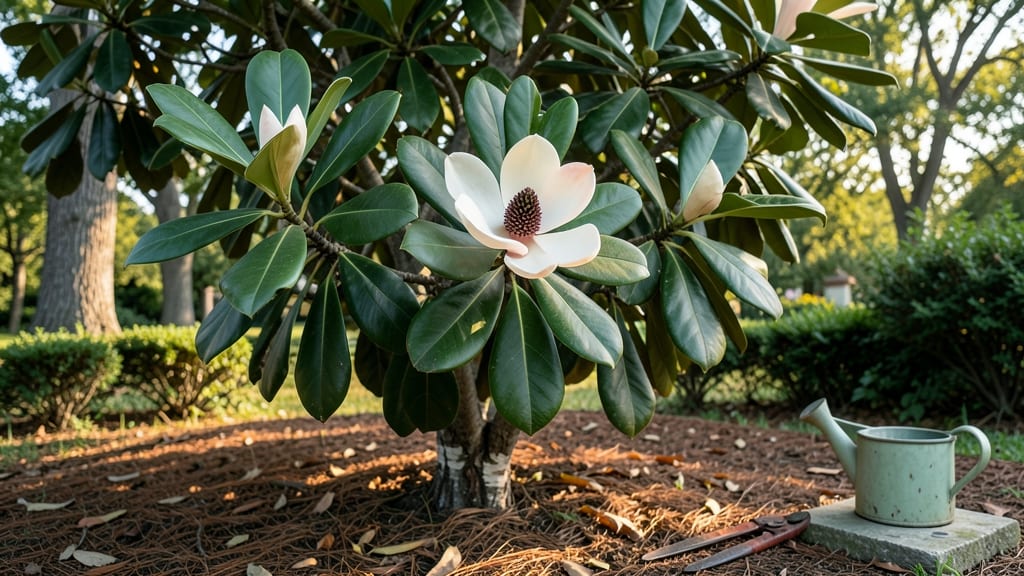
A potted magnolia plant brings bold, velvety blooms to patios and balconies where in-ground trees can’t grow. ✨ I’ve nurtured mine through winters and summers—its glossy leaves and fragrant flowers make it the showstopper of my container garden, with almost no fuss.
The key isn’t just the right pot or soil; it’s understanding how these slow-growing beauties thrive when coaxed just right.
You’ll need a container at least 18 inches wide with drainage holes, well-draining soil mixed with compost, and a spot that gets 6+ hours of sunlight daily. Watering’s the trickiest part—too much causes root rot, but too little stresses the plant.
I’ve found sticking my finger 2 inches deep in the soil before watering keeps it consistently moist without drowning. Pruning? Almost none needed, unless you want to shape it or remove dead blooms after their show.
By summer’s end, your magnolia will reward you with football-sized blooms in shades of pink, white, or purple, often lasting weeks. The foliage stays lush year-round, and with proper care, it can live—and bloom—for decades in a container.
The secret’s in the patience; magnolias grow slowly but pay off with drama few plants can match.
Whether you’re dealing with pests like scale or adjusting for winter chill, this guide covers the adjustments that keep your potted magnolia thriving. Let’s get yours growing strong!
📚 In This Guide
- What you need
- Instructions
- Tips and common mistakes
- Wrapping up and next steps
What you need
- ● Magnolia potted plant: Choose a dwarf variety (like Magnolia grandiflora ‘Little Gem’ or Magnolia stellata) for containers. Ensure it’s 3–5 gallons in size for stability.
- ● Container: A 12–18-inch diameter pot with drainage holes (terracotta or ceramic works best).
- ● High-quality potting mix: A well-draining blend (e.g., 60% peat moss, 30% perlite, 10% sand or orchid bark). 1–2 bags (2–3 cubic feet) depending on pot size.
- ● Slow-release fertilizer: 10–10–10 or 14–14–14 NPK ratio (use 1–2 tbsp per gallon of soil).
- ● Mulch: 2–3 inches of organic mulch (pine bark or shredded leaves) to retain moisture.
- ● Moisture meter: To check soil hydration without overwatering.
- ● Pruning shears: Sharp, bypass-style shears (for minimal pruning needs).
- ● Support stake: If your magnolia is top-heavy (especially Magnolia grandiflora varieties).
- ● Fungicide: Copper-based (prevents powdery mildew in humid climates).
- ● Wheelbarrow or bucket: For mixing soil and fertilizers easily.
How to grow a thriving potted magnolia tree
This elegant evergreen brings bold color to patios and porches with almost no fuss—just follow these proven steps.
🪴 Step 1: Select the Right Container and Drainage
Magnolias need room to grow, so choose a 5-gallon or larger container with drainage holes—root-bound plants wilt quickly. I opt for glazed ceramic or heavy plastic to prevent cracking in winter freezes. If your pot lacks drainage, drill ¼-inch holes in the bottom and line with ¼-inch mesh to keep soil in place.
Place a 2-inch layer of gravel or expanded clay pebbles at the bottom before adding soil. This ensures excess water drains away from roots, preventing the soggy soil that causes root rot. Magnolias hate wet feet—this layer is non-negotiable for long-term health.
🌱 Step 2: Plant with Acidic, Well-Draining Soil
Fill the pot with a mix of 50% peat moss, 30% pine bark fines, and 20% perlite—this mimics the acidic, airy soil magnolias love in their native woodlands. Avoid garden soil; it compacts and suffocates roots. I always test the pH with a kit—aim for 5.5 to 6.5, adjusting with sulfur if needed.
Remove the magnolia from its nursery pot and loosen the roots gently if they’re circling. Place it in the center of your container, ensuring the root flare (where roots meet the trunk) sits 1 inch below the rim. Fill around the roots with your mix, pressing lightly to eliminate air pockets. Water deeply until it drains from the holes below.
☀️ Step 3: Position for Bright, Indirect Light
Magnolias crave morning sun and afternoon shade—think dappled light under a tree canopy. A south-facing patio works if you provide afternoon shade during summer’s peak heat. If you only have full sun, choose a small-leafed variety like ‘Little Gem’ to reduce leaf scorch risk.
Watch for yellowing leaves—a classic sign of too much sun. If this happens, move the pot to a spot with 4-6 hours of filtered light daily. In winter, bring it indoors near a bright, east-facing window if temperatures drop below 20°F, but avoid drafts that dry out the soil too quickly.
💧 Step 4: Water Deeply and Maintain Consistent Moisture
Water when the top 2 inches of soil feel dry—stick your finger in to check. Magnolias need 1-2 gallons weekly in summer, but less in winter when growth slows. I use a slow-dripping hose attachment to water deeply until it runs from the drainage holes, ensuring roots get the moisture they crave.
Never let the soil dry out completely—wilting leaves often don’t recover. If the pot feels light, it’s time to water. Mulch the surface with 1 inch of pine bark to retain moisture and keep roots cool. Avoid overwatering; soggy soil is just as deadly as drought for magnolias.
✂️ Step 5: Prune Only When Necessary
Magnolias bloom on old wood, so prune only to remove dead branches or shape lightly after flowering. Use sterilized pruners to cut just above a bud or branch collar. I never prune more than 20% of the canopy in one season—this keeps the tree’s natural beauty intact.
If you spot mushy brown stems or yellow leaves with black spots, it’s likely root rot or fungal disease. Improve drainage immediately and treat with copper fungicide if needed. With proper care, your magnolia will reward you with fragrant blooms for decades—minimal effort, maximum impact.
Tips & tricks for perfect potted magnolia care
A few strategic moves will ensure your magnolia thrives in its container for years to come.
Container Upgrade: While a 5-gallon pot works for young trees, plan to upgrade to at least 10-gallon capacity within 2-3 years as roots expand. I've seen magnolias in 15-gallon pots thrive for decades—just ensure the new container has ¼-inch drainage holes and a sturdy base to prevent tipping. The extra space prevents root circling, which strangles growth. For mature trees, consider elevated planters to improve drainage in heavy clay soils.
Soil Science: That 50-30-20 peat moss/pine bark/perlite mix is your foundation, but here's the secret: sterilize your components first by baking them at 200°F for 30 minutes to kill pathogens. I also recommend adding 1 cup of worm castings per 5 gallons of mix for natural nutrients. The worm castings improve moisture retention while maintaining that critical 5.5-6.5 pH—just don't overdo it, as too much organic matter can compact over time.
Lighting Strategy: The morning sun/afternoon shade rule is perfect, but here's what nobody tells you: rotate your pot every 2-3 weeks to ensure even growth. Magnolias grow toward light, so one side often becomes leggy. I mark the pot's position with a piece of tape to track rotation—this prevents lopsided growth patterns that ruin the tree's natural symmetry. In winter, when moving indoors near that east-facing window, use a grow light for 4-6 hours daily if natural light drops below 4 hours.
Winter Survival: That 20°F threshold is your warning point, but here's the critical detail: acclimate gradually if moving from outdoor to indoor conditions. Over a week, move the pot to progressively cooler spots before bringing it inside. I've seen magnolias shocked by sudden temperature changes develop brown leaf edges that never fully recover. Also, reduce watering by 50% in winter—the tree's growth slows dramatically, so it needs far less moisture. A moisture meter becomes your best friend during these months.
Pro Tips for Magnolia Potted Plant
- A few strategic moves will ensure your magnolia thrives in its container for years to come.
- Container Upgrade: While a 5-gallon pot works for young trees, plan to upgrade to at least 10-gallon capacity within 2-3 years as roots expand.
- Soil Science: That 50-30-20 peat moss/pine bark/perlite mix is your foundation, but here's the secret: sterilize your components first by baking them at 200°F for 30 minutes to kill pathogens.
Frequently asked questions
How often should I water my potted magnolia?
Water your potted magnolia when the top 1-2 inches of soil feel dry. In hot weather, this could be every 2-3 days, while cooler months may require watering once a week. Always ensure the pot has drainage holes to prevent root rot. Pro tip: Use a moisture meter for accuracy!
Can magnolias survive winter in a pot?
Yes, but they need protection! Move your potted magnolia to a sheltered spot (like a garage or under an eave) before frost hits. Wrap the pot in burlap or use a frost cloth. Avoid placing it near heat sources, as temperature swings can stress the plant. Pro tip: Mulch the soil with straw for extra insulation!
Why aren’t my magnolia leaves turning green?
Yellowing or pale leaves often signal overwatering, nutrient deficiency, or poor drainage. Check the soil moisture and ensure the pot drains well. Feed your magnolia with a balanced fertilizer in spring and summer. If leaves stay yellow, test soil pH—magnolias prefer slightly acidic soil (pH 5.0-6.0).
How do I encourage blooms on my potted magnolia?
Blooms thrive with proper care! Ensure your magnolia gets 6+ hours of sunlight daily and prune lightly after flowering. Avoid heavy pruning, as it can reduce next year’s blooms. Feed with a high-phosphorus fertilizer in early spring to promote flowering.
What’s a good alternative if I can’t grow a magnolia?
If magnolias prove tricky, try these low-maintenance alternatives: Camellias (for year-round interest), Gardenia (fragrant blooms), or Japanese Maple (for vibrant foliage). All three tolerate containers and offer similar elegance with slightly easier care!
Wrapping up and next steps
Bringing a magnolia potted plant into your space is a rewarding choice—it’s elegant, low-maintenance, and packed with stunning blooms that brighten any season! 🌸 With just a few simple steps, you can enjoy its beauty year-round while keeping pruning to a minimum.
Whether you’re a seasoned gardener or just starting, this plant is the perfect way to add a touch of nature’s luxury without the hassle.
Ready to elevate your container garden? Pick your favorite variety, grab a pot, and get planting! Your future self (and your home’s curb appeal) will thank you. 🌿