Diseases
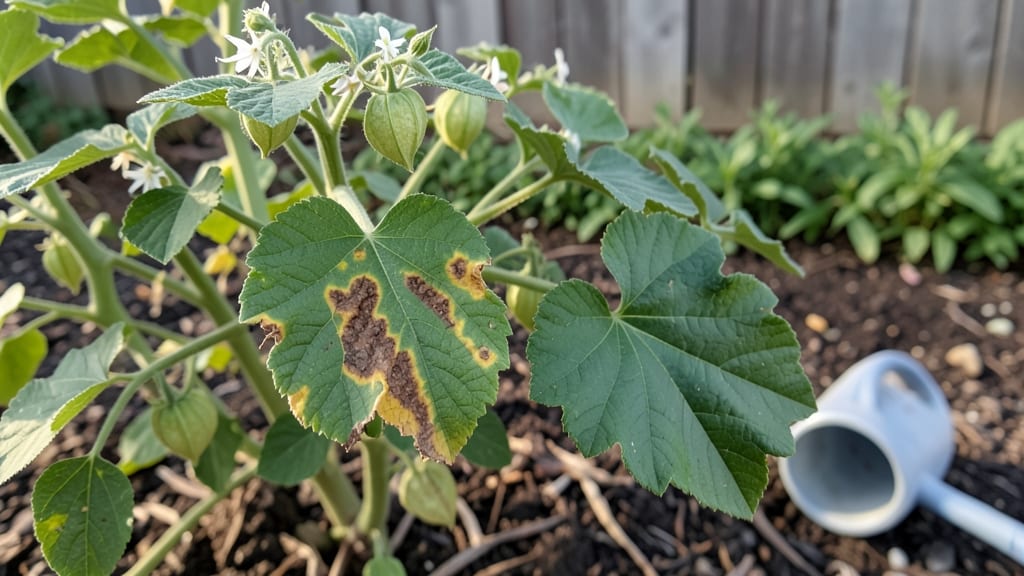
Tomatillo plant diseases can turn your harvest into a disappointment faster than you think—unless you catch the warning signs early. I’ve seen powdery mildew turn my plants into ghostly white skeletons and bacterial spot create holes that look like someone took a shotgun to the leaves.
The good news? Most issues respond to simple fixes if you act fast.
Those tiny, papery leaves are tomatillos’ Achilles’ heel—damp conditions and tight spacing invite fungal infections like powdery mildew, while bacterial spot thrives in warm, wet weather. You’ll spot yellowing leaves, black spots, or a fuzzy white coating, and if ignored, these problems spread like wildfire.
The key is prevention: prune for airflow, water at the base (not overhead), and rotate crops yearly to break disease cycles.
Once you spot trouble, organic fixes like neem oil, copper spray, or baking soda mixtures can save your plants. For bacterial spot, remove infected leaves immediately and sterilize pruners with rubbing alcohol. The goal isn’t just to save the plant—it’s to protect your entire harvest before the disease takes over.
Even experienced gardeners lose battles with tomatillo diseases, but early action turns the tide. Whether it’s adjusting your watering schedule or swapping out mulch, small changes make a big difference. Let’s get your plants back on track before the next harvest.
Root Causes Of Tomatillo Struggles
Tomatillo plants may look delicate, but they’re tough little warriors—until something disrupts their balance. Understanding why diseases strike helps you stop them before they spread. Let’s break down the science behind the most common culprits.
Tomatillos thrive in well-draining soil, but too much moisture creates the perfect breeding ground for fungal pathogens like Phytophthora and Pythium. Here’s why:
- Fungal spores need moisture to germinate—think of them as tiny underwater swimmers waiting for a wet environment to multiply.
- Poor aeration in soggy soil starves roots of oxygen, weakening the plant’s defenses and making it easier for pathogens to invade.
- Slow evaporation in dense or clay-heavy soil keeps foliage damp longer, encouraging leaf-spot diseases (e.g., Alternaria or Septoria).
Pro Tip: 💡 Tomatillos hate “wet feet.” Ensure containers have drainage holes or plant in raised beds to mimic their native dry-season resilience.
Tomatillos grow in clusters, and while this looks lush, it can trap humidity. Stagnant air creates a microclimate where fungal spores thrive. Key triggers:
- Crowded plants block airflow, raising humidity around leaves—ideal for powdery mildew (Oidium) or early blight (Alternaria solani).
- Thick canopies prevent sunlight from drying dew quickly, leaving surfaces moist overnight.
- Shady spots slow evaporation, keeping leaves damp longer (even in dry climates).
Action Step: ✂️ Prune lower leaves to improve airflow, and space plants 18–24 inches apart for better ventilation.
Tomatillos are heavy feeders, but too much nitrogen (or too little of other nutrients) weakens their immune system. Here’s how:
| Nutrient Issue | Resulting Problem | Disease Risk |
|---|---|---|
| ⚠️ Excess nitrogen | Soft, sappy growth with thin cell walls | More susceptible to bacterial soft rot (Erwinia) and Phytophthora |
| ⚠️ Calcium deficiency | Weak cell structure; blossom-end rot in fruits | Secondary infections from cracked tissue |
| ⚠️ Low phosphorus | Poor root development; stunted growth | Stress makes plants vulnerable to Fusarium wilt |
Fix It: 🌡️ Test soil pH (aim for 6.0–7.0) and use balanced organic fertilizers (e.g., 5-5-5 or compost tea) to avoid overfeeding.
Some pests don’t just damage leaves—they spread pathogens. For example:
- Aphids excrete honeydew, which fosters sooty mold (a black fungal film) and attracts ants that worsen infestations.
- Tomato hornworms chew holes in leaves, creating entry points for bacterial wilt (Ralstonia).
- Whiteflies transmit tomato yellow leaf curl virus, stunting growth and distorting fruit.
Preventative Tip: 🔥 Use neem oil or introduce ladybugs to control pests before they become a disease vector.
Tomatillos prefer warm days (70–85°F) and cool nights (55–65°F). Sudden changes stress them, lowering resistance:
- Cold snaps (<40°F) slow metabolism, making plants prone to Fusarium or Verticillium wilt.
- Heat stress (>90°F) causes sunscald on leaves, weakening the plant’s barrier against pathogens.
- Frost damage kills foliage, leaving open wounds for bacterial spot (Xanthomonas).
Solution: 🌡️ Use row covers in early spring or mulch heavily to stabilize soil temps.
Quick Fixes for Tomatillo Troubles
Tomatillo plants may face their share of diseases, but with the right approach, you can nurse them back to health—and even prevent future outbreaks. Below, we’ve mapped out practical, organic solutions for the most common issues, along with prevention tips to keep your plants thriving.
No fancy tools or chemicals required—just smart gardening!
**🔥 *Cause:*** Fungal spores (like Alternaria) thrive in warm, humid conditions, creating dark, concentric rings on leaves.
**👨🍳 Fix It Now: 1. Prune & Toss 🔪: Snip off infected leaves (wear gloves!) and compost them far from your garden—don’t let spores linger.
- Spray Copper Fungicide 💧: Mix 1 tbsp copper sulfate per gallon of water and spray early morning or evening (avoid direct sun to prevent leaf burn).
- Boost Airflow 🌬️: Thin out crowded plants and space them 18–24 inches apart to reduce humidity.
💡 Prevent It Next Time:
- Rotate crops: Avoid planting nightshades (tomatoes, peppers, eggplants) in the same spot for 3+ years.
- Mulch strategically: Use straw or grass clippings (not wood chips) to keep soil moist but not soggy.
- Water at the base ⏰: Soak roots early in the day so leaves dry quickly.
🔥 *Cause:*** Bacteria (Xanthomonas or Pseudomonas) create water-soaked, oily spots that turn yellow and drop leaves.
**👨🍳 Fix It Now:
- Remove infected foliage immediately 🚫: Drop it in a sealed trash bag—don’t compost!
- Baking soda spray 🧂: Mix 1 tsp baking soda + 1 tbsp vegetable oil + 1 tsp soap per quart of water.
Spray every 7–10 days. 3. Sanitize tools 🧼: Wipe pruners with rubbing alcohol between cuts to prevent spread.
💡 Prevent It Next Time:
- Avoid overhead watering 💦: Use a drip irrigation system or soaker hose to keep leaves dry.
- Plant resistant varieties: Look for tomatillo types labeled "resistant to bacterial spot" (e.g., ‘Purple de Milpa’).
- Crop rotation is key: Wait 2–3 years before replanting nightshades in the same bed.
🔥 Cause: Fungal spores coat leaves in white, powdery patches, weakening plants and reducing fruit yield.
👨🍳 Fix It Now:
- Neem oil spray 🌿: Mix 1 tbsp neem oil + 1 tsp mild soap per quart of water. Spray both sides of leaves until glistening.
- Horticultural oil 🛡️: Apply dormant oil (like Sunspray Oil) in early spring to smother spores before they wake up.
- DIY sulfur dust 🔥: Lightly dust leaves with elemental sulfur (follow package rates) for a natural fungicide.
💡 Prevent It Next Time:
- Space plants wider 📏: Aim for 2 feet between plants to improve airflow.
- Morning watering only ⏰: Water before 10 AM so leaves dry by sunset.
- Companion plants help! 🌱: Interplant with marigolds or garlic to deter fungal spores.
🔥 Cause: Tiny bugs suck sap, causing yellowing, curled leaves and sticky residue (aphids) or fine webbing (mites).
👨🍳 Fix It Now:
- Blast them off 💦: Spray plants with a strong stream of water 2–3 times a week.
- Insecticidal soap 🧼: Use 1 tsp castile soap per quart of water. Spray directly on pests (avoid hot sun).
- Ladybugs to the rescue! 🐞: Release beneficial insects like ladybugs or lacewings (available at garden centers).
💡 Prevent It Next Time:
- Encourage predators 🌿: Plant dill, fennel, or cosmos to attract natural pest-eaters.
- Reflective mulch ✨: Cover soil with silver plastic mulch to disorient flying pests.
- Sticky traps 🎯: Hang yellow sticky traps near plants to catch early infestations.
Even with diseases under control, healthy plants resist pests better. Follow these pro tips to future-proof your tomatillos:
- 💪 Fertilize right: Use a balanced organic fertilizer (like 5-5-5) every 4–6 weeks, but reduce nitrogen in flowering/fruiting stages.
- 🌡️ Temperature matters: Tomatillos thrive in 60–80°F—avoid planting in hot, dry climates without shade.
- 🍅 Harvest promptly: Pick tomatillos when fully green and slightly soft to prevent overripening (which stresses plants).
- 🚫 Avoid wet foliage: Always water at the base and never after dark to discourage fungal growth.
🎯 Remember: The best cure is prevention—but if diseases strike, act fast** with organic fixes. Your tomatillos (and your salsa!) will thank you. 🌶️🔥
Frequently asked questions
What are the first signs of bacterial spot on tomatillo plants?
Look for small, water-soaked spots that appear greasy or oily on leaves, stems, or fruit. These spots quickly turn yellow or brown with darker centers and may develop a halo effect. Infected leaves often drop prematurely, and severe cases can cause fruit to rot. Act fast by removing infected foliage and applying a baking soda spray.
Can I still harvest tomatillos if they have powdery mildew?
Yes, but only if the mildew is mild and hasn’t spread to the fruit. Harvest any unaffected tomatillos immediately, as the disease spreads rapidly. For infected plants, treat with neem oil or sulfur dust and improve airflow. Avoid harvesting from heavily mildewed plants, as the spores can contaminate your crop.
Why does my tomatillo plant keep getting fungal diseases even after treatment?
Fungal diseases often return if humidity or poor airflow persist. Check for overcrowding (space plants 18–24 inches apart) and water only at the base in the morning. Sterilize tools between cuts, and rotate crops—avoid planting nightshades in the same spot for 3+ years. Fungal spores linger in soil, so break the cycle with organic fungicides.
Is it safe to compost tomatillo leaves with bacterial spot?
No, never compost infected leaves! Bacterial spot spores survive composting and can reinfect your garden. Instead, seal infected plant material in a plastic bag and dispose of it in the trash. This prevents spreading the disease to healthy plants or future crops.
How do I prevent aphids from spreading diseases to my tomatillo plants?
Aphids excrete honeydew, which attracts sooty mold and spreads viruses. Control them by blasting plants with water 2–3 times a week or spraying insecticidal soap. Introduce ladybugs or lacewings as natural predators. Also, plant marigolds or garlic nearby to repel pests and improve plant resilience.