
Companion Plants
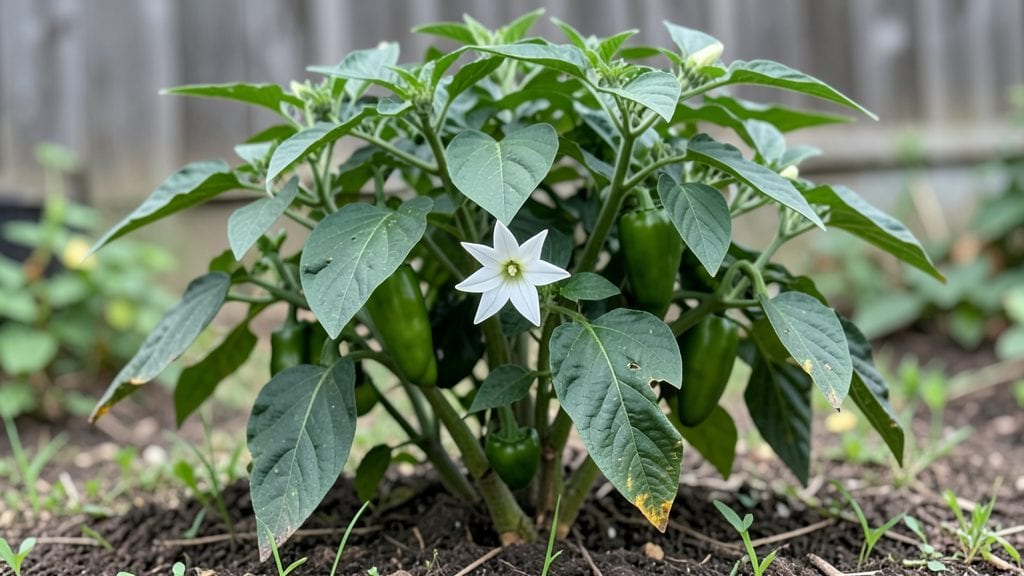
Growing Mexibell pepper plants means you get the best of both worlds—mild, sweet bell peppers and the heat-loving resilience of jalapeños. ✨ These hybrid wonders thrive where other peppers wilt, producing crisp, flavorful fruits that keep coming even when temperatures climb.
I’ve grown them for three summers now, and they’ve never let me down—not once.
They demand full sun and well-draining soil, but once established, they’re shockingly drought-tolerant. That means less fuss and more harvests, even in hot climates where other peppers struggle.
Start with a rich, slightly acidic soil mix and keep them evenly moist until roots take hold—after that, they’ll tell you when they’re thirsty by wilting just enough to remind you.
You’ll harvest peppers that start mild but develop a subtle kick as they ripen, perfect for fresh eating or cooking. A single plant can yield 20-30 peppers per season, and with proper care, they’ll keep producing until frost.
The key? Pruning regularly to encourage bushier growth and side-shoot development—it’s the secret to maximizing your harvest.
These peppers are ideal for containers or in-ground gardens, making them perfect for small spaces or urban gardens. Plus, they’re resistant to common pepper diseases, so you’ll spend less time fighting pests and more time enjoying the fruits of your labor. Ready to grow yours?
📚 In This Guide
- What you need
- Instructions
- Tips and common mistakes
- Wrapping up and next steps
What you need
- ● Mexibell pepper seeds – 5–10 seeds (or 1–2 plants if buying seedlings).
- ● Well-draining potting mix – 5–10 gallons (look for a blend with perlite or coconut coir).
- ● Containers or garden bed – Containers: 5-gallon pots (minimum) with drainage holes (2–3 plants per pot).
- ● Garden bed: Full sun (6+ hours/day), loose, sandy soil (pH 6.0–7.0).
- ● Fertilizer – Balanced organic fertilizer (10-10-10 or compost tea) for transplanting.
- ● Watering can or drip irrigation – For consistent moisture (avoid overhead watering).
- ○ Mulch (optional but recommended) – Straw or shredded leaves to retain moisture.
- ● Gloves & pruners – For handling plants and trimming (sterilize with rubbing alcohol).
- ● Trowel or transplanting spade – If moving seedlings to the ground.
- ● Sunlight gauge – To confirm your growing spot gets enough light.
- ○ Heat-resistant row cover – Optional for early/late seasons in cooler climates.
- ○ Pest control (neem oil or insecticidal soap) – Optional for aphid/spider mite prevention.
Step-by-Step instructions for growing Mexibell pepper plants
Here's how to grow these drought-tolerant, heat-loving beauties that keep producing all season long.
🌱 Step 1: Start Seeds Indoors for Early Production
Mexibell peppers need warmth to germinate, so start seeds indoors 8-10 weeks before your last frost date. Fill 2-inch deep seed trays with sterile seed-starting mix (never garden soil—it's too dense). Moisten the mix until it's damp like a wrung-out sponge, then press it down gently to remove air pockets.
Plant 2-3 seeds per cell just ¼ inch deep—any deeper and they'll struggle to reach the light. Cover lightly with additional mix and mist the surface with water until evenly damp. Place the tray in a warm spot (75-85°F) like on top of a refrigerator or under a seedling heat mat. Germination takes 10-14 days—don't give up if nothing appears by day 10.
☀️ Step 2: Provide Bright Light to Prevent Leggy Seedlings
The moment those first green sprouts appear, move them to bright light—a south-facing window rarely provides enough intensity. Use a full-spectrum LED grow light positioned 2-4 inches above the seedlings. Keep it on for 14-16 hours daily to mimic summer sunlight.
Watch for leggy growth (thin stems with leaves spaced far apart)—this means your light is too far away. Strong seedlings have thick stems and compact spacing between leaves. Rotate the tray a quarter turn daily so plants grow straight instead of leaning toward the light.
🪴 Step 3: Transplant to Larger Containers When Ready
When seedlings develop 3-4 true leaves (the second set after the initial cotyledons), transplant them to 5-6 inch pots filled with well-draining potting mix. Gently remove each seedling by grasping the leaves (not the stem) and place it in its new home, burying up to the first set of leaves. Press the soil lightly around the base to secure the plant.
Water deeply right after transplanting, but do not overwater—Mexibell peppers hate soggy roots. Place the pots in a sunny spot (at least 6 hours of direct sun daily) and harden them off over 7-10 days by gradually increasing outdoor exposure. This prepares them for the heat and prevents shock when moved permanently.
✂️ Step 4: Prune and Support for Maximum Yields
Mexibell peppers grow bushy but benefit from light pruning to encourage more fruit production. Once plants reach 12-18 inches tall, pinch off the top set of leaves to redirect energy to side branches. Remove any yellow or diseased leaves immediately—they spread problems fast. Use cage supports or stakes to keep plants upright, especially as peppers develop.
Here's the thing—Mexibell peppers love heat but hate wet feet. Water deeply 2-3 times per week (more in extreme heat), but always let the top inch of soil dry out between waterings. Mulch with 2-3 inches of organic mulch to retain moisture and keep roots cool. You'll see the difference in fruit size and flavor within weeks!
🌿 Step 5: Harvest and Encourage Continuous Production
Start harvesting when peppers reach 3-4 inches long—this keeps plants productive and prevents overcrowding. Use clean pruners or scissors to cut stems just above a leaf node. The more you pick, the more the plant produces! Store harvested peppers in a cool, dry place (like a mesh bag in the fridge) for up to 2 weeks—they'll keep ripening slowly.
As peppers ripen, watch for color changes—Mexibell varieties often turn deep red, orange, or yellow. Don't wait too long to harvest, or the plant will focus on seed production instead of new fruit. If you live in a hot climate, these peppers will keep producing year-round with minimal care. In cooler areas, bring pots indoors before frost and place them near a sunny window or grow light to extend the season.
Tips & tricks for perfect Mexibell pepper plants
These game-changing tips will help you grow the most productive, heat-resistant Mexibell pepper plants possible—no green thumb required!
Germination Secret: The 75-85°F warmth in Step 1 is non-negotiable! If your home runs cooler, create a DIY heat mat by placing the seed tray on top of a refrigerator or in a warm closet. I've even used a heating pad set to low—just make sure it's not too hot to touch. Covering the tray with clear plastic wrap creates a mini greenhouse effect that speeds up germination by 2-3 days.
Lighting Hack: In Step 2, those 14-16 hours of light are crucial for preventing leggy seedlings. If you don't have a grow light, place your seedlings on a sunny windowsill during the day and supplement with a bright LED desk lamp in the evening. I rotate my trays every 4 hours (not just daily) to ensure even growth—this prevents plants from stretching toward one light source.
Transplanting Pro Tip: When transplanting in Step 3, bury seedlings deeper than you think—up to the first set of true leaves. This encourages stronger root development. I use a pencil to make small holes in the potting mix before placing seedlings, which helps roots establish faster. After transplanting, give the soil a gentle squeeze—it should feel like a damp sponge, not a soaked sponge.
Pruning Strategy: In Step 4, don't be afraid to get aggressive with pruning! Once your plants hit 12-18 inches, pinch off those top leaves to encourage bushier growth. I also remove any flowers that appear before the first harvest—this redirects the plant's energy to growing more peppers instead of setting seed. Use clean, sharp scissors to avoid damaging stems, and always sterilize them with rubbing alcohol between cuts.
Pro Tips for Mexibell Pepper Plants
- These game-changing tips will help you grow the most productive, heat-resistant Mexibell pepper plants possible—no green thumb required!
- Germination Secret: The 75-85°F warmth in Step 1 is non-negotiable!
- Lighting Hack: In Step 2, those 14-16 hours of light are crucial for preventing leggy seedlings.
Frequently asked questions
Got questions about growing Mexibell pepper plants? You’re not alone! Here are some common concerns—and expert answers—to help you cultivate these heat-loving beauties with confidence.
How hot does it need to get for Mexibell peppers to thrive?
Mexibell peppers love the heat! They thrive in temperatures between 75°F and 95°F (24°C–35°C). Below 60°F (15°C), growth slows, and frost will kill them instantly. Use black plastic mulch or row covers to extend the season in cooler climates.
How long does it take for Mexibell pepper plants to produce fruit?
From seed, expect 70–90 days to first harvest. Transplants (started indoors) may fruit 10–15 days sooner. Consistently warm temps and full sun speed up production—so keep them happy with the right setup!
Do Mexibell peppers really need less water than other peppers?
Yes! Their drought-resistant roots mean they need less frequent watering than bell peppers but still require 1–1.5 inches per week (adjust for heatwaves). Let soil dry slightly between waterings to prevent root rot—no soggy feet!
Can I grow Mexibell peppers in containers? What size pot do they need?
They’re great for containers. Use a 5-gallon pot minimum (bigger = more peppers). Ensure pots have drainage holes and fill with well-draining soil. Place containers in full sun and fertilize every 4–6 weeks for best results.
What pests should I watch for with Mexibell peppers?
Common culprits include aphids, spider mites, and hornworms. Early intervention is key! Spray with neem oil for soft-bodied pests or handpick hornworms. Pro tip: Plant basil or marigolds nearby to deter pests naturally.
What can I do if my Mexibell peppers stop flowering?
Heat stress (above 95°F/35°C) or inconsistent watering can halt flowering. Move plants to partial shade during extreme heat and ensure even moisture. A balanced fertilizer (like 10-10-10) can also boost blooms—just avoid over-fertilizing!
Wrapping up and next steps
Growing Mexibell pepper plants is a rewarding way to add heat, flavor, and resilience to your garden—no matter the climate! These drought-tolerant, heat-loving hybrids thrive with minimal fuss, offering year-round harvests and a versatile kick to your meals.
Whether you’re a seasoned gardener or just starting, their adaptability makes them a must-try for any green thumb.
Ready to dive in? Start by prepping your soil and choosing the right spot—then watch your garden transform into a spicy oasis! 🌱🔥 Review the essentials or clear up last-minute questions before planting your first seeds.