
Plants
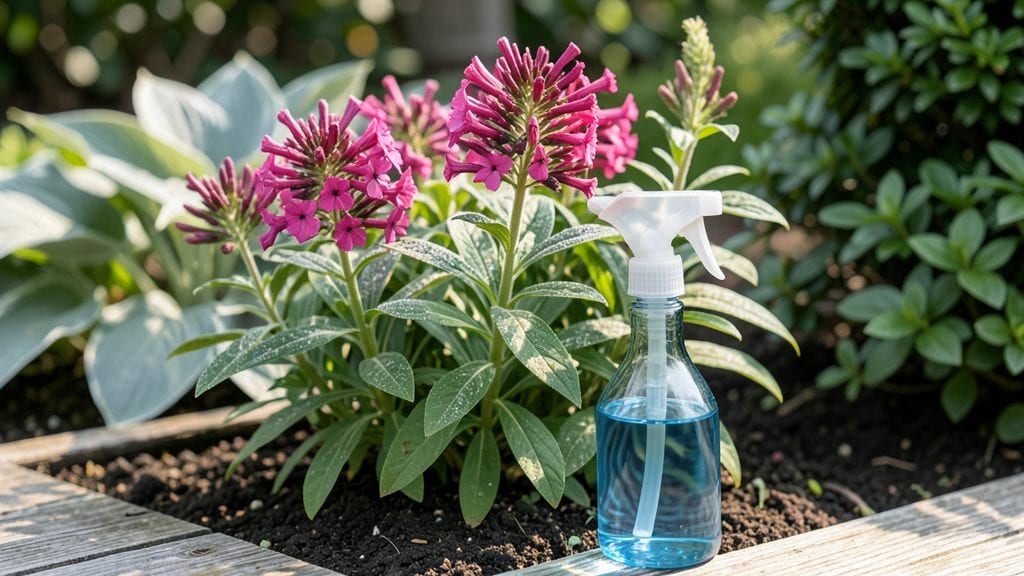
That white powdery film on your phlox leaves isn’t dust—it’s powdery mildew, and it’s stealing your plants’ energy before they can bloom. 🌿 I’ve battled this fungus on my own phlox beds, and I’ve learned the exact moves to turn back the damage before it’s too late.
Most gardeners wait too long, assuming mildew is just a cosmetic issue. But left unchecked, it distorts leaves, weakens stems, and turns your showstopper phlox into a sad, sparse shadow of itself.
The good news? You don’t need harsh chemicals to win this fight—just three targeted steps that work faster than store-bought sprays.
By pruning infected growth, applying the right spray, and adjusting your watering habits, you’ll see fresh green leaves pushing through within 10-14 days. The blooms will return thicker, more vibrant, and—best of all—your phlox will outgrow the mildew for good next season.
This works for garden phlox, drummond phlox, and even those tough perennial varieties that seem impossible to save. Let’s get your plants back to their neighborhood-stealing glory before the season’s over.
The Hidden Triggers Behind Fungal Growth
Mildew isn’t just a random visitor—it’s a fungal party crasher that thrives when your phlox plants throw the perfect conditions. Understanding these triggers is the first step to kicking it out for good. Let’s break down the science behind why mildew latches onto your blooms like a stubborn hitchhiker.
Mildew spores are like tiny, invisible parachutists—they need moisture to float and land. Phlox plants, especially those with dense foliage, create a microclimate where humidity lingers. Here’s how it works:
- High relative humidity (70%+): Mildew spores germinate and spread when the air is thick with moisture. Think of it like a sauna for fungi.
- Poor air circulation: Crowded plants or those growing in shaded spots trap humid air, giving spores a cozy home to multiply.
- Morning dew or evening watering: Wet leaves for prolonged periods (over 6 hours) turn your phlox into a fungal buffet. Spores land, hydrate, and start feasting.
Pro Tip: 🌡️ Use a hygrometer to monitor humidity near your plants. Aim for 40-60% humidity during the day and reduce evening watering to let foliage dry faster.
Phlox plants with thick, overlapping foliage are mildew’s favorite hiding spots. Why? Because:
- Blocked airflow: Fungal spores can’t “breathe” (metaphorically) if air isn’t circulating. Stagnant air = spore heaven.
- Shaded leaves stay damp longer: Sunlight helps leaves dry faster. In shady spots, leaves stay clingy with moisture, giving mildew a 24/7 buffet.
- Old, weak growth attracts spores: Mildew targets stressed or nutrient-starved plants. Overcrowding weakens stems, making them low-hanging fruit for fungi.
Action Step: 🌳 Prune your phlox to open up the canopy, allowing sunlight and air to flow. Space plants 12-18 inches apart and avoid planting in tight clusters.
Water is the #1 accelerant for mildew. Even well-meaning gardeners can unknowingly create a fungal paradise with these habits:
| Bad Habit | Why It’s a Problem |
|---|---|
| Overhead watering | Spores splash onto leaves from soil or nearby plants, then germinate in the dampness. |
| Watering at night | Leaves stay wet overnight, giving spores 12+ hours to colonize. |
| Using sprinklers | Creates a fine mist that spreads spores like a fungal snowstorm. |
| Poor drainage | Soggy soil keeps roots stressed, weakening the plant’s defenses against mildew. |
Fix It: 💦 Water at the base of the plant in the early morning (before 10 AM) and use drip irrigation or soaker hoses to avoid wetting foliage. Ensure pots or garden beds have well-draining soil mixed with perlite or sand.
Mildew loves warm, muggy conditions—think of it as the fungal equivalent of a tropical vacation. Here’s how temperature plays a role:
- 60–80°F (15–27°C) is prime time: This range is ideal for spore germination. If your summers are humid, mildew may strike early.
- Cool nights + warm days: The temperature swing creates condensation on leaves, mimicking a greenhouse effect for fungi.
- Greenhouse or indoor phlox: Artificial heat + high humidity = a mildew breeding ground.
Solution: ⚡ Use a fan to improve airflow around plants (even a gentle breeze disrupts spore spread). In greenhouses, ventilate daily and use dehumidifiers if needed.
Now that you know the why, the next step is how to evict it. But first—cut off the party supplies by addressing these triggers!
Reviving Your Phlox: Step-by-Step Solutions
Mildew on phlox doesn’t have to mean the end of your garden’s vibrant blooms! With the right approach, you can treat the issue, restore your plants, and prevent future outbreaks—all while keeping your green thumb happy.
Below, we’ve mapped out practical fixes tailored to the most common causes of mildew, plus prevention tips to keep your phlox thriving.
Cause: Dense foliage traps moisture, creating the perfect mildew buffet.
How to Treat It:
- 🔥 Prune Like a Pro
- Use clean, sharp shears to trim back affected leaves and stems by 1/3 to improve airflow.
- Focus on removing only the mildewed parts—don’t over-prune healthy growth.
- Dispose of pruned material in the trash (not compost) to stop spores from spreading.
- 🌬️ Space Out for Success
- If your phlox is too tightly packed, thin out plants so they’re 12–18 inches apart.
- Consider dividing clumps every 2–3 years to keep them vigorous and airy.
- 💡 Pro Tip: After pruning, sanitize your shears with rubbing alcohol to avoid cross-contamination.
Cause: Wet leaves from overhead watering or soggy soil invite mildew.
How to Treat It:
- 👨🍳 Water at the Roots, Not the Leaves
- Switch to drip irrigation or soaker hoses to deliver water directly to the soil.
- Water early in the morning (before 10 AM) so leaves dry quickly.
- 🏗️ Boost Soil Drainage
- Amend heavy or clay soil with compost or perlite to improve drainage.
- If your garden has poor drainage, raise beds or plant phlox in containers with drainage holes.
- ✨ Prevention Hack: Mulch around phlox with 2–3 inches of organic mulch (like straw or shredded bark) to reduce soil splashing onto leaves.
Cause: Mildew spores thrive when conditions are just right—humidity + warmth + weak plants.
How to Treat It:
- 🍳 Homemade Spray Solutions (Safe & Effective)
- Baking Soda Spray: Mix 1 tsp baking soda + 1 tbsp horticultural oil + 1 tsp soap (like Castile) in 1 gallon of water. Spray every 7–10 days until mildew clears.
- Neem Oil: Combine 1 tbsp neem oil + 1 tsp soap in 1 quart of water. Spray early morning or late evening (avoid direct sun).
- Milk Spray: Use 1 part milk to 9 parts water (spray weekly—it’s packed with antifungal properties!).
- 🔪 Chemical Defense (Last Resort)
- For severe cases, use fungicides like copper fungicide or sulfur-based sprays (follow label instructions).
- Rotate treatments to prevent resistance.
- 🌡️ Adjust Growing Conditions
- Mildew loves hot, humid days (75–85°F). If possible, provide afternoon shade during peak mildew season.
- Avoid fertilizing heavily—too much nitrogen = softer, mildew-prone leaves.
- 🎯 Choose Resistant Varieties
- Opt for mildew-resistant phlox like:
- Phlox paniculata ‘David’ (tolerant)
- Phlox subulata (hardy ground cover)
- Phlox ‘Colorado’ Series (disease-resistant)
- Opt for mildew-resistant phlox like:
- 🌿 Rotate Plantings
- Avoid planting phlox in the same spot year after year—rotate with mildew-resistant plants like lavender or catmint.
- 🔄 Clean Up Debris
- Remove dead leaves and stems at the end of the season to eliminate mildew spores.
- 💪 Strengthen Your Phlox
- Well-drained soil + balanced fertilizer (like 10-10-10) keeps plants strong and less susceptible to mildew.
Final Thought: With these targeted fixes, your phlox can bounce back—bloom-heavy and mildew-free! Start with pruning and better watering, then add preventative sprays for a long-term solution. Happy gardening! 🌸
Frequently asked questions
Can I still save my phlox if it already has mildew?
Yes! Act fast by pruning affected leaves (don’t compost them) and applying a baking soda spray (1 tsp baking soda + 1 tbsp oil + 1 tsp soap per gallon of water). Within 2 weeks, new growth should emerge mildew-free. Avoid fertilizing until the plant recovers—focus on airflow and watering at the base instead.
Why does mildew keep coming back even after treatment?
Mildew often returns if you’re still watering leaves or humidity stays high. Switch to drip irrigation, space plants 12-18 inches apart, and use a fan to improve airflow. Also, remove all infected debris—even small pieces can harbor spores. For stubborn cases, rotate between neem oil and milk spray weekly.
Are some phlox varieties more resistant to mildew?
Phlox subulata (moss phlox) and Phlox paniculata ‘David’ are top picks for their natural resistance. For garden phlox, look for disease-resistant hybrids like the ‘Colorado’ series. If you’re replanting, choose these varieties—they’ll need fewer treatments and bounce back faster from mild outbreaks.
Is it safe to use vinegar spray for mildew on phlox?
Not recommended. While vinegar kills spores, its acidity can burn plant leaves, weakening your phlox further. Stick to gentler options like 1% hydrogen peroxide solution (1 part peroxide to 3 parts water) or the baking soda spray mentioned earlier. Always test sprays on a small leaf first.
How do I know if my phlox is recovering from mildew?
Watch for new green growth at the base of stems and fewer white patches on existing leaves. Healthy recovery also means leaves will be firmer and upright (not distorted). If blooms return vibrant and abundant, your phlox has fully bounced back! Monitor for another 4-6 weeks to confirm the mildew is gone.