
Fertilization
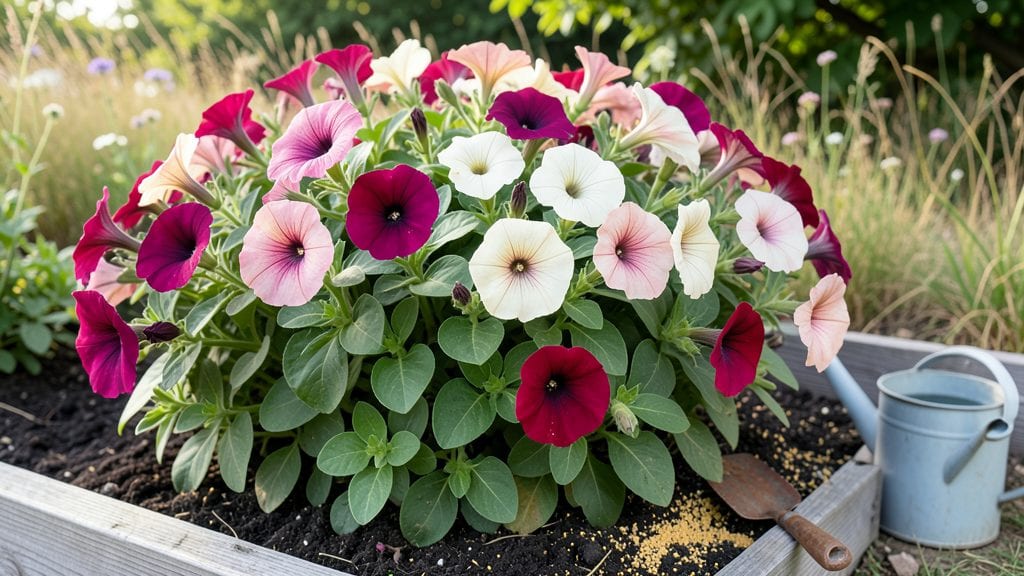
My homemade miracle plant food isn’t some store-bought gimmick—it’s a nutrient-packed blend that transforms lackluster soil into a thriving ecosystem. 🌱 After years of struggling with weak growth in my raised beds, I discovered the secret lies in balancing nitrogen, phosphorus, and potassium with organic matter.
The results? Darker green leaves, faster root development, and blooms that last longer than ever before.
This recipe uses simple, affordable ingredients you can mix in 30 minutes—no fancy equipment required. We’re talking molasses for microbial activity, banana peels for potassium, and crushed eggshells for calcium.
The blend works for vegetables, flowers, and even houseplants, but it’s especially game-changing for heavy feeders like tomatoes and peppers. Unlike synthetic fertilizers, this mix improves soil structure over time, so your plants keep benefiting season after season.
You’ll notice the difference within 2-3 weeks—healthier foliage, stronger stems, and plants that bounce back from pests faster. The key is consistency: apply it every 4-6 weeks during growing season, and always water it in to prevent root burn.
It’s not just food for your plants; it’s a long-term investment in your garden’s vitality.
Better yet, this blend is safer for kids and pets than many commercial products, and you can adjust the ratios based on what your plants need most. Whether you’re reviving an underperforming garden or just want to give your plants a boost, this is the solution that actually works.
Let’s get your soil working harder for you.
How Nutrient Imbalance Triggers Growth Issues
Even the most miracle plant food-like blends can fail if your soil isn’t in harmony. When nutrients are out of balance, plants struggle to absorb what they need, leading to stunted growth, yellowing leaves, or even death.
Understanding the why behind these imbalances helps you create the perfect soil environment for thriving plants. Let’s break down the science behind the chaos.
Plants need a delicate balance of nitrogen (N), phosphorus (P), potassium (K), calcium (Ca), magnesium (Mg), and micronutrients. But when one nutrient dominates—like too much nitrogen from synthetic fertilizers—it can starve roots of other essential minerals.
- Example: Excess nitrogen (common in fast-release fertilizers) can lock out calcium and magnesium, causing blossom end rot in tomatoes or yellowing between leaf veins (a classic magnesium deficiency).
- Why it happens: High nitrogen levels lower soil pH, making calcium and phosphorus less available. Roots also prioritize nitrogen uptake, leaving other nutrients in short supply.
- Actionable fix:
- Test your soil (pH and nutrient levels) before applying any miracle plant food.
- Use slow-release organic matter (like compost or worm castings) to avoid spikes in one nutrient.
- Add lime (for calcium) or Epsom salt (for magnesium) if deficiencies appear.
Compacted or waterlogged soil physically blocks roots from accessing nutrients, even if they’re present. Without proper aeration and drainage, beneficial microbes can’t break down organic matter into usable plant food.
- Why it happens:
- Clay soil holds water but suffocates roots, creating anaerobic zones where microbes die.
- Sandy soil drains too fast, washing away nutrients before roots can absorb them.
- Over-tilling disrupts soil biology, killing the fungi and bacteria that help plants uptake nutrients.
- Actionable fix:
- Amend soil with organic compost (30-50%) to improve structure.
- Add perlite or coconut coir for drainage in heavy clay.
- Avoid tilling—use mulch or no-dig gardening to preserve soil life.
Synthetic fertilizers often contain salts and heavy metals that kill the good guys—mycorrhizal fungi, nitrogen-fixing bacteria, and decomposers—who help plants absorb nutrients.
- Why it happens:
- High salt content (chlorides, sulfates) dehydrates soil microbes.
- Heavy metals (like cadmium or lead) in cheap fertilizers are toxic to beneficial life.
- Sudden nutrient spikes overwhelm plants, leading to fertilizer burn (brown leaf tips).
- Actionable fix:
- Switch to organic, low-salt fertilizers (like fish emulsion or seaweed extract).
- Use biochar or compost tea to revive microbial activity.
- Water thoroughly after applying fertilizer to dilute salts and prevent burn.
Too much or too little water directly impacts how plants access nutrients. Water is the delivery system for dissolved minerals—without it, even the best miracle plant food won’t help.
- Why it happens:
- Underwatering causes roots to shrink, reducing surface area for nutrient uptake.
- Overwatering creates oxygen-starved zones, suffocating roots and preventing nutrient absorption.
- Inconsistent watering leads to nutrient leaching (water-soluble minerals wash away).
- Actionable fix:
- Water deeply but infrequently (1-2 inches per week, depending on plant).
- Use drip irrigation or soaker hoses for consistent moisture.
- Mulch with straw or wood chips to retain moisture and regulate soil temperature.
💡 Pro Tip: If your plants show signs of nutrient deficiency despite adding fertilizer, test your soil first. A simple DIY pH test (vinegar + baking soda) or a $20 lab test can reveal imbalances before they cause damage.
Revitalize Your Soil Naturally
Got miracle plant food underperforming? The good news is that most soil issues are fixable with simple, nature-backed solutions. Below, we’ve mapped common problems to easy fixes—plus prevention tips to keep your garden thriving long-term. Let’s turn those wilted leaves into lush, vibrant growth!
Cause: Too much water, poor drainage, or compacted ground. Fix:
- 🔥 Drainage Boost: Amend clay-heavy soil with coarse sand, perlite, or compost (aim for 20-30% mix). For containers, add gravel or broken pottery shards at the bottom.
- 💡 Pro Tip: Test drainage by filling a hole with water—if it doesn’t drain in 1-2 hours, your soil needs help.
- Prevention: Use mulch (straw, wood chips) to regulate moisture and improve aeration.
Cause: Exhausted soil lacking essential minerals (nitrogen, phosphorus, potassium). Fix:
- 🥗 Organic Top-Up: Mix in well-aged compost, worm castings, or a balanced organic fertilizer (like fish emulsion or bone meal). For a quick fix, sprinkle kelp meal (rich in micronutrients).
- 🌡️ Soil Test First: Grab a DIY test kit to identify deficiencies before over-fertilizing.
- Prevention: Rotate crops annually and add green manure (like clover) to replenish nutrients naturally.
Cause: Fungal infections, root-knot nematodes, or aphids stressing plants. Fix:
- 🔪 Natural Remedies:
- Fungal issues? Apply neem oil spray (1 tbsp per quart of water) or baking soda solution (1 tsp baking soda + 1 quart water + a drop of soap).
- Pests? Introduce beneficial insects (ladybugs, nematodes) or spray soapy water (1 tsp mild soap per liter).
- Prevention: Space plants for airflow, remove debris, and interplant with marigolds or basil to deter pests.
Cause: Soil too acidic (pH <6) or alkaline (pH >7), locking out nutrients. Fix:
- 📊 Adjust pH Gradually:
- For acidic soil: Add lime (calcium carbonate) or wood ash (sprinkle lightly).
- For alkaline soil: Mix in sulfur, peat moss, or pine needles (acidifying).
- 💡 Pro Tip: Test pH every 6 months—ideal range for most plants is 6.0–7.0.
- Prevention: Avoid synthetic fertilizers that disrupt pH; opt for organic amendments instead.
Cause: Extreme heat/cold, windburn, or poor airflow. Fix:
- 🌿 Shield & Insulate:
- Heat stress? Use shade cloth (30–50% coverage) or mulch to cool roots.
- Cold snaps? Cover plants with frost blankets or straw mulch.
- Prevention: Choose native or cold-hardy plants and group them by water needs to create microclimates.
Cause: Compacted roots, lack of oxygen, or improper feeding. Fix:
- 👨🍳 Loosen the Soil: Gently aerate with a garden fork (6–12 inches deep) or add hydrated lime to break up clay.
- 🥘 Feed Smart: Use a slow-release fertilizer (like compost tea) or foliar feed (seaweed extract) for quick uptake.
- Prevention: Avoid walking on garden beds and plant deep to encourage strong root systems.
Final Thought: Most soil woes are reversible with patience and the right tools. Start with one fix (like drainage or compost), monitor changes for 2–4 weeks, then adjust. Your plants—and your miracle plant food—will thank you with explosive growth! 🌱✨
Frequently asked questions
What makes homemade "miracle plant food" different from store-bought fertilizers?
Homemade blends use organic ingredients like banana peels (potassium), eggshells (calcium), and molasses (microbial activity) that release nutrients slowly. Unlike synthetic fertilizers, they improve soil structure long-term and avoid harmful salts or heavy metals. Plus, they’re safer for kids and pets!
How often should I apply this homemade fertilizer?
Apply every 4-6 weeks during the growing season (spring through fall). For houseplants, use half-strength every 8-12 weeks. Always water it in thoroughly to prevent root burn and ensure nutrients reach the soil. Consistency matters more than frequency!
Can I use this for all types of plants, or are some better suited?
This blend works for most plants, but it’s especially great for heavy feeders like tomatoes, peppers, and roses. For acid-loving plants (like blueberries), add coffee grounds instead of eggshells. Avoid using it on newly transplanted seedlings—they’re sensitive to nutrient spikes.
What’s the best way to store leftover "miracle plant food" mix?
Store dry ingredients (like crushed eggshells or banana peels) in an airtight container in a cool, dark place for up to 3 months. For liquid components (like molasses or compost tea), freeze in ice cube trays and thaw as needed. Label everything clearly to avoid mix-ups!
Why are my plants yellowing after using this fertilizer?
Yellowing leaves often mean over-fertilization or a nitrogen imbalance. Flush the soil with water to dilute excess nutrients, then reduce application frequency. If the yellowing is between veins (not tips), your plants may need magnesium (Epsom salt). Always test soil pH first!