
Pests
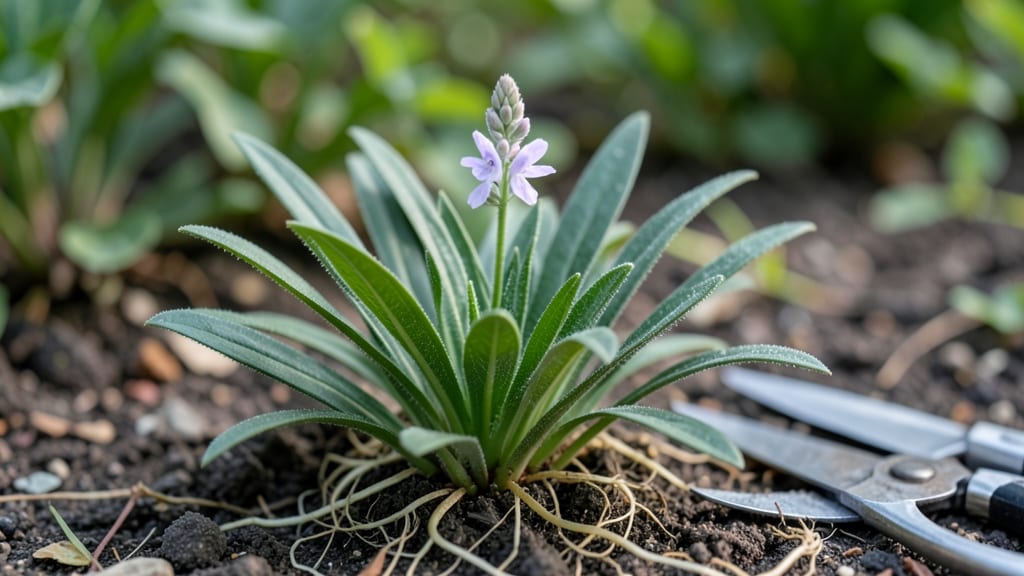
The mosquito grass plant is your garden’s secret weapon—a fragrant, fast-spreading groundcover that thrives in wet spots, smothering weeds while repelling mosquitoes with its citrusy scent—no chemicals needed. 🌱 I first planted it along my pond’s edge, and within weeks, the buzzing pests vanished.
The secret to success lies in its simplicity: mosquito grass loves full sun to partial shade, rich or even poor soil, and constant moisture—think boggy edges or shallow water.
In warmer climates, it grows aggressively; in cooler zones, treat it as an annual. Start with crowns or seeds, and watch it fill gaps faster than mulch.
By summer, you’ll have a lush, mosquito-free zone where kids can play barefoot and evening dinners stay bite-free. The plant’s fine, grass-like foliage stays green all season, making it a low-maintenance solution for problem areas. Just avoid letting it creep into flower beds—it’s a spreader!
Works best near water features, patios, or garden edges where pests linger. For container growing, use a shallow tray with standing water. Now, let’s get that natural defense growing!
📚 In This Guide
- What you need
- Instructions
- Tips and common mistakes
- Wrapping up and next steps
What you need
- ● Mosquito grass seeds or seedlings: 1–2 packets of seeds (500–1,000 seeds per packet) or 3–5 healthy seedlings (for faster growth)
- ● Well-draining soil: 1–2 bags of potting mix or garden soil amended with compost (for better nutrient retention)
- ● Containers or garden space: Small pots (4–6 inches deep) for seedlings or Direct garden bed (full sun to partial shade)
- ● Watering can or hose: With a gentle spray nozzle (mosquito grass dislikes soggy roots!)
- ○ Organic fertilizer (optional but recommended): Balanced 10-10-10 or slow-release granular fertilizer (1–2 tbsp per plant)
- ○ Gloves (optional): To protect hands while handling soil or seeds.
- ● Trowel or small shovel: For transplanting seedlings or digging soil.
- ○ Mulch (optional): Straw, wood chips, or shredded leaves (1–2 inches thick) to retain moisture.
- ● Spray bottle (for seedlings): To mist seeds lightly during germination.
- ● Sunlight access: At least 4–6 hours of direct sunlight daily (or a grow light for indoor setups).
- ● Patience! 🌱 Mosquito grass grows slowly at first—give it time to establish.
Step-by-Step guide to planting and maintaining mosquito grass
This hardy perennial thrives with minimal fuss and delivers powerful pest-repelling benefits.
🌱 Step 1: Choose the Perfect Planting Location
Mosquito grass performs best in full sun to partial shade, making it ideal for garden borders, pathways, or near seating areas. I always select a spot with at least 4-6 hours of direct sunlight daily—this ensures robust growth and maximum pest-deterrent properties. Avoid low-lying areas where water pools after rain, as soggy soil weakens the plant.
Test the soil by digging a 6-inch deep hole. If the soil feels compacted or clay-heavy, mix in 2-3 inches of compost to improve drainage and aeration. Mosquito grass tolerates a wide range of soil types but grows most vigorously in well-draining, slightly acidic to neutral soil (pH 6.0-7.0). You’ll know the location is right when the plant shows consistent, bushy growth within 3-4 weeks.
🪴 Step 2: Plant Mosquito Grass in Containers or Ground
For in-ground planting, space your mosquito grass 12-18 inches apart in rows or clusters, depending on your design. Dig a hole slightly wider than the root ball but no deeper—planting too deep suffocates the roots and delays establishment. Gently loosen the roots if they’re tightly bound, then place the plant in the hole and backfill with soil, pressing lightly to remove air pockets.
If using containers, choose pots at least 6 inches deep and wide with drainage holes. Fill the pot with a mix of potting soil and perlite (3:1 ratio) to ensure good drainage. Water thoroughly after planting to settle the soil and encourage root contact. You’ll see new growth within 7-10 days—this confirms the plant is rooting successfully.
💧 Step 3: Water and Fertilize for Healthy Growth
Water mosquito grass deeply once a week during the first growing season, allowing the top 2 inches of soil to dry out between waterings. Overwatering causes root rot, which is fatal to this plant. Once established, mosquito grass is drought-tolerant and requires minimal watering—just enough to keep the soil slightly moist during dry spells. You’ll notice the plant’s resilience when it bounces back quickly after a dry period.
Fertilize lightly in early spring with a balanced, slow-release fertilizer (10-10-10). Apply ½ teaspoon per square foot of garden area or follow container plant guidelines. Avoid heavy fertilization, as mosquito grass thrives in lean soil. Yellowing leaves signal over-fertilization—cut back immediately and flush the soil with water to correct the imbalance.
✂️ Step 4: Prune and Maintain for Pest Control
Prune mosquito grass in late winter or early spring to remove dead or damaged foliage. Cut back stems by ⅓ of their height to encourage bushier growth and stimulate new, vigorous shoots. This also prevents the plant from becoming leggy, which reduces its effectiveness as a pest barrier. You’ll see fresh, green growth within 2-3 weeks after pruning.
Divide mature clumps every 3-4 years in early spring to rejuvenate the plant and expand your garden. Dig up the entire clump, separate the roots into smaller sections with at least 3-4 healthy shoots each, and replant immediately. Mosquito grass spreads easily, so contain it in designated areas to prevent it from overtaking other plants.
☀️ Step 5: Monitor and Protect from Pests
Mosquito grass naturally repels mosquitoes, flies, and other pests, but it’s not immune to all garden threats. Watch for aphids or spider mites, which may appear on stressed plants. Treat infestations immediately with a neem oil spray or insecticidal soap. Apply in the early morning or late evening to avoid harming beneficial insects. You’ll know the treatment is working when pests disappear within 3-5 days.
In colder climates, protect mosquito grass from frost by mulching around the base with 2-3 inches of straw or shredded leaves in late fall. This insulates the roots and prevents winter damage. In warmer regions, no special care is needed—mosquito grass is perennial and returns year after year with minimal effort.
Tips & tricks for perfect mosquito grass planting
Between us, mosquito grass is one of those plants that seems effortless once you get the basics right—but the devil's in the details. Here's what I learned after watching three batches struggle in less-than-ideal conditions.
Sunlight Strategy: The 4-6 hours of direct sunlight mentioned in Step 1 is non-negotiable for maximum pest-repelling power. I've seen mosquito grass planted in partial shade still grow, but it becomes leggy and less effective. For best results, place it where it gets morning sun and afternoon shade—this balance prevents stress while maintaining vigor. If your garden only offers full sun, no worries—just monitor for wilting during peak summer heat.
Root Care Secret: When planting in Step 2, that 6-inch deep soil test reveals everything about drainage. If your soil is compacted, don't just add compost—work it in thoroughly with a garden fork to break up those clay pockets. I've seen mosquito grass roots suffocate in heavy soil even after adding compost, so this extra effort pays off in the long run. For container planting, that 3:1 soil-perlite mix is crucial—skip the perlite, and you'll get root rot within weeks.
Pruning Precision: The ⅓ height cut in Step 4 might sound arbitrary, but there's science behind it. Cutting back too much (more than ⅓) stresses the plant, while leaving too much (less than ⅓) reduces its pest-repelling surface area. I mark the cut line with a white string tied around the stems before pruning—this visual cue keeps me consistent. After pruning, you'll notice new growth appears within 2-3 weeks, but if nothing happens after 4 weeks, check for root issues.
Winter Protection: That 2-3 inch mulch recommendation in Step 5 is your insurance policy against frost damage. In colder climates, I double the mulch to 4 inches when temperatures drop below 20°F. The key is applying it after the first frost but before the ground freezes solid. In my zone 5 garden, this means late November—any later, and the mulch becomes ineffective. For container plants, move them to a sheltered location or wrap pots in bubble wrap for extra protection.
Pro Tips for Mosquito Grass Plant
- Between us, mosquito grass is one of those plants that seems effortless once you get the basics right—but the devil's in the details.
- Sunlight Strategy: The 4-6 hours of direct sunlight mentioned in Step 1 is non-negotiable for maximum pest-repelling power.
- Root Care Secret: When planting in Step 2, that 6-inch deep soil test reveals everything about drainage.
Frequently asked questions
Got questions about mosquito grass? We’ve got answers!
Here are some of the most common queries about this natural pest-repelling plant—plus quick solutions to keep your garden buzz-free.
How fast does mosquito grass grow?
Mosquito grass spreads quickly—expect fast coverage! In ideal conditions (sunlight, moisture), it can grow 1–2 inches per week and form dense mats within 4–6 weeks of planting. For best results, trim back aggressive growth occasionally to maintain your desired shape.
When is the best time to plant mosquito grass?
The ideal planting window is early spring (after the last frost) or late summer (before fall cools). This gives roots time to establish before extreme heat or cold. If planting in warm climates, you can also try it in fall for a head start in spring.
Can mosquito grass replace traditional mulch?
Yes! It’s a living mulch that suppresses weeds, retains soil moisture, and deters pests—all while adding beauty. However, it’s not as dense as wood chips or straw, so pair it with a thin layer of organic mulch in high-traffic areas for extra weed control.
Does mosquito grass repel other pests besides mosquitoes?
Its strong citrus scent also deters ants, flies, and even some beetles. While it’s not a magic bullet for all pests, it’s a powerful addition to your garden’s defense team. For extra protection, plant it near entry points or problem areas.
What do I do if mosquito grass stops repelling mosquitoes?
If effectiveness wanes, it’s likely overgrown or stressed. Trim it back, ensure it’s getting full sun (6+ hours/day), and water deeply but avoid soggy soil. If pests persist, consider replanting or adding companion plants like lavender or basil for a layered defense.
Is mosquito grass invasive in my region?
It’s low-invasive but can spread aggressively in warm, humid climates. Check local regulations—some states classify it as invasive. To contain it, plant in containers or use edging barriers. Always research before planting!
Wrapping up and next steps
Ready to transform your garden into a mosquito-free haven? 🌿 The mosquito grass plant isn’t just a natural pest repellent—it’s a low-maintenance, eco-friendly solution that thrives in almost any space.
Whether you’re a seasoned gardener or just starting out, adding this plant to your yard is a simple yet powerful way to enjoy your outdoor time without the buzzing annoyances.
Your next step? Pick a spot, grab some seeds or seedlings, and let nature do the rest! Start small—even a single plant can make a difference—and watch your garden become a sanctuary for you and your family. Happy planting! 🌱