
Diseases
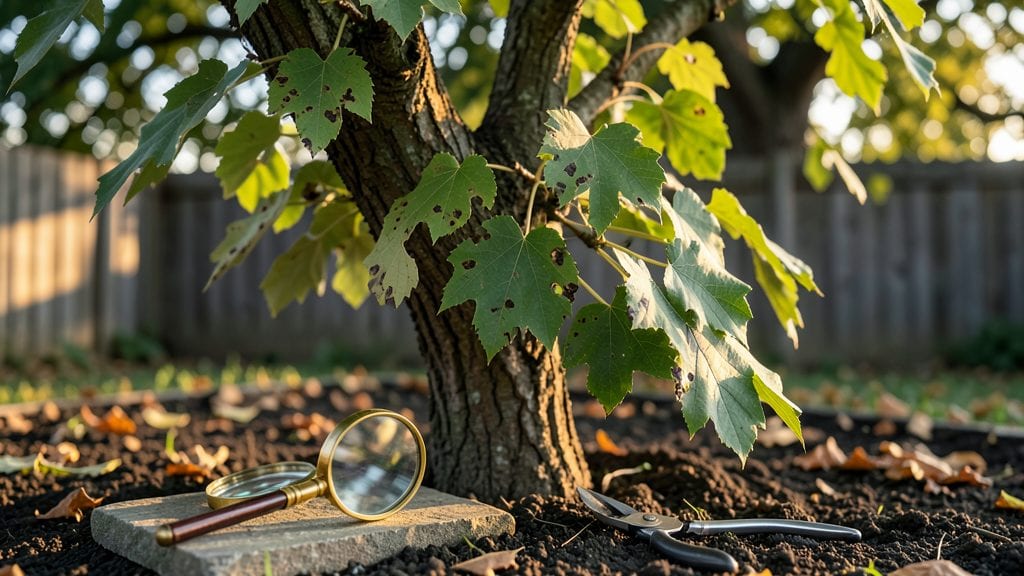
Mulberry plant diseases can turn your lush tree into a shadow of its former self if you don’t act fast. ✨ I’ve seen powdery white fuzz, oozing cankers, and yellowing leaves completely deflate what should be a thriving harvest—until I learned the early warning signs and how to stop them in their tracks.
The worst offenders—like anthracnose, powdery mildew, and root rot—love mulberries because their fast growth and juicy leaves make them a buffet. But here’s the good news: most issues start with simple fixes, like pruning for airflow or adjusting watering habits.
I’ll show you how to spot these diseases early, when treatment is easiest.
You’ll leave this knowing exactly what to look for—from black spots on leaves to strange growths on branches—and how to treat them without harsh chemicals. The key is acting before the disease spreads, and I’ve got the step-by-step plan to save your tree.
Whether you’re dealing with a young sapling or a mature tree, these methods work for all mulberry varieties. Let’s get your tree back to its vibrant, productive self—before next season’s fruit flies in.
Root Causes Behind Mulberry Woes
Understanding why mulberry plants fall victim to diseases is the first step in protecting them. These issues rarely happen in isolation—they’re often the result of a perfect storm of environmental, biological, or cultural factors. Let’s break down the key triggers that turn your thriving mulberry into a struggling survivor.
Mulberry plants thrive in open spaces, but when they’re packed too closely together—or worse, grown in dense, shaded conditions—they become prime targets for fungal infections like anthracnose and powdery mildew.
Why it happens:
- Stagnant air traps moisture, creating a damp microclimate where fungal spores flourish.
- Blocked sunlight weakens leaves, making them more susceptible to pathogens.
- High humidity (common in mulberry groves) accelerates spore germination.
Actionable fix: Space plants 10–15 feet apart (depending on variety) and prune to improve airflow. If growing in containers, ensure pots aren’t stacked tightly.
Mulberry plants are drought-tolerant but hate soggy roots. Overwatering or poor drainage creates the ideal breeding ground for root rot (Phytophthora spp.) and bacterial blight.
Why it happens:
- Excess moisture in soil encourages fungal growth, suffocating roots.
- Inconsistent watering leads to stress, weakening the plant’s defenses.
- Clay-heavy or compacted soil prevents drainage, trapping water at the roots.
Actionable fix:
- Water deeply but infrequently (1–2 inches per week, adjusting for rain).
- Amend soil with compost or perlite to improve drainage.
- Avoid overhead watering—use drip irrigation to keep foliage dry.
Insects like mulberry aphids, scale, and spider mites don’t just sap nutrients—they also create open wounds that invite bacterial and fungal invaders (e.g., sooty mold).
Why it happens:
- Weakened plants (from drought, poor soil, or nutrient deficiency) attract pests.
- Honeydew secretions from sap-sucking insects feed sooty mold, darkening leaves.
- Over-fertilization with nitrogen boosts lush growth that pests love.
Actionable fix:
- Monitor leaves regularly for sticky residue (honeydew) or webbing.
- Use neem oil or insecticidal soap for mild infestations.
- Introduce beneficial predators like ladybugs or lacewings.
Mulberries are hardy but struggle with sudden temperature swings, frost damage, or heat stress—all of which lower immunity and open doors for diseases like canker or leaf spot.
Why it happens:
- Cold snaps (below 20°F) can kill young shoots, creating entry points for bacteria.
- Heatwaves + drought cause leaf scorch, making plants vulnerable to secondary infections.
- Transplant shock (moving mature plants) disrupts root systems, slowing recovery.
Actionable fix:
- Mulch heavily (3–4 inches of straw or wood chips) to regulate soil temp.
- Avoid late-season pruning—wait until dormancy to minimize stress.
- Use frost cloth in winter if your region dips below 15°F.
Poor soil health—whether from deficiencies, excess salts, or pH extremes—weakens mulberries, making them easy prey for pathogens like Verticillium wilt.
Why it happens:
- Low organic matter reduces beneficial microbes that suppress diseases.
- High soil pH (alkaline) locks out iron and manganese, causing yellowing leaves.
- Overuse of synthetic fertilizers disrupts microbial balance.
Actionable fix:
- Test soil pH (ideal range: 6.0–7.0) and amend with sulfur or lime as needed.
- Add compost or worm castings to boost microbial activity.
- Rotate crops if growing mulberries in the same spot year after year.
Some mulberry varieties (like Morus alba) are more prone to diseases than others. If you’re growing susceptible types without preventive care, epidemic outbreaks can occur.
Why it happens:
- No genetic resistance to local pathogens (e.g., mulberry rust in humid climates).
- Old or stressed trees have weaker bark, inviting canker diseases.
- Propagation from infected cuttings spreads diseases like bacterial leaf scorch.
Actionable fix:
- Choose disease-resistant varieties (e.g., Morus rubra or hybrid types).
- Sterilize pruning tools with rubbing alcohol between cuts.
- Remove and destroy heavily infected leaves or branches immediately.
Pro Tip: 💡 Prevention is easier than cure! Healthy mulberries with good airflow, balanced water, and proper nutrition are far less likely to succumb to diseases. Start with soil prep and proper spacing—your plants will thank you with fewer headaches (and more berries!).
Quick Fixes for Mulberry Plant Woes
Now that you’ve identified the troublemakers—whether it’s fungal spots, pest invasions, or nutrient deficiencies—it’s time to roll up your sleeves and restore your mulberry plant to its former glory. Below, we’ve mapped out practical, step-by-step solutions for each common issue, along with prevention tips to keep future problems at bay.
Think of this as your mulberry plant’s emergency repair kit!
🔥 Remove the Problem:
- Prune infected leaves 🌿—Use clean, sharp pruners to snip off yellowed, spotted, or powdery leaves. Dispose of them in the trash (not your compost bin!).
- Space out plants 🌳—Ensure 3–4 feet of airflow between mulberry trees or shrubs to reduce humidity buildup.
🍳 Treat with Fungicides:
- Organic option: Mix 1 tbsp baking soda + 1 tsp neem oil + 1 tsp dish soap + 1 gallon water in a spray bottle. Apply every 7–10 days until new growth appears.
- Chemical option: Use a copper-based fungicide (like Bordeaux mixture) or a systemic fungicide (e.g., myclobutanil) as directed on the label.
👨🍳 Prevent Future Outbreaks:
- Water at the base 💧—Avoid overhead watering, especially in the evening.
- Mulch properly 🌾—Use straw or wood chips (not thick layers) to keep soil moist but not soggy.
- Rotate crops 🌱—If growing mulberries in a garden, avoid planting them in the same spot year after year.
🔪 Blast Off the Invaders:
- Blast with water 💦—For aphids or spider mites, spray the undersides of leaves with a strong stream of water to knock them off.
- Introduce beneficial insects 🐞—Ladybugs, lacewings, and parasitic wasps (like Aphidius colemani) are natural predators. Buy them online or attract them with dill or fennel plants.
🥘 DIY Pest Repellents:
- Neem oil spray 🌿—Mix 1 tbsp neem oil + 1 tsp mild soap + 1 quart water. Spray every 3–5 days until pests vanish.
- Insecticidal soap 🧼—Spray directly on pests (avoid hot sun to prevent leaf burn).
- Diatomaceous earth 🪨—Sprinkle a thin layer around the base of the plant (reapply after rain).
⏰ Long-Term Defense:
- Install fine mesh netting 🕸️—Cover young plants to block mulberry pyralid moths from laying eggs.
- Encourage biodiversity 🌍—Plant marigolds, basil, or garlic nearby to repel pests naturally.
- Monitor regularly 🔍—Check leaves weekly for early signs of infestation.
📊 Diagnose & Supplement: Use this quick leaf color chart to identify deficiencies:
| Symptom | Likely Deficiency | Solution |
|---|---|---|
| Yellow lower leaves | Nitrogen (N) | Apply balanced fertilizer (10-10-10) or compost tea every 4–6 weeks. |
| Purple stems/leaves | Phosphorus (P) | Use bone meal or a phosphorus-rich fertilizer (5-10-10). |
| Brown leaf edges | Potassium (K) | Feed with wood ash or a potassium sulfate supplement. |
| Pale green leaves | Magnesium (Mg) | Spray Epsom salt solution (1 tbsp per gallon of water) monthly. |
💡 Pro Tips for Soil Health:
- Test your soil 🧪—Use a home soil test kit to check pH (mulberries prefer 6.0–7.0).
- Avoid over-fertilizing 🚫—Too much nitrogen = weak growth, more pests. Stick to slow-release fertilizers.
- Mulch with compost 🌱—Top-dress with 1–2 inches of compost annually to replenish nutrients.
🌿 Adjust Care for Extreme Conditions:
- Heat stress (wilting, crispy edges):
- Shade cloth 🏖️—Install 30–50% shade cloth during peak summer if in a hot climate.
- Deep watering 💦—Water slowly at the base (1–2 inches per week) rather than frequent shallow watering.
- Cold damage (blackened leaves, bark cracks):
- Wrap young trees ❄️—Use burlap or tree wrap in winter to protect from frost.
- Avoid pruning in late fall ⏳—Wait until early spring to trim damaged branches.
- Drought recovery:
- Mulch heavily 🌾—Apply 3–4 inches of mulch to retain moisture.
- Root stimulator 🌱—Use a mycorrhizal fungus or seaweed extract to revive roots.
🎯 Prevention Checklist: ✅ Acclimate plants 🌡️—Gradually introduce mulberries to new climates over 2–3 weeks. ✅ Choose the right location ☀️—Mulberries need full sun (6+ hours/day) but may need afternoon shade in scorching areas. ✅ Monitor weather alerts 📢—Protect plants during unexpected freezes or heatwaves.
Final Thought: Most mulberry plant diseases and pests are preventable with consistent care. Once you’ve treated the issue, stay vigilant—regular checks and proactive measures will keep your mulberry thriving for years! 🌳💚
Frequently asked questions about mulberry plant diseases
What are the first signs that my mulberry tree might have a disease?
Watch for yellowing leaves, black or brown spots, or white powdery coatings on foliage—these are classic red flags. Early symptoms also include stunted growth, oozing cankers on branches, or curling leaves. Catching these signs early lets you treat the issue before it spreads.
Can mulberry plants recover from fungal diseases like powdery mildew?
Yes! With prompt action, mulberries can bounce back. Prune infected leaves immediately, improve airflow by spacing plants 10–15 feet apart, and apply a baking soda-neem oil spray weekly. Severe cases may need a copper fungicide, but most trees recover fully if you act within 2–3 weeks.
Why do my mulberry leaves turn yellow even when I’m watering regularly?
Yellowing leaves often signal nutrient deficiencies or root stress, not just overwatering. Check for chlorosis (pale green/yellow)—this usually means iron or magnesium deficiency. Try spraying Epsom salt solution (1 tbsp/gallon) or adding compost to the soil. If roots are waterlogged, improve drainage with perlite.
Is it safe to use chemical fungicides on mulberry trees?
Chemical fungicides like copper-based sprays or myclobutanil are effective but should be a last resort. Always follow label instructions to avoid harming beneficial insects or contaminating fruit. For organic growers, neem oil or potassium bicarbonate sprays work well as alternatives.
How can I prevent mulberry diseases before they start?
Focus on proactive care: space plants for airflow, water at the base (not overhead), and mulch with straw or wood chips. Prune regularly to remove dead branches, and avoid planting mulberries in shaded or waterlogged areas. Testing soil pH (6.0–7.0) and using balanced fertilizers also builds disease resistance.