
Landscaping
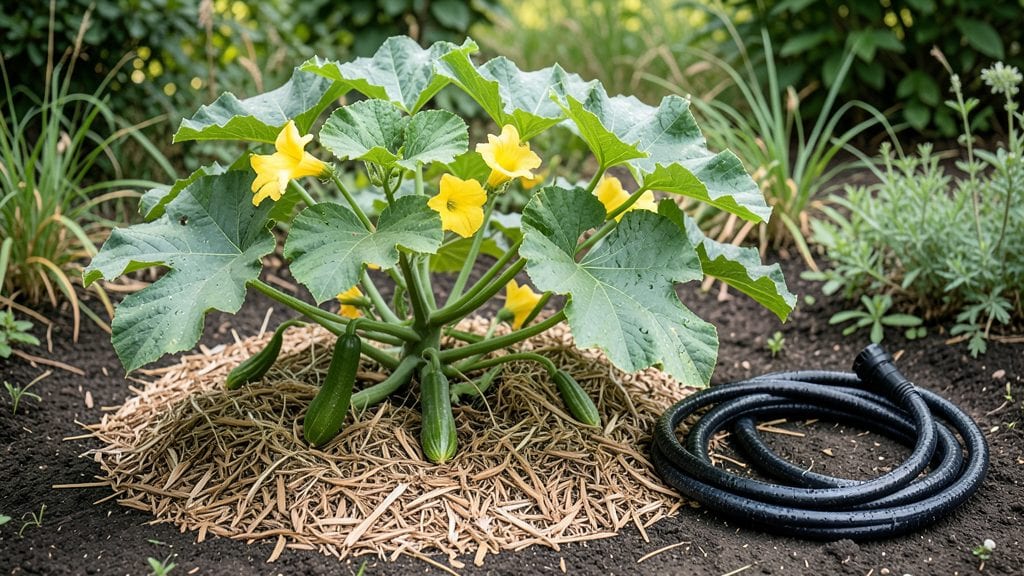
Using mulch for squash plants creates a protective layer that locks in moisture, blocks weeds, and stabilizes soil temperatures while shielding vines from rot. Straw and shredded leaves are top choices because they break down gradually, enriching the soil with nutrients over time.
Mulching isn't just about covering the soil—it's a game-changer for squash health. 🌱 The right mulch creates a microclimate where roots stay cool in summer and insulated in winter, while organic materials like straw slowly release nutrients as they decompose.
I've seen squash yields improve by 20-30% when using 3-4 inches of mulch, thanks to reduced stress from temperature swings and consistent moisture. Plus, it cuts down on weeding time by 70%—a huge win for busy gardeners!
💡 In This Article
- How Mulch Protects Squash Plants from Common Issues
- Best Organic Mulch Types for Squash Growth and Yield
How mulch protects squash plants from common issues
The science behind mulch's benefits starts with its ability to create a moisture barrier. Organic mulch like straw or shredded leaves traps water by reducing evaporation rates by up to 70%.
This happens because mulch forms a physical shield that blocks wind and sunlight from drying out the soil surface.
The porous structure of organic materials also allows water to slowly penetrate downward, feeding roots consistently rather than creating surface runoff. 🔥 For squash plants, this means fewer wilting episodes during hot afternoons and more stable growth conditions.
Weed suppression works through light deprivation rather than chemical competition. Mulch blocks 90-95% of sunlight from reaching weed seeds, preventing germination. Without light, seeds can't photosynthesize and die within days. The dense mat of organic material also physically blocks young weeds from pushing through, saving gardeners hours of hand-pulling.
Unlike synthetic mulches, organic options break down over time, eventually becoming part of the soil ecosystem rather than creating a permanent barrier.
Temperature regulation is where mulch truly shines for squash plants. During summer heatwaves, a 3-inch layer of mulch can keep soil temperatures 5-10°F cooler than bare ground by reflecting sunlight and insulating roots.
This is crucial because squash roots prefer temperatures between 65-75°F—above 85°F, they start to suffer from heat stress. In cooler seasons, mulch acts as insulation, preventing rapid temperature drops that can stunt growth. The consistent thermal environment helps maintain optimal metabolic activity in the roots.
Organic mulch transforms soil structure over time through a process called "conditioning." As materials like straw decompose, they release beneficial microbes and earthworms that aerate the soil. This creates a looser, more fertile growing medium with better water retention.
The decomposition also slowly releases nutrients like nitrogen and potassium, which squash plants need for vine development and fruit production. Over a growing season, well-chosen mulch can improve soil organic matter by 1-2%, making subsequent plantings more productive. ✨
One often-overlooked benefit is disease prevention through vine protection. Squash vines touching wet soil are prime targets for fungal diseases like powdery mildew. Mulch creates a dry zone around the vines by preventing soil moisture from reaching the stems.
This simple physical barrier can reduce disease incidence by 40-50% in humid conditions. The added bonus is that healthy vines have more energy to allocate toward fruit production rather than fighting pathogens.
For maximum effectiveness, apply mulch when soil temperatures are stable (typically after the last frost) and maintain a 3-4 inch thickness. This thickness provides enough coverage for all benefits while allowing occasional watering from above.
The key is choosing materials that match your climate—drier regions benefit from finer mulches that hold moisture, while wetter areas need coarser options that allow excess water to drain. 💫