
Plants
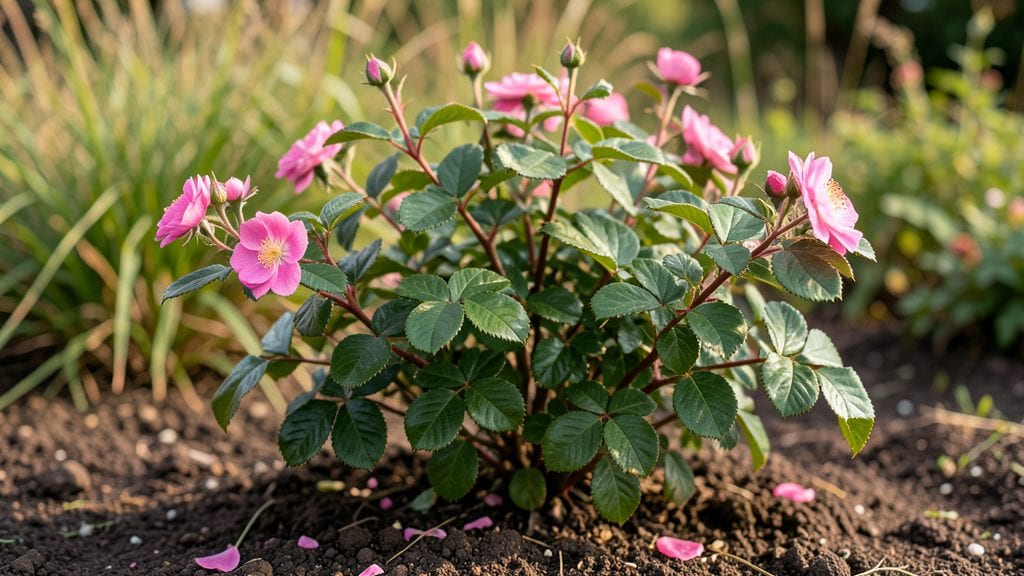
Naming thorny plants is the first step to turning your prickly patch into a manageable (and even useful) part of your garden 🌿.
Walking through your garden should never feel like navigating a minefield—but if you’ve got thorny plants, it’s time to identify them before they turn your green space into a prickly problem.
Whether they’re sneaking up along your fence or crowding out your prized perennials, knowing their names helps you control them without losing your sanity (or your skin).
From roses that protect your roses to hawthorns that add structure to your landscape, these spiky plants aren’t just nuisances—they can be valuable additions if you know how to handle them.
Below, I’ll walk you through the most common types, their quirks, and how to keep them from turning your yard into a thorny nightmare.
You’ll learn how to spot them early, what to plant nearby to keep them in check, and even a few surprises—like which thorny plants actually enhance your garden’s beauty and function. Let’s get started!
Common thorny plants you need to identify for garden safety
Thorny plants can add beauty and structure to your garden, but their sharp defenses also mean potential hazards. Knowing how to name thorny plants and recognize their growth patterns helps you manage them safely before they spread uncontrollably.
Some species, like blackberries or honeylocust trees, can become invasive if left unchecked, while others like roses or pyracantha are prized for their ornamental value. The key is spotting them early—whether they're creeping along fences or towering over your landscape.
Thorns serve as natural protection, but they can also make gardening tasks like pruning or harvesting a painful experience. Many thorny plants thrive in full sun and well-draining soil, making them resilient in tough conditions.
Some even produce edible fruits or vibrant flowers, balancing their prickly nature with practical benefits. However, without proper identification, you might accidentally encourage an unwelcome guest in your garden.
| Plant Name | Thorn Type | Growth Habit | Height Range | Key Features |
|---|---|---|---|---|
| Blackberry | Curved, sharp | Perennial vine | 5–15 ft | Edible berries, aggressive spread |
| Rose (Wild & Cultivated) | Straight or hooked | Shrub or climbing vine | 3–10 ft | Fragrant flowers, thorns vary by variety |
| Honeylocust Tree | Thick, woody | Large tree | 30–50 ft | Drought-tolerant, invasive roots |
| Pyracantha | Fine, dense | Evergreen shrub | 6–12 ft | Bright berries, wildlife-friendly |
| Acacia (e.g., Koa) | Thin, needle-like | Tree or shrub | 10–30 ft | Drought-resistant, fast-growing |
| Barberry | Sharp, clustered | Shrub | 3–6 ft | Ornamental foliage, berries for birds |
| Hawthorn | Stout, rigid | Tree or shrub | 15–25 ft | White flowers, wildlife magnet |
One of the first steps in managing thorny plants is learning to name thorny plants by their unique characteristics.
For example, blackberries have arching canes with sharp, curved thorns that grip anything they touch, while roses often feature straight, hooked thorns along their stems. Honeylocust trees, on the other hand, develop thick, woody thorns that can make them nearly impassable once established.
Pay attention to leaf shape and arrangement—some thorny plants, like acacias, have compound leaves, while others like hawthorns have simple, serrated edges.
If you're dealing with a thorny vine climbing your fence or trellis, it’s likely a blackberry or multiflora rose. These plants spread rapidly and can overtake garden beds if not controlled. Pyracantha, another common offender, produces dense clusters of fine thorns and bright red berries that birds love.
While it’s great for wildlife, its aggressive growth can quickly turn your
How to control and manage thorny plants without harming your garden
Thorny plants can add beauty and structure to your garden, but they also demand respect—especially when they start crowding out your prized flowers or making weeding a painful chore. The key to managing them lies in understanding their growth habits and using the right techniques to keep them in check.
Whether you're dealing with sprawling blackberry canes, dense hawthorn hedges, or delicate but prickly roses, a few strategic moves can make all the difference.
Before reaching for harsh chemicals, try organic methods like pruning, mulching, or even strategic plant placement. These approaches not only protect your garden’s health but also minimize the risk of injury while keeping thorny plants from taking over.
The best time to act is early spring or late fall, when plants are either waking up or winding down, making them more resilient to trimming and less likely to spread aggressively.
- 1. Prune Strategically: Use bypass pruners or loppers to trim back overgrown branches in late winter or early spring. For roses, cut back to outward-facing buds to encourage airflow and reduce disease. Always wear thick gloves and long sleeves to avoid thorns.
- 2. Mulch Heavily: Apply a 3-4 inch layer of mulch (wood chips or straw) around the base of thorny plants to suppress weeds and limit their spread. Replenish mulch annually to maintain effectiveness.
- 3. Use Organic Barriers: Install landscaping fabric or cardboard barriers around the root zone of invasive species like blackberries or honeylocust trees to block underground runners.
- 4. Hand-Pull Young Sprouts: For small thorny seedlings, like multiflora rose, pull them by hand when the soil is moist. This is most effective in spring or fall when the ground is softer.
- 5. Vinegar Spray for Spot Treatment: Mix 1 gallon of vinegar, 1 cup of salt, and 1 tbsp of dish soap to create a natural herbicide. Spray directly on undesired thorny growth on sunny days to avoid damaging nearby plants.
- 6. Plant Competitors: Introduce fast-growing ground covers, like creeping thyme or clover, to outcompete thorny weeds for space and nutrients.
- 7. Seasonal Maintenance: Schedule quarterly checks in spring, summer, and fall to remove new growth before it becomes established. Consistency is key to long-term control.
Timing your interventions matters just as much as the methods you choose. For example, pruning roses in late winter encourages vigorous new growth, while mulching hawthorns in early spring helps smother emerging shoots. Always prioritize dry, sunny days for pruning to reduce stress on the plant and minimize disease risk.
If you’re dealing with a particularly aggressive species like brambles, consider cutting them back to the ground in fall to weaken their root system before regrowth begins in spring.
When selecting tools, invest in high-quality pruning shears, loppers, and thick gardening gloves. A pruning saw comes in handy for thicker branches, while a weeding tool with a long handle helps you avoid reaching into thorny thickets.
Disinfect your tools with rubbing alcohol between cuts to prevent the spread of fungal diseases or bacterial infections. For larger plants, like thorny locust trees, you might need a pole saw to safely reach high branches without climbing.
If organic methods aren’t enough, consider smothering with black plastic sheeting for aggressive spreaders. Lay the plastic over the area for 6-12 months to block sunlight and kill the plant’s roots.
This works best for small patches and requires patience, but it’s chemical-free and effective. Always check local regulations before using smothering techniques, as some areas restrict their use.
Remember, thorny plants aren’t all bad—they can provide privacy, wildlife habitat, and even edible fruits if managed well. The goal isn’t to eradicate them entirely but to balance their presence with your garden’s other needs.
With the right approach, you can enjoy their benefits without the headaches. Start small, stay consistent, and soon your garden will feel like a safe haven—not a battlefield.