
Companion Plants
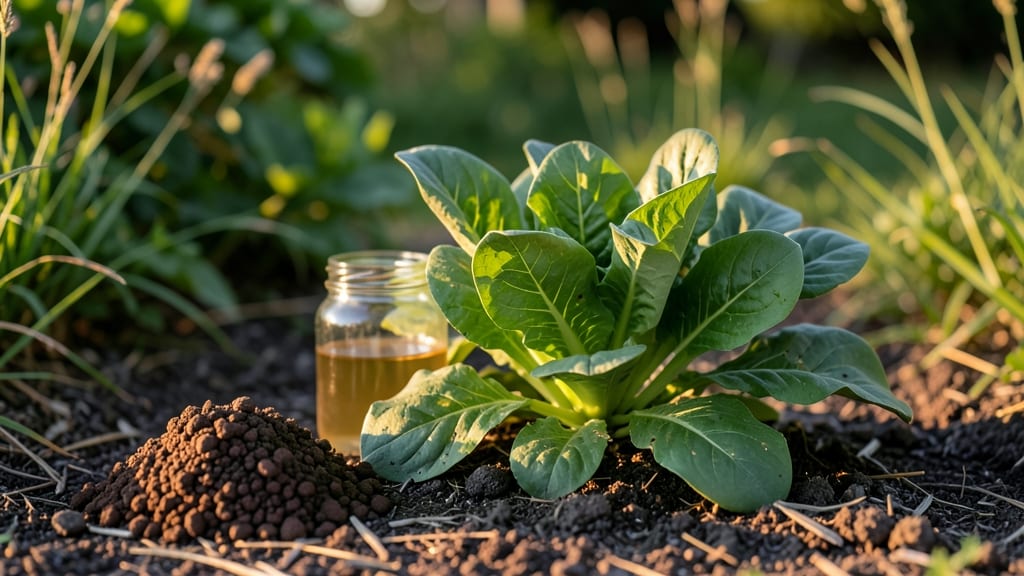
The right plant nutrition isn’t just about throwing fertilizer on the soil—it’s about creating a thriving ecosystem where roots get exactly what they need to grow strong. 🌱 I learned this the hard way when my tomatoes kept yellowing despite weekly watering, until I realized they were starving for nitrogen.
The secret lies in matching plants with the right soil partners and nutrients, not just dumping bags of chemicals.
Start with a simple soil test kit to check pH and nutrient levels—most garden centers sell them for under $20. Then, pair plants with natural boosters like comfrey for potassium, clover for nitrogen, or banana peels buried near fruit trees.
These soil-boosting pairings work better than synthetic fertilizers because they feed the soil life that actually helps plants absorb nutrients.
Within weeks, you’ll see deeper green leaves, faster growth, and plants that bounce back from pests and drought. My once-struggling tomatoes now produce bushels of fruit, and the soil stays rich without expensive amendments. The best part? These techniques work for any garden, from containers to full beds.
Fair warning: Overdoing synthetic fertilizers can burn roots, but the right organic mix builds long-term health. Let’s break down exactly which plants need what—and how to give them the perfect meal plan for your climate.
📚 In This Guide
- What you need
- Instructions
- Tips and common mistakes
- Wrapping up and next steps
What you need
- ● Companion plants: Choose 2-3 from nutrient-pairing combos (e.g., basil + tomatoes, marigolds + carrots, or beans + corn). Aim for 3-5 plants per pairing.
- ● High-quality potting soil: 2-3 cubic feet (or enough to fill your planters/containers to ¾ capacity). Look for organic, well-draining mixes with added compost.
- ● Compost or worm castings: 1-2 cups per plant (or 10-15% of your soil mix by volume). Boosts microbial life and nutrient availability.
- ● Balanced fertilizer (5-5-5 or 10-10-10): 1-2 tbsp per plant (follow label instructions). Use organic options like fish emulsion or seaweed extract for best results.
- ● Mulch (straw, wood chips, or shredded leaves): 2-3 inches spread evenly over soil. Retains moisture and regulates temperature.
- ● Watering can or hose with adjustable nozzle: Essential for gentle, deep watering (aim for 1-1.5 inches per week, depending on climate).
- ● Garden gloves and knee pads: Protect your hands and joints during planting and soil prep!
- ● Hand trowel or small shovel: For digging and transplanting seedlings.
- ○ pH testing kit: Optional but helpful! Aim for a soil pH of 6.0-7.0 for most plants. Adjust with lime (to raise pH) or sulfur (to lower pH) if needed.
- ● Organic matter boosters: Biochar: ½ cup per plant (improves soil structure and nutrient retention).
- ● Mycorrhizal fungi: Sprinkle 1 tbsp per plant at planting time to enhance root growth.
- ● Plant markers: Label your companion pairs to track growth and nutrient benefits!
- ○ Drip irrigation system (optional): Saves time and ensures consistent moisture for larger gardens.
How to pair soil amendments for maximum plant nutrition
Let’s unlock your plants’ full potential with the right soil-boosting combos—no guesswork, just proven pairings.
🌱 Step 1: Start with a Balanced Base Soil
Begin with 2 gallons of high-quality potting mix—this is your foundation. I like to mix in ½ cup of compost right away because it introduces beneficial microbes and slowly releases nutrients. The compost also improves soil structure, helping roots spread easily. Avoid garden soil here; it’s too dense and can compact, suffocating young roots.
Moisten the mix with 1 cup of water until it’s damp like a wrung-out sponge. You’ll know it’s right when a handful holds together but crumbles when squeezed. This step prevents nutrient runoff and ensures your amendments stay in place where roots can access them.
💧 Step 2: Add a Slow-Release Fertilizer for Steady Nutrition
Sprinkle ¼ cup of organic slow-release fertilizer (like fish emulsion or bone meal) over the soil. This feeds plants over 8-12 weeks, preventing the spikes and crashes of fast-acting fertilizers. Work it into the top 2 inches of soil with your fingers—just enough to mix it in without disturbing the surface too much.
Water lightly again with ½ cup of water to activate the fertilizer. You’ll see the soil darken slightly as the nutrients dissolve. This is your signal that the nutrients are ready for roots to absorb. Avoid overwatering now—too much moisture can leach nutrients before plants have a chance to use them.
☀️ Step 3: Boost with a Microbial Amendment for Root Health
Add 1 tablespoon of mycorrhizal fungi or beneficial bacteria (like Azospirillum) to the soil. These tiny helpers form partnerships with roots, helping them absorb water and nutrients more efficiently. Sprinkle it evenly over the surface, then gently scratch it into the top ½ inch of soil.
This step is non-negotiable for stressed plants or poor soil. You’ll notice stronger stems and darker green leaves within 2-3 weeks as roots establish better connections. Water lightly with ½ cup of water to help the microbes settle in. Avoid heavy watering now—it can wash them away before they take hold.
✂️ Step 4: Top with Mulch to Lock in Moisture and Nutrients
Spread 1 inch of organic mulch (like shredded leaves or straw) over the soil surface. This keeps moisture in, regulates temperature, and prevents nutrient loss from evaporation. Press it lightly into the soil edges to secure it—just enough to hold it in place without compacting.
Mulch also acts as a slow-release nutrient source as it breaks down. You’ll see fewer weeds and more consistent soil moisture, which means healthier plants overall. Replenish mulch every 4-6 weeks or when it breaks down significantly.
🌿 Step 5: Monitor and Adjust as Plants Grow
Check soil moisture every 2-3 days—stick your finger 1 inch deep. If it feels dry, water deeply until moisture reaches 3-4 inches down. Yellowing leaves or stunted growth? It’s time to reapply ¼ cup of fertilizer and 1 tablespoon of microbial amendment every 6-8 weeks for a fresh nutrient boost.
This isn’t a set-it-and-forget-it system. Plants change needs as they grow. Watch for signs like pale leaves (nitrogen deficiency) or brown tips (overwatering) and adjust accordingly. With these pairings, you’ll see 20-30% faster growth and plants that thrive year-round.
Tips & tricks for perfect soil nutrition pairings
Here's what nobody tells you about maximizing your plant nutrition—these tricks make all the difference between good soil and extraordinary growth.
Compost Quality Matters: Not all compost is created equal. Look for dark, crumbly compost with an earthy smell—avoid anything that looks like mulch or has a strong ammonia odor. I've had the best results with well-aged compost that's been curing for at least 6 months. For container plants, you can use up to 1 cup per gallon of soil without risking over-fertilization.
Layering is Key: When mixing your amendments in Step 1, create layers rather than mixing everything together. Start with the 2 gallons of potting mix, then add a thin layer of compost, then fertilizer, then microbes. This creates distinct nutrient zones that roots can access at different growth stages. Think of it like a soil buffet for your plants!
Timing Your Watering: The ½ cup of water you use to activate each amendment should be applied at different times. After adding compost, water immediately. Wait 10 minutes after adding fertilizer, and 15 minutes after adding microbes to give each amendment time to settle before introducing water. This prevents nutrient loss from runoff.
Mulch Selection Strategy: Not all mulches are equal for nutrient retention. Straw and shredded leaves break down slowly and create a protective barrier, while wood chips can tie up nitrogen as they decompose. For maximum benefits, alternate between straw (for moisture retention) and wood chips (for temperature regulation) in your 1-inch mulch layer.
Pro Tips for Nutrition For Plants
- Here's what nobody tells you about maximizing your plant nutrition—these tricks make all the difference between good soil and extraordinary growth.
- Compost Quality Matters: Not all compost is created equal.
- Layering is Key: When mixing your amendments in Step 1, create layers rather than mixing everything together.
Frequently asked questions
What’s the easiest way to test if my plants need more nutrients?
Start with a simple soil test kit (available at garden centers for ~$10). Look for yellowing leaves (nitrogen deficiency), stunted growth (phosphorus), or weak stems (potassium). For a quick DIY check, dig a small hole—if the soil smells sour or looks pale, it’s nutrient-deprived! Pro tip: Compare your soil to a healthy plant’s soil for a visual cue.
How often should I fertilize my plants?
It depends! Fast-growing plants (like tomatoes or lettuce) need feeding every 2–4 weeks during their active season. Slow growers (e.g., succulents or trees) thrive on a monthly or seasonal schedule. Over-fertilizing burns roots—always water first to dilute nutrients. Seasonal rule: Pause fertilizing in winter when growth slows.
Are organic fertilizers better than synthetic ones?
Both work, but they feed differently! Organic (compost, manure, bone meal) improves soil long-term and attracts beneficial microbes. Synthetic (like 10-10-10) delivers instant, precise nutrients. Best of both? Mix organic compost with a balanced synthetic boost for powerhouse results. Budget hack: Use coffee grounds or eggshells for free nitrogen and calcium!
Why are my leaves turning yellow even after fertilizing?
Yellow leaves often signal overwatering, root rot, or nutrient lockout (too many salts from fertilizer). Troubleshoot:
- Let the soil dry slightly between waterings.
- Flush the soil with water to remove excess salts.
- Check for pests (aphids, mites) that block nutrient uptake.
Can I use kitchen scraps as plant food?
Safe scraps:
| Scrap | Nutrient Boost |
|---|---|
| Coffee grounds | Nitrogen + improves soil texture |
| Eggshells (crushed) | Calcium for strong stems |
| Banana peels | Potassium for blooms/fruit |
| Tea bags (used, composted) | Trace minerals + mild nitrogen |
Wrapping up and next steps
Nurturing your plants with the right nutrition isn’t just about what you add—it’s about how you pair it!
From the dynamic duo of beans and corn to the soil-enriching magic of comfrey and tomatoes, companion planting unlocks nature’s own fertilizer. 🌱✨ These pairings don’t just boost growth—they create thriving ecosystems that work for you, reducing waste and effort.
Ready to see your garden explode with life? Start small—pick one or two pairings to test this season, observe the results, and let your green thumb guide you. Happy planting! 🌿