
Diseases
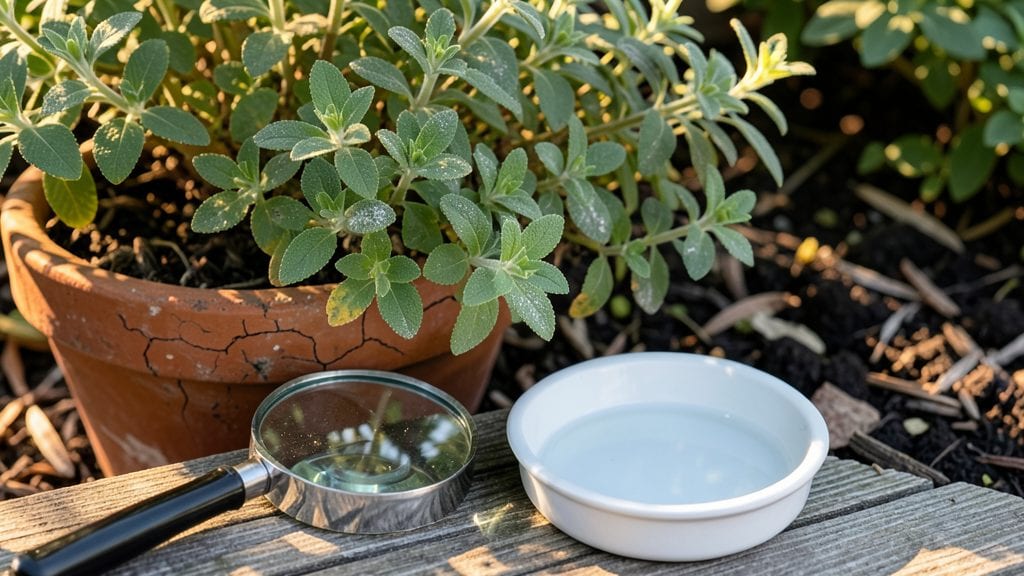
Oregano plant diseases can turn your fragrant herb garden into a sad, wilted mess if you don’t catch them early. I’ve seen my own oregano go from lush and green to brown and crispy in just a few weeks—until I learned these key signs and fixes that actually work.
The good news? Most issues have simple, organic solutions that keep your plants thriving without harsh chemicals.
Fungal infections like powdery mildew and root rot are the biggest culprits, often showing up when plants get too wet or crowded. Bacterial leaf spot can also creep in, leaving yellow spots that spread fast if humidity stays high.
The key to prevention is spacing plants properly, watering at the base (not overhead), and giving them plenty of airflow—simple habits that make all the difference.
Once you spot trouble, act fast with neem oil sprays, copper fungicides, or even a baking soda mix for mildew. I’ve saved multiple plants by catching diseases early and treating them right away. With the right care, your oregano will stay vibrant, fragrant, and ready to harvest all season long.
This guide covers everything from spotting symptoms to long-term prevention, so you can keep your oregano healthy no matter what Mother Nature throws at it. Let’s get those plants back in top shape!
Root Causes Behind Oregano Ailments
Oregano plants, like all herbs, are susceptible to diseases due to a mix of environmental stressors, pathogen attacks, and poor cultural practices. Understanding why these issues arise is the first step to preventing them.
Below, we break down the key culprits—from fungal invaders to human errors—that turn your thriving oregano into a struggling survivor.
🌱 Fungal Infections: The Silent Invaders
Fungi thrive in moist, warm conditions, making them the #1 cause of oregano diseases. Here’s how they strike:
- Excess Moisture: Oregano roots need drainage, but soggy soil (from overwatering or poor containers) creates the perfect fungal buffet. Pathogens like Phytophthora and Pythium exploit waterlogged conditions to rot roots and stems.
- Stagnant Air: Dense foliage or crowded plants trap humidity, inviting Botrytis (gray mold) and Alternaria leaf spot. These fungi spread via spores, turning leaves brown and crispy.
- Wound Entry Points: Pruning cuts or storm damage create open doors for fungal spores. Verticillium wilt, for example, sneaks in through stem wounds, clogging xylem vessels and stunting growth.
Pro Tip: 💡 Space plants 12–18 inches apart to improve airflow, and water at the base (not overhead) to keep leaves dry.
🦠 Bacterial Threats: Fast and Foul
Unlike fungi, bacteria multiply rapidly, often triggered by:
- Contaminated Tools: Pruners or knives carrying Xanthomonas or Pseudomonas bacteria can infect cuts, causing bacterial leaf spot (yellow-brown lesions with watery edges).
- Splashing Water: Overhead irrigation or rain splashes spread bacteria between plants. Erwinia soft rot, for instance, turns stems mushy and collapses stems overnight.
- Stress from Heat/Cold: Sudden temperature swings weaken oregano’s defenses, making it vulnerable to Clavibacter, which causes wilting and vascular discoloration.
Pro Tip: 🌡️ Sterilize tools with 70% rubbing alcohol between cuts, and avoid watering in late evening to reduce bacterial spread.
🐛 Pests as Disease Carriers
Insects don’t just nibble—they spread diseases. Here’s how:
- Aphids & Whiteflies: These sap-suckers excrete honeydew, a sticky film that fosters sooty mold (a black fungal growth). The mold blocks sunlight, weakening the plant.
- Spider Mites: Their feeding scars create entry points for fungal infections like powdery mildew, which thrives on stressed oregano leaves.
- Root-Knot Nematodes: Microscopic worms burrow into roots, causing galls that disrupt nutrient uptake. Infested plants become stunted and yellow.
Pro Tip: ✨ Introduce beneficial nematodes (like Steinernema) or neem oil sprays to deter pests before they become a problem.
🌡️ **Environmental Stressors: When Conditions Turn Against You
Oregano is hardy, but extreme or inconsistent conditions invite disease:
| Factor | Disease Risk | Fix It |
|---|---|---|
| Poor Soil Drainage | Root rot (Rhizoctonia) | Amend soil with perlite/sand; use raised beds. |
| Low Light | Powdery mildew (weakened leaves) | Move to 6+ hours of sunlight daily. |
| Over-Fertilization | Bacterial/fungal blooms (excess nitrogen) | Use balanced fertilizer (10-10-10) sparingly. |
| Sudden Temperature Drops | Fungal leaf spots (Septoria) | Mulch to insulate roots; avoid nighttime watering. |
Pro Tip: 🎯 Monitor soil pH (6.0–7.0 is ideal)—acidic or alkaline soil stresses plants, making them disease magnets.
Most oregano diseases are preventable with proactive care. The key? Healthy plants resist pathogens—so focus on airflow, drainage, and stress reduction. Next up: How to Stop Diseases Before They Start.
Quick Fixes for Sick Oregano Plants
When your oregano plant starts showing signs of distress—whether it’s yellowing leaves, spots, or stunted growth—acting fast can save it. Below are practical, step-by-step solutions tailored to the most common oregano diseases, along with prevention tips to keep your herb thriving. 🌿💪
Fungal diseases thrive in damp, poorly ventilated conditions, but they’re often reversible with the right care.
🔥 Remove Infected Foliage Immediately
- How: Snip off yellow, spotted, or moldy leaves with clean scissors. Dispose of them in the trash (not compost) to prevent spread.
- Pro Tip: 💡 Sterilize your tools with rubbing alcohol (70% or higher) before and after pruning to avoid cross-contamination.
🍳 Apply Fungicide (Natural or Store-Bought)
- For mild cases: Mix 1 tsp baking soda + 1 quart water + a few drops of dish soap (as a surfactant).
Spray leaves thoroughly every 7–10 days. - For severe outbreaks: Use a copper-based fungicide (like Bonide Copper Fungicide) or neem oil spray (1 tbsp neem oil + 1 tsp mild soap per quart of water).
Reapply every 7–14 days until symptoms fade. - Pro Tip: 🌡️ Water in the morning to let foliage dry quickly—fungi love moisture!
👨🍳 Improve Airflow & Light
- Thin out crowded plants by spacing them 12–18 inches apart.
- Prune for better airflow—remove overgrown branches blocking sunlight.
- Move to a sunnier spot (6+ hours of direct sun daily). Oregano hates humidity!
🎯 Prevention Checklist
✅ Water at the base (avoid wetting leaves). ✅ Space plants properly to reduce humidity. ✅ Rotate crops if growing oregano in the same spot yearly (fungi build up in soil). ✅ Use mulch sparingly (if at all)—organic mulch can trap moisture.
Pests weaken plants, making them vulnerable to diseases. Here’s how to kick them out for good.
🔪 Blast Off Pests with Water
- How: Use a strong stream of water to dislodge aphids or mites from leaves. Repeat every 2–3 days until gone.
- Pro Tip: 💡 Early morning spraying works best—pests are sluggish then!
🥘 Introduce Beneficial Insects
- Ladybugs, lacewings, or parasitic wasps devour pests naturally. Buy them online or from garden centers.
- Neem oil spray (1 tbsp neem oil + 1 tsp soap per quart of water) disrupts pest life cycles. Spray every 5–7 days for 2–3 weeks.
🌿 Isolate Infested Plants
- Move affected plants away from healthy ones to prevent spread.
- Check the undersides of leaves daily—pests love hiding there!
✨ Prevention Tips
🔹 Inspect new plants before bringing them home (quarantine for 2 weeks). 🔹 Encourage predators like birds and predatory mites with diverse plantings. 🔹 Avoid over-fertilizing—soft, new growth attracts pests.
Bacterial diseases are trickier but can still be managed with aggressive action.
🔪 Prune & Sterilize Aggressively
- Cut out infected stems ½ inch below the damage. Burn or trash them—do not compost.
- Sterilize pruners with bleach solution (1 part bleach to 9 parts water) or rubbing alcohol between cuts.
🍳 Use Copper Sprays
- Copper fungicide (like Cupric Hydroxide) can help slow bacterial spread. Follow label instructions for application.
👨🍳 Adjust Watering Habits
- Water deeply but infrequently—bacteria thrive in soggy soil.
- Improve drainage by amending soil with perlite or sand if planting in containers.
🎯 Prevention is Key
✅ Rotate planting locations yearly (bacteria persist in soil). ✅ Avoid overhead watering—water at the base only. ✅ Choose disease-resistant varieties if possible (though oregano varieties vary widely).
If your plant is stunted, leggy, or just sad, try these fixes:
- 🌞 Give it more sunlight—oregano needs full sun (6+ hours/day). Move it to a sunnier window or balcony.
- 💧 Check the soil—it should be dry to the touch between waterings. Overwatering is a #1 killer!
- 🌿 Trim for bushiness—snip the top ⅓ of stems to encourage fuller growth.
- 🍃 Fertilize lightly—use a balanced, diluted fertilizer (5-5-5) once in early spring. Too much fertilizer burns roots!
If your oregano is beyond saving (e.g., blackened stems, severe root rot, or systemic bacterial infection), it’s kinder to pull it and compost it (away from other plants). Start fresh with a healthy cutting or new plant in sterilized soil.
Remember: 🌟 Prevention is easier than cure! Healthy oregano = proper sunlight, airflow, and smart watering. With these fixes, your herb garden will be back to thriving in no time. 🍴🌿
Frequently asked questions about oregano plant diseases
What are the most common signs of fungal infections in oregano?
Look for white powdery coatings (powdery mildew), brown leaf spots with yellow halos (leaf spot), or gray fuzzy growth (Botrytis). These appear most often on crowded plants with poor airflow. Check both leaf surfaces and stems—fungi love damp, shaded areas.
Can I save my oregano if it has bacterial leaf spot?
You can try! Remove infected leaves immediately and sterilize your tools with rubbing alcohol. Use copper fungicide sprays and improve drainage by amending soil with perlite. However, if the disease spreads to stems, the plant may need removal to prevent spread.
Why does my oregano get root rot even though I don't overwater?
Poor drainage is often the culprit. Oregano needs well-draining soil—containers without drainage holes or compacted garden soil trap moisture. Test your soil by squeezing a handful: if water drips slowly, add perlite or sand to improve drainage.
Is neem oil safe to use on oregano plants?
Yes, neem oil is excellent for preventing and treating fungal/bacterial issues. Mix 1 tablespoon neem oil + 1 teaspoon mild soap per quart of water and spray every 7-14 days. Just avoid spraying when flowers are present if you want to harvest seeds.
How can I prevent diseases in container-grown oregano?
Use pots with drainage holes, water only at the base, and ensure 6+ hours of sunlight daily. Sterilize containers between uses with a bleach solution (1:9 ratio), and avoid overcrowding—leave at least 12 inches between plants.