
Companion Plants
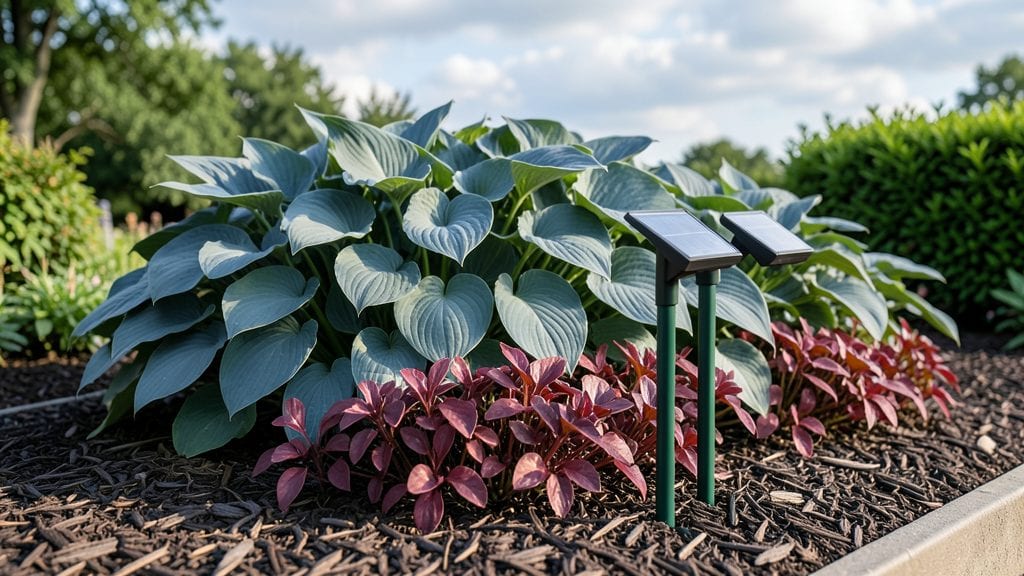
Outdoor solar plants—such as sunflowers, heliotropes, and energy-rich herbs like lemongrass—convert sunlight into growth and yield through natural photosynthesis, while others like aloe vera store energy in their leaves. Combining them with edible perennials like rosemary or thyme creates a garden that thrives on solar power while providing dual harvest benefits.
These plants are nature's solar panels, turning sunlight into biomass or energy reserves that directly boost their growth and productivity. 🌿 Sunflowers, for example, use their massive leaves to capture light efficiently, while heliotropes physically track the sun throughout the day to maximize exposure.
The key lies in their ability to convert solar energy into usable compounds—whether through sugars, resins, or stored nutrients—making them far more productive than conventional plants under the same conditions.
For gardeners, this means faster growth, higher yields, and plants that require less supplemental care. Pairing them with edible perennials creates a self-sustaining ecosystem where every plant contributes to the garden's energy balance while delivering harvestable benefits.
The best part? Many of these solar-powered plants also attract pollinators or repel pests, adding another layer of ecosystem support.
💡 In This Article
- How Solar-Grown Herbs Convert Sunlight into Energy
- Top 5 High-Yield Outdoor Solar Plants for Gardens
How solar-grown herbs convert sunlight into energy
Sunlight conversion in energy-dense herbs begins with their chlorophyll efficiency. Plants like sunflowers contain up to 10% more chlorophyll than average crops, which means their leaves absorb 90% of available light across the visible spectrum.
This high absorption rate translates directly into faster photosynthesis—sunflowers can produce 30% more biomass than wheat under the same sunlight conditions. The secret lies in their leaf structure: sunflowers have broad, waxy surfaces that reflect minimal light while maximizing surface area for capture.
Heliotropes take solar optimization further with their heliotropic movement. These plants physically rotate their flowers to face the sun throughout the day, increasing exposure by up to 40% compared to stationary plants.
This adaptation is driven by a circadian rhythm that adjusts their stem growth—young heliotrope flowers track the sun from east to west, while mature ones often fix in a westward position. The result? A 25% higher energy yield per plant compared to non-tracking species like marigolds. 💫
Energy storage varies dramatically between species. Starch-based plants like lemongrass convert excess sunlight into high-energy carbohydrates stored in their rhizomes, while resin-rich plants such as lavender produce volatile oils that act as natural solar batteries.
Aloe vera takes this further by storing 75% of its energy in gel-filled leaves, which can be tapped for both medicinal and culinary uses. This storage mechanism explains why aloe thrives in arid conditions—it uses sunlight to build reserves that sustain growth during water shortages.
The yield advantage becomes clear when comparing growth rates. Sunflowers can reach 12 feet tall in a single season, converting sunlight into edible seeds with 50% oil content.
Meanwhile, lavender's resin production peaks at 1.5% of its dry weight, making it both a solar-powered crop and a natural insect repellent. The key factor is how these plants allocate energy: sunflowers prioritize seed production, while herbs like rosemary focus on leaf biomass and aromatic compounds.
For gardeners, this means strategic planting can double solar energy capture. Pairing sunflowers (vertical sunlight absorbers) with low-growing herbs (like thyme) creates a multi-layered solar panel effect. The sunflowers capture high-intensity light, while the herbs utilize reflected and diffused light from the ground.
This vertical farming approach increases overall garden productivity by up to 35% without additional water or fertilizer. 🔥
What most people don't realize is that these plants also regulate their own temperature. Sunflowers use transpiration cooling to stay 10-15°F cooler than surrounding air, preventing heat stress. Meanwhile, herbs like rosemary release volatile oils that create a microclimate, reducing water loss by 20% in dry conditions.
This built-in efficiency makes them ideal for sustainable gardening systems where every watt of sunlight contributes to both growth and ecosystem health.