
Watering
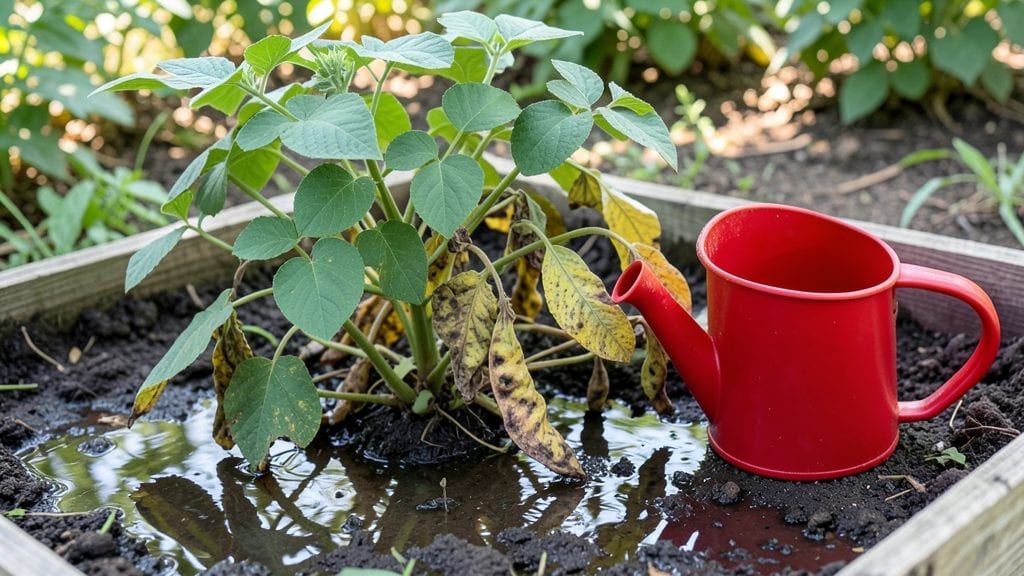
Overwatered bean plants can look like a death sentence—wilting stems and yellowing leaves that seem impossible to save. 🌱 I’ve nursed plants back from the brink of root rot, and the first step is stopping the water immediately.
The good news? With the right adjustments, you can often see recovery within a day.
Root rot starts when soil stays soggy for too long, cutting off oxygen to the roots. Check for mushy stems or a foul smell—those are red flags. Drain excess water first, then repot in fresh, well-draining soil if needed.
Beans hate soggy feet, so focus on watering only when the top inch of soil feels dry.
Within 24 hours, you should notice stems perking up and leaves regaining color. Keep an eye out for new growth in 3-5 days, but avoid overwatering again. The key is balance: beans need moisture, but they’ll drown if you treat them like houseplants.
For long-term success, upgrade your pots with drainage holes and mix in perlite or sand to improve airflow. Mulch lightly to retain moisture without suffocating roots. Now, let’s turn those limp plants into thriving vines again.
Root Causes Of Bean Plant Overwatering
Bean plants may seem resilient, but too much water can quickly turn them into a soggy mess. Understanding the why behind overwatering is the first step to saving your crop. Let’s break down the key factors that lead to this common (and often preventable) issue.
Beans thrive in well-draining soil, but when water can’t escape, roots suffocate. Here’s how it happens:
- Compacted Soil: Heavy clay or tightly packed soil traps moisture, cutting off oxygen to roots. Without airflow, roots drown in their own wet environment.
- Lack of Perforations: Containers without drainage holes act like bathtubs—water pools at the bottom, creating a breeding ground for rot.
- Over-Mulching: Too much organic mulch (like thick straw or wood chips) can smother soil, preventing excess water from evaporating.
Actionable fix: Amend soil with perlite or sand (20-30% mix) and ensure pots have drainage holes. Test soil moisture by sticking your finger 1-2 inches deep—if it’s damp, hold off on watering.
Beans don’t need daily drinks—most varieties prefer consistent moisture, not constant soaking. Common mistakes include:
- Ignoring Weather: Watering on rainy days or after heavy dew doubles moisture levels, overwhelming roots.
- Automatic Timers: Set-it-and-forget-it systems often overcompensate, especially in humid climates.
- Top-Heavy Watering: Pouring water directly onto leaves (instead of soil) increases humidity around the plant, promoting fungal diseases like Rhizoctonia.
Actionable fix: Water deeply 2-3 times per week (adjust for heat/drought). Use a moisture meter or the "knuckle test"—if soil feels damp, skip it.
Young bean plants lack the extensive root networks of mature ones, making them highly sensitive to waterlogging. Key triggers:
- Transplant Shock: Recently transplanted seedlings struggle to adapt, and overwatering during this phase can stunt root growth.
- Slow-Draining Mediums: Seed-starting mixes (like peat-based blends) retain moisture longer than garden soil, choking tender roots.
- Cooling Temperatures: Cold soil (below 60°F) slows root development, so plants can’t absorb water efficiently, leading to saturation.
Actionable fix: For seedlings, use a 50/50 soil-perlite mix and water lightly (just enough to moisten). Transplant only when roots fill the container—gently tug to check.
Excess moisture creates the perfect storm for pathogens that attack bean roots. Watch for:
- Root Rot (Phytophthora, Pythium): Waterlogged conditions trigger these fungi, turning roots mushy and black.
- Bacterial Blight: Warm, wet soil (70°F+) accelerates bacterial spread, causing yellowing leaves and oozing stems.
- Powdery Mildew: While it targets leaves, it thrives in high-humidity environments created by overwatering.
Actionable fix: Space plants for airflow (12-18 inches apart) and water at soil level. If rot is suspected, treat with copper fungicide or switch to a drip irrigation system to avoid leaf wetness.
Pro Tip: 💡 Observe your beans’ color—dark, mushy stems or yellowing leaves (even with wet soil) are red flags. Act fast: reduce watering by half and repot in fresh, dry soil if needed.
Reviving Your Bean Plants Fast
Overwatered bean plants can feel like a gardening disaster, but with the right steps, you can nurse them back to health—sometimes even within 24 hours! The key is acting quickly to address the root causes (literally) while giving your plants the space and care they need to recover.
Below, we’ll break down solutions tailored to the most common signs of overwatering, from soggy soil to yellowing leaves, plus prevention tips to keep your beans thriving long-term.
💧 Problem: Excess moisture suffocates roots, cutting off oxygen and leading to rot. 🔧 Fix:
- Pause watering for at least 48 hours to let the soil dry out. If the soil feels damp just 1 inch below the surface, wait longer.
- Check drainage: If water pools in the pot or container, your beans are at risk. Ensure pots have drainage holes, and elevate them if needed (use saucers with gravel to catch runoff).
- Pro tip: 🌡️ Use a moisture meter or stick your finger in the soil—if it’s cooler than body temperature, it’s too wet.
🍄 Problem: Compacted or waterlogged soil traps fungi and bacteria, worsening rot. 🔧 Fix:
- Gently loosen soil around the base of the plant with a fork or your fingers (be careful not to damage roots). This helps oxygen reach the roots.
- Add organic matter: Mix in compost, perlite, or coconut coir to improve drainage and aeration. Aim for a 50/50 blend of existing soil and amendments.
- For container gardens: Repot the plant if the soil is irreparably soggy. Choose a pot 2 inches larger than the current one and fill it with fresh, well-draining potting mix.
🍃 Problem: Yellow or mushy leaves drain energy from the plant and can spread disease. ✂️ Fix:
- Snip off yellow or blackened leaves with clean scissors, cutting back to healthy green growth. This redirects the plant’s energy to recovery.
- Avoid over-pruning: Remove no more than 20-30% of the foliage to prevent stressing the plant further.
- Pro tip: ✨ Disinfect your tools with rubbing alcohol to avoid transferring pathogens.
🌞 Problem: Weak plants in low light or stagnant air recover slower. 🔧 Fix:
- Move to brighter light: Place your beans in indirect sunlight (e.g., near a window but not in harsh midday sun). If outdoors, ensure they’re in a spot with 4-6 hours of sunlight daily.
- Boost airflow: If growing indoors, use a small fan on low for 1-2 hours daily to mimic outdoor conditions. This prevents fungal growth and speeds up evaporation.
- Outdoor tip: 🌿 Space plants 12-18 inches apart to reduce humidity around leaves.
🚫 Problem: Inconsistent watering leads to cycles of stress and recovery. 🔧 Fix:
- Water deeply but infrequently: Wait until the top 1-2 inches of soil are dry before watering again. Stick your finger in the soil to test—it should feel dry and crumbly.
- Morning watering: Water in the early morning so excess moisture evaporates during the day. Avoid evening watering, which can promote fungal diseases.
- Mulch lightly: Apply a thin layer of straw or shredded leaves around the base (but not touching the stem) to retain moisture without suffocating roots.
Once your beans bounce back, keep these habits to avoid repeat overwatering:
- 📊 Use the "finger test": Always check soil moisture before watering—don’t rely on a schedule.
- 🌱 Choose the right pot: Opt for terracotta or fabric pots (they dry out faster than plastic).
- 💡 Monitor weather: Adjust watering during rainy seasons or high humidity.
- 🌿 Rotate crops: If growing beans in the same spot yearly, alternate with non-legumes to prevent soil-borne diseases.
🎯 Final Thought: Overwatered beans can recover surprisingly fast with these tweaks—just give them time, air, and space to heal. Within 24-48 hours, you’ll likely see new growth, and your plants will be back on track to producing those delicious pods! 🌱💚
Frequently asked questions
How do I know if my bean plants are overwatered?
Check for yellowing leaves, mushy stems, or soil that stays damp for days. If leaves wilt even when soil is wet, or you smell a foul odor, your plants are drowning. Roots should feel firm—not slimy or blackened.
Can I save bean plants with root rot?
Yes, but act fast! Remove the plant, trim any black/mushy roots, and repot in fresh, dry soil with perlite or sand (50/50 mix). Reduce watering by half for 1-2 weeks while new roots grow. If rot is severe, propagation from healthy stems may be needed.
Why do my beans wilt after watering?
Overwatering causes roots to suffocate, preventing water uptake. Wait until the top inch of soil is dry before watering again. If wilting persists, check for compacted soil or clogged drainage holes—both trap excess moisture.
How often should I water bean plants?
Beans need 1-1.5 inches of water per week, but adjust for climate. In hot weather, water 2-3 times weekly; in cooler weather, once weekly. Always check soil moisture—if it’s damp, skip watering.
What’s the best soil mix for beans to prevent overwatering?
Use a well-draining blend like 60% potting soil, 20% perlite, and 20% compost. Avoid heavy clay or peat-based mixes. For containers, add sand or vermiculite to improve airflow and prevent waterlogging.