
Watering
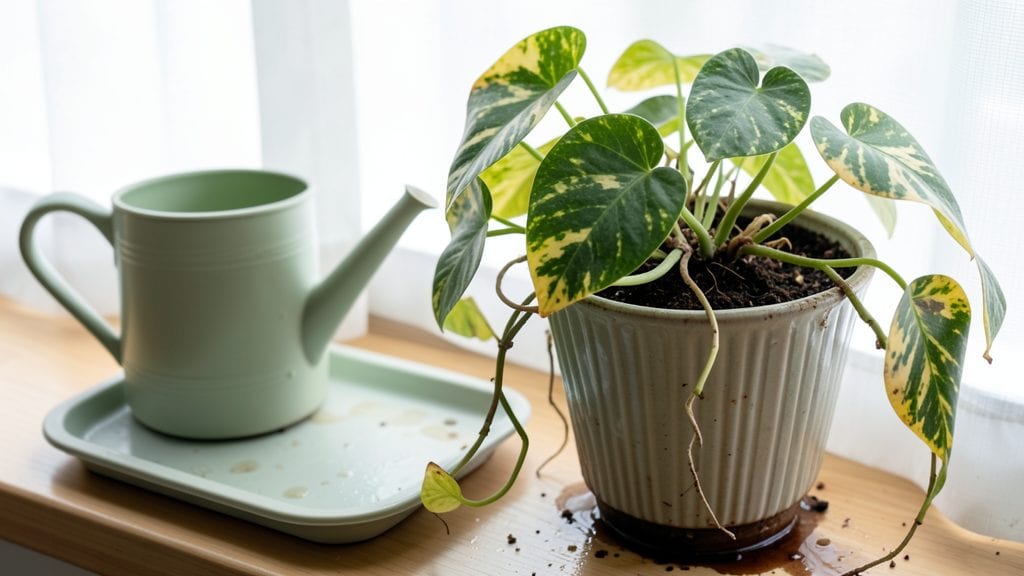
Overwatered pot plants are the silent killers of houseplant collections—yellowing leaves, mushy stems, and soil that smells like a swamp. I’ve lost count of the ferns and philodendrons I’ve nursed back from this exact problem, and I’m sharing the exact steps that saved them.
The good news? Most plants can bounce back if you catch the issue early and act fast.
First, stop watering immediately—this is the hardest part, but it’s the only way to break the cycle. Check the roots: healthy roots are firm and white, while rotten ones are brown, mushy, and smell foul.
If your plant’s roots are still salvageable, trim the bad ones with clean scissors and repot into fresh, well-draining soil. A pot with drainage holes isn’t optional here—it’s non-negotiable.
Within a week, you’ll see new growth if the roots were just stressed, not dead. The leaves might still look sad, but they’ll perk up as the plant adjusts to its new, drier environment.
Think of it like a spa day for your plant: less water, more air, and a fresh start. By the end of the month, you’ll have a thriving houseplant again—no black thumb required.
Prevention is where the real magic happens. Stick your finger in the soil before watering—if the top inch feels damp, wait another day. And for heaven’s sake, use pots with drainage holes.
This isn’t just a fix; it’s a habit that’ll keep your plants alive for years. Trust me, your future self will thank you when you’re not scrambling to save another wilted leaf.
The Hidden Triggers Behind Soggy Soil
When your pot plant starts looking more like a swamp than a thriving green friend, the blame usually lands on one culprit: excess water. But why does this happen so often? Let’s break down the science—and the sneaky habits—that turn your plant’s home into a waterlogged disaster.
Most pot plants need well-draining soil to breathe. If your container lacks drainage holes or uses compacted, heavy soil (like pure clay or garden dirt), water pools at the bottom instead of draining away.
Over time, this creates anaerobic conditions—where roots suffocate from lack of oxygen. Even "self-watering" pots can trap excess moisture if not used correctly.
Actionable fix: Always check for drainage holes. If your pot is hole-less, upgrade to one with them or place a cache pot (with holes) inside a decorative outer pot. Mix in perlite, vermiculite, or orchid bark (10–30% of the soil) to improve aeration.
Many plant parents water on a schedule rather than by need. Sticking to a rigid routine—like watering every Monday—ignores factors like humidity, season, or pot size. Overwatering becomes a habit when you assume your plant is thirsty, even if it’s not.
Science alert: Most houseplants (e.g., snake plants, pothos) store water in their leaves or roots. Watering before the top 1–2 inches of soil dry out forces roots to sit in soggy conditions, inviting root rot (a fungal infection that blocks nutrient uptake).
Actionable fix: Use the finger test: Stick your index finger 1–2 inches into the soil. If it’s damp, wait. If it’s bone-dry, water deeply until it runs out the drainage hole. Pro tip: 🌡️ In winter, many plants need half the water they do in summer.
Small pots dry out faster, while large pots hold moisture for weeks. If your plant is in a container that’s too big for its root system, the excess soil stays wet long after the roots have absorbed what they need.
This is especially true for epiphytes (like orchids) or succulents, which thrive in minimal, airy pots.
Rule of thumb: Choose a pot that’s only 1–2 inches wider than the plant’s root ball. For example, a 6-inch pothos doesn’t need a 12-inch pot—it’ll just stay soggy.
High humidity (common in bathrooms or kitchens) slows evaporation, keeping soil damp longer. Meanwhile, dry air (from heating or AC) can fool you into thinking a plant needs water when it’s actually conserving moisture. Mistaking wilting for thirst leads to overwatering.
Science note: Plants in humid climates (like tropical ferns) have shallower roots and need frequent, light watering. Drought-tolerant plants (like cacti) have deep roots and store water, so they’re fine with dry soil.
Actionable fix: Group plants with similar humidity needs together. Use a hygrometer to monitor levels. If your home is dry, mist leaves occasionally—but never let water sit in the saucer.
During cooler months, plants metabolize slower and need far less water. Yet, many people keep watering as usual, assuming their green pets are still growing at peak summer speed. This leads to chronic sogginess and stunted growth.
Seasonal cheat sheet:
Season
Watering Frequency
Signs of Overwatering
Spring/Fall
Every 7–10 days (check soil)
Yellowing leaves, mushy stems
Summer
Every 5–7 days (more for sun-lovers)
Drooping despite wet soil
Winter
Every 3–4 weeks (or less)
Blackened roots, foul smell
Pro tip: 💡 Reduce watering by 50% in winter unless your plant is actively growing (e.g., blooming). Move pots away from cold drafts or heat vents, which dry soil unevenly.
Fixing Your Soggy Soil Plant
Now that you know the signs of an overwatered pot plant and why it happens, it’s time to take action! The good news is that most plants can bounce back with the right care.
Below are practical, step-by-step solutions tailored to the root causes—plus prevention tips to keep your green buddy thriving.
Problem: Roots suffocate in waterlogged dirt, cutting off oxygen and nutrients.
How to Fix It:
- 👨🍳 Remove the Plant Gently
- Tip the pot sideways and slide the plant out, supporting the base with your hand. If it resists, run a knife around the edges to loosen the soil first.
- 💦 Let It Dry Out
- Place the root ball on a paper towel or newspaper in a shaded spot. Let it air-dry for 12–24 hours (or longer for severely waterlogged roots).
- ✂️ Trim Damaged Roots (If Needed)
- Rinse the roots under lukewarm water to remove excess soil.
- Snip off any black, mushy, or rotten roots with sterilized scissors (dip in rubbing alcohol first).
- Healthy roots should be firm and white (or tan for older plants).
- 🌱 Repot in Fresh, Well-Draining Mix
- Choose a pot with drainage holes (if it didn’t have them before).
- Use a lightweight potting mix with perlite, sand, or orchid bark for aeration.
- Pro Tip: Add a 1-inch layer of gravel or charcoal at the bottom to improve drainage.
- 🌞 Hold Off on Watering
- Wait 3–5 days before watering again. Stick your finger 1–2 inches deep—if it’s dry, give it a slow drink until water runs out the bottom.
💡 Prevention:
- Water only when the top 1–2 inches of soil are dry (use a moisture meter if unsure).
- Upgrade your pots—terracotta dries faster than plastic.
- Avoid saucers without drainage or empty them after watering.
Problem: Overwatering stresses the plant, causing nutrient deficiencies or leaf scorch.
How to Fix It:
- 🌿 Prune Problematic Leaves
- Snip off yellow or brown leaves with clean scissors at the base. This redirects energy to new growth.
- 💧 Adjust Your Watering Routine
- Check soil moisture before watering—stick your finger in!
- Water deeply but less often (e.g., once a week instead of daily).
- Bottom-watering helps: Place the pot in a tray of water for 10–15 minutes, then drain excess.
- 🌡️ Optimize Light & Humidity
- Move the plant to bright, indirect light (no harsh sunburn).
- Mist leaves occasionally (or use a pebble tray) if your home is dry.
- 📊 Fertilize Lightly (If Needed)
- Wait 2–4 weeks after repotting before fertilizing.
- Use a balanced, diluted liquid fertilizer (half-strength) to avoid burning roots.
💡 Prevention:
- Group plants together to create a microclimate with stable humidity.
- Rotate pots weekly for even light exposure.
- Avoid ice cube watering—it shocks roots!
Problem: Excess moisture creates the perfect breeding ground for mold, mildew, or root rot.
How to Fix It:
- 🧼 Clean the Pot & Tools
- Scrub the pot with soapy water and bleach solution (1:10 ratio) to kill fungus.
- Sterilize scissors or pruners with rubbing alcohol.
- 🌿 Treat Fungal Issues
- For powdery mildew: Spray leaves with neem oil solution (1 tsp neem oil + 1 tsp mild soap per quart of water).
- For root rot: Soak roots in hydrogen peroxide (3%) for 10 minutes, then replant in fresh mix.
- 🌱 Improve Airflow
- Space plants 2–3 inches apart to reduce humidity buildup.
- Use a small fan on low setting for 10 minutes daily (helps prevent fungal spores).
💡 Prevention:
- Wear gloves when handling moldy soil (it can irritate skin).
- Avoid overhead watering—water at the base instead.
- Use fungicide preventatively if your home stays damp.
| Step | Action | Frequency |
|---|---|---|
| Check roots | Inspect for rot, trim as needed | Every 2–3 months |
| Test soil moisture | Finger test or moisture meter | Before watering |
| Repot if needed | Upgrade pot/drainage | Every 1–2 years |
| Adjust light | Move to brighter (but indirect) spot | Seasonally |
| Fertilize lightly | Diluted fertilizer in growing season | Every 4–6 weeks |
🎯 Final Tip: Patience is key! Some plants take weeks to recover. Monitor progress and adjust care as needed. With the right fixes, your overwatered plant will be back to its happy, leafy self in no time! 🌿💚
Frequently asked questions
How can I tell if my pot plant is overwatered instead of underwatered?
Check the soil first—if it's damp 1-2 inches deep, it's likely overwatered. Look for yellowing leaves (especially lower ones), wilting despite wet soil, or stems that feel mushy when pressed. Underwatered plants usually have dry, crispy soil and brown leaf edges. The key difference? Overwatered plants often have a foul smell from rotting roots.
Can I save a plant with completely black, mushy roots?
It depends on how much healthy root remains. If more than 50% of the roots are black/mushy, the plant may not survive. Trim all rotten roots, then soak the remaining healthy roots in hydrogen peroxide (3%) for 10 minutes to kill fungus. Repot in fresh, sterile soil and withhold water for 5-7 days to prevent further rot.
Why does my plant keep getting overwatered even when I stop?
This usually happens because the soil stays compacted or the pot lacks drainage. Try these fixes: Use a pot 1-2 inches larger than the root ball, mix in 30% perlite to improve aeration, and water only when the top 1-2 inches of soil are completely dry. If your home is humid, reduce watering by 30-50% compared to dry climates.
Is it okay to use coffee grounds in overwatered soil?
Coffee grounds can help in moderation, but they're not a magic fix. Mix in 10-20% coffee grounds with fresh soil to improve drainage and add nutrients, but don't use them as a replacement for proper care. The real solution is repotting with well-draining soil and adjusting your watering schedule. Too many coffee grounds can actually compact soil further.
How long does it take for an overwatered plant to recover?
Recovery time varies by plant type and damage severity. Most houseplants show improvement within 2-4 weeks if you've trimmed rotten roots and adjusted care. Succulents and cacti may bounce back in 1-2 weeks, while tropical plants like ferns might take 6-8 weeks. Be patient—new growth often appears before old leaves fully recover.