
Watering
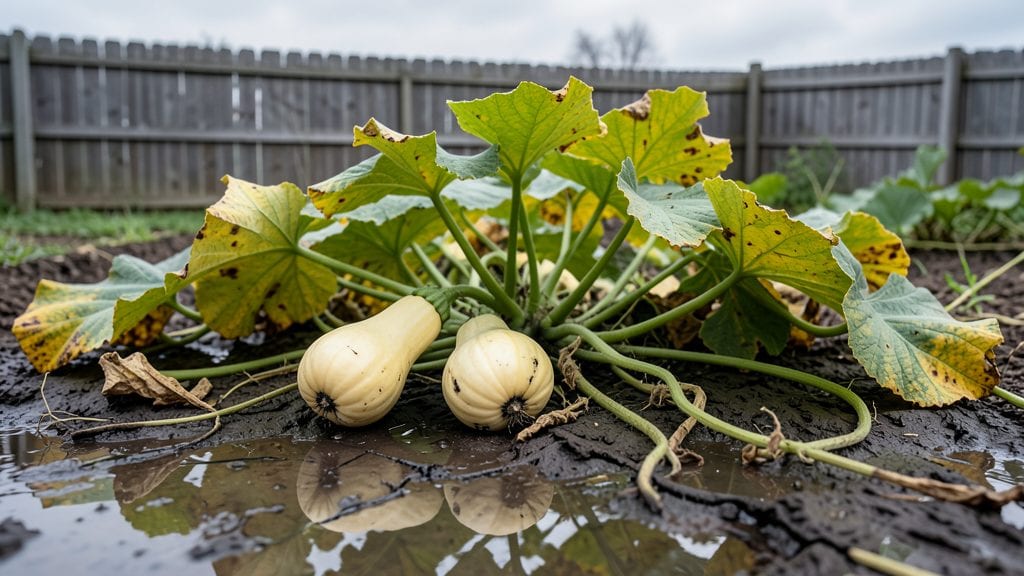
Overwatered squash plants are a gardener’s worst nightmare—mushy stems, yellowing leaves, and that telltale stench of rot. 🌱 I’ve pulled squash vines from the ground thinking they were dead, only to revive them with the right fixes. The key? Acting fast before the roots turn to sludge.
Most people drown squash thinking they need constant moisture, but these plants actually thrive with 1-1.5 inches of water per week—unless it’s scorching hot. Poor drainage and compacted soil make matters worse, trapping water at the roots.
Check for soggy soil, wilting despite wet conditions, and leaves that yellow evenly (not just edges).
Here’s the game-changer: three targeted fixes—adjust your watering schedule, improve drainage with compost or raised beds, and prune away mushy stems. Within a week, you’ll see new growth as the plant recovers.
The secret is balance: let the top inch of soil dry out between waterings, and always water at the base, not the leaves.
Once you’ve saved your plants, keep them happy with mulch to regulate moisture and well-draining soil mixes. Squash are resilient—with the right care, they’ll bounce back stronger than ever. And next season? You’ll spot the signs of overwatering before they become a crisis.
Root Causes Of Excess Moisture
When your squash plants start wilting despite damp soil or develop yellowing leaves that refuse to bounce back, the culprit is often overwatering. But why does this happen so easily?
The answer lies in a mix of environmental factors, soil behavior, and plant biology—each playing a role in drowning your squash before it can thrive. Understanding these causes is the first step to saving your crop and preventing future waterlogging disasters.
Squash plants hate soggy feet, yet many gardeners unknowingly plant them in soil that acts like a sponge—soaking up water and refusing to release it. Here’s why this happens:
- Clay-heavy soil: Clay particles pack tightly, creating tiny air pockets that fill with water instead of allowing drainage. Without amendments, water pools around roots, suffocating them.
- Compacted soil: Foot traffic, machinery, or even heavy rainfall can compress soil, reducing pore space. Roots struggle to access oxygen, and excess water lingers.
- No organic matter: Soil rich in compost or aged manure has a loose, crumbly structure that drains well. Without it, water moves sluggishly, leading to root rot.
Pro Tip: 💡 Test your soil’s drainage by filling a jar with soil, adding water, and timing how long it takes to drain. If it sits for hours, amend with perlite, sand, or compost to improve airflow.
Squash plants need consistent moisture, but consistent doesn’t mean constant. Overwatering often stems from:
- Ignoring weather conditions: Rainy days or high humidity trick your brain into thinking plants need less water—when in reality, they might already have enough.
- Automatic timers on autopilot: A set schedule (e.g., every morning at 8 AM) doesn’t account for variable rainfall or temperature swings.
- Shallow watering habits: Light, frequent watering keeps the topsoil wet but doesn’t encourage deep root growth. Roots stay near the surface, where they’re more prone to drowning.
Science Note: 🌡️ Squash roots thrive in soil that’s moist but not soggy. The "finger test" is key: Stick your finger 1–2 inches into the soil. If it’s damp but not dripping, hold off on watering.
Container-grown squash plants face unique risks because their root systems are confined. Here’s how overwatering sneaks in:
- Small or shallow pots: Roots outgrow the space quickly, circling the container and struggling to escape excess moisture. A 5-gallon pot might work for a single plant, but larger varieties (like butternut squash) need at least 10–15 gallons.
- No drainage holes: A common oversight! Without escape routes, water pools at the bottom, creating a breeding ground for Phytophthora (a deadly root rot fungus).
- Terracotta vs. plastic: Terracotta wicks away moisture faster, while plastic traps humidity. If you’re using plastic, water less frequently but more deeply.
Fix It Fast: ✨ Upgrade to containers with drainage holes and elevate them on saucers (not sitting in saucers filled with water). Use a moisture meter to avoid guesswork.
Even the most careful gardener can fall victim to overwatering when external conditions change. Watch for these red flags:
- Low-lying or poorly sloped garden beds: Water pools in depressions, creating "squash bathtubs" where roots drown. Solution? Raise beds or create gentle slopes.
- Heavy mulch layers: Mulch conserves moisture, but 4+ inches can smother soil and block oxygen. Aim for 2–3 inches, keeping it away from the stem.
- Cooler temperatures: Cold soil slows water absorption, making plants more sensitive to overwatering. Reduce frequency by 30–50% in spring/fall.
Quick Check: 🔥 If your garden has areas where water pools for hours, consider installing swales (shallow trenches) to redirect excess water away from plant roots.
Now that you know why your squash plants are drowning, the next step is actionable solutions to turn things around. Stay tuned!
Fixing Overwatered Squash Plants
Now that you’ve identified the signs of overwatering—yellowing leaves, mushy stems, or foul-smelling soil—it’s time to take action. The key is to drain excess moisture, improve airflow, and adjust your watering habits to prevent further damage.
Below are targeted fixes for each common cause of overwatering, along with long-term prevention tips to keep your squash thriving.
If your squash plants are drowning in water, the first step is to stop watering immediately until the soil dries out. Overwatering often happens when gardeners stick to a rigid schedule without checking soil moisture.
How to Fix It:
- Let the soil dry between waterings—stick your finger 1–2 inches deep into the soil. If it’s damp, wait another day.
- Water deeply but less often—squash plants prefer 1–1.5 inches of water per week (including rainfall), delivered in long, slow sessions (10–15 minutes per plant) rather than light sprinkles.
- Use a moisture meter for accuracy, especially in clay or heavy soils that retain water longer.
💡 Prevention Tip: > "Morning watering is best—it reduces evaporation and gives leaves time to dry, preventing fungal diseases like powdery mildew. Avoid evening watering, as wet foliage overnight invites trouble."
If your squash is planted in compacted, clay-heavy, or container soil with no drainage holes, water pools at the roots, suffocating them. This is a silent killer for squash plants.
How to Fix It:
- For in-ground plants:
- Amend the soil with compost, perlite, or coarse sand (1 part amendment to 3 parts soil) to improve drainage.
- Raise beds slightly (if possible) to help excess water run off.
- For potted squash:
- Repot into larger containers with drainage holes and a mix of 50% potting soil + 30% perlite + 20% coconut coir.
- Check for clogged drainage holes—unclog them with a wire or drill new ones if needed.
🔥 Emergency Fix: If repotting isn’t an option, dig a shallow trench around the plant to redirect water away from the roots.
🌡️ Prevention Tip: > "Test your soil’s drainage—fill a hole with water, and if it doesn’t drain within 30 minutes, your soil is too dense. Add organic matter to loosen it up before planting."
Squash vines spread wide, and tight spacing traps humidity, leading to rot and poor airflow. If your plants are too close, they’re more prone to overwatering issues.
How to Fix It:
- Thin out seedlings—leave 2–3 feet between plants (check your squash variety’s needs; some like butternut squash need even more space).
- Prune excess vines—if plants are already crowded, trim back some runners to improve airflow.
- Mulch properly—use straw or wood chips (not plastic) to retain moisture without smothering roots, but keep mulch 2–3 inches away from stems to prevent rot.
✨ Prevention Tip: > "Plant squash in hills or raised beds—this naturally improves drainage and reduces soil-borne diseases. Plus, it makes harvesting easier!"
If your squash shows black, mushy roots or wilting despite dry soil, root rot has likely taken hold. Don’t panic—you can still save the plant with these steps:
How to Fix It:
- 🔪 Trim affected roots—gently remove the plant, cut off any black, slimy roots with sterilized scissors, and rinse the remaining roots in a 1:10 hydrogen peroxide-water solution (3% peroxide) for 10 minutes to kill fungus.
- 🏡 Repot in fresh, sterile soil—use a well-draining mix (as described above) and a clean pot (or sanitized ground area).
- 💧 Water lightly for 3–5 days—hold off on heavy watering to let roots recover.
- 🌿 Apply fungicide (optional but helpful)—spray with a copper-based fungicide or neem oil solution (1 tsp neem oil + 1 quart water) to prevent reinfection.
⏰ Recovery Timeline:
- Mild rot? Plants may bounce back in 1–2 weeks with proper care.
- Severe rot? Unfortunately, the plant may not survive—but future crops will thrive if you adjust your watering habits.
🎯 Prevention Tip: > "Rotate crops yearly—never plant squash (or other cucurbits) in the same spot two years in a row. This breaks disease cycles and keeps soil healthy."
To keep your squash plants happy and hydrated (but not soggy), follow this quick recap: ✅ Water deeply 2–3 times per week (adjust for rain). ✅ Check soil moisture daily—don’t guess! ✅ Ensure 6+ inches of drainage in pots or amended soil. ✅ Space plants 2–3 feet apart for airflow. ✅ Mulch with organic material (not plastic).
By addressing the root cause (pun intended) of overwatering, your squash plants will bounce back stronger—and you’ll be on your way to a bountiful harvest without the rot! 🎉🎃
Frequently asked questions
How can I tell if my squash plants are overwatered vs. underwatered?
Overwatered squash show yellowing leaves (especially lower ones), mushy stems, and wilting despite damp soil. For underwatered plants, leaves curl upward and soil feels bone-dry. The key difference? Overwatered plants smell foul (rot) while underwatered ones feel crispy and brittle.
Can I save a squash plant with root rot from overwatering?
Yes, but act fast! Trim black, mushy roots, rinse healthy roots in hydrogen peroxide solution (1:10 ratio), and repot in fresh, well-draining soil. Reduce watering for 3-5 days to let roots recover. Severe cases may not survive, but you can save future plants by adjusting watering habits.
Why do my squash plants wilt after watering even when the soil is wet?
This classic sign of overwatering occurs when roots suffocate from poor drainage or compacted soil. The plant can't absorb water properly, causing wilting. Check for soggy soil, improve drainage with compost, and ensure containers have drainage holes to prevent this.
How often should I water squash plants in containers vs. garden beds?
Container squash need watering every 2-3 days (containers dry faster), while garden squash require 1-1.5 inches per week. Always check soil moisture—stick your finger 1-2 inches deep. Containers also need larger pots (10-15 gallons for mature plants) to prevent root binding.
Will mulch help or hurt overwatered squash plants?
Mulch can help if used correctly. Apply 2-3 inches of organic mulch (straw/wood chips) but keep it 2 inches away from stems to prevent rot. Too much mulch (4+ inches) smothers soil and worsens drainage issues—remove excess immediately if you suspect overwatering.