
Watering
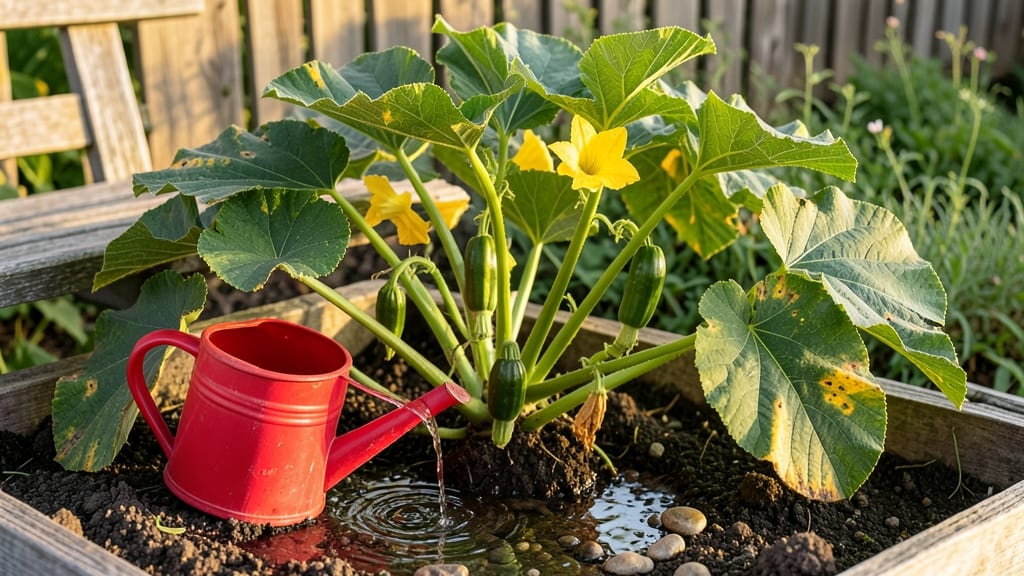
Overwatering squash plants can turn lush vines into a soggy mess—but with a few simple tweaks, your harvest is far from ruined. 🌱 I’ve nursed back more struggling vines than I can count, and the fix always comes down to three straightforward adjustments that stop the rot and save the plant.
The problem starts when soggy soil cuts off roots from oxygen, inviting fungal diseases like powdery mildew while drowning healthy growth. Most gardeners water on a schedule instead of checking soil moisture—until the leaves turn yellow, then it’s panic time.
The good news? Squash plants bounce back fast once you adjust watering, improve drainage, and prune the worst damage.
Within a week of proper care, you’ll see fresh green leaves pushing out, followed by new vines and blossoms.
The key is watering only when the top inch of soil feels dry, using raised beds or containers if your yard stays wet, and keeping mulch clear of the stem to prevent rot. No more guesswork—just healthy plants ready to produce.
This works for both bush and vining squash, whether you’re growing zucchini, butternut, or pumpkins. The same principles apply to cucumbers and melons too. Let’s turn those yellow leaves back to vibrant green in no time.
Root Causes Of Overwatered Squash
Squash plants may seem tough, but they’re surprisingly delicate when it comes to water—especially when you give them too much. Overwatering doesn’t just waste resources; it triggers a cascade of stress responses that leave your plants gasping for air, turning leaves yellow, and even rotting roots.
Here’s why it happens—and what’s really going on beneath the soil.
Squash thrives in well-draining soil, but if your garden beds or containers lack proper drainage, water pools around the roots instead of flowing away. When soil stays soggy for days, oxygen can’t reach the roots—a problem called hypoxia.
Without oxygen, roots suffocate, struggle to absorb nutrients, and start breaking down.
- Why it’s deadly: Roots rely on aerobic respiration (oxygen + sugars = energy). Flooded soil forces them into anaerobic respiration, producing toxic byproducts like ethanol and lactic acid.
- Signs to watch for:
- Yellowing leaves (especially older ones)
- Mushy, black roots when dug up
- Stunted growth despite "wet" soil
Pro tip: Test your soil’s drainage by filling a container with soil and water, then timing how long it takes to drain. If it sits waterlogged for more than 2 hours, amend with perlite, sand, or compost to improve airflow. 💡
Squash plants need 1–1.5 inches of water per week, but many gardeners overestimate how much their plants "drink." Frequent light waterings—like daily sprinkles—keep the topsoil damp but prevent deep root growth. When roots stay shallow, they can’t access moisture efficiently, leading to waterlogged stress.
- Common mistakes:
- Watering every day (even if it rained)
- Using a mist or spray instead of deep soaking
- Ignoring weather forecasts (e.g., watering after a downpour)
- Science behind it: Shallow watering encourages surface roots, which are more prone to rot. Deep watering (every 3–4 days) trains roots to grow downward, where they can access moisture and nutrients without drowning.
Quick fix: Use a moisture meter or the "finger test"—stick your index finger 2 inches into the soil. If it’s damp, wait. If it’s dry, water deeply until it runs out the drainage holes. ⏰
If your soil is clay-heavy, compacted, or lacks organic matter, water can’t penetrate easily, creating a perched water table—a layer of trapped moisture just below the surface. Squash roots, which prefer loose, crumbly soil, get stuck in this waterlogged zone, leading to root rot and nutrient deficiencies.
- How to spot it:
- Soil sticks to your shovel when dug
- Water beads up instead of soaking in
- Leaves turn yellow with brown edges (a sign of iron/chlorosis)
- Solution: Break up compacted soil with a garden fork or add 2–3 inches of compost to improve structure. For clay soils, mix in coarse sand or gypsum to create air pockets. 🌡️
- Fungal red flags:
- Yellow spots with brown edges on leaves
- Leaves crisp or drop suddenly
- White fuzzy growth on stems (powdery mildew)
- Prevention:
- Water at the base of plants (not overhead)
- Avoid watering in the evening (leaves need time to dry)
- Space plants for airflow (3–4 feet apart)
Overwatering doesn’t just drown roots—it also creates the perfect breeding ground for fungal pathogens like Phytophthora or Pythium. When foliage stays wet for prolonged periods, spores thrive, leading to diseases that cause yellowing, wilting, or even death.
Emergency move: If you spot fungus, apply a copper fungicide or baking soda spray (1 tsp baking soda + 1 quart water + a drop of soap) to stop the spread. ✨
Quick Fixes for Waterlogged Squash
Overwatering your squash plants can feel like a nightmare—wilting leaves, mushy roots, and wasted effort. But don’t panic! With the right adjustments, you can revive your plants and prevent future disasters.
Below, we’ve mapped out practical solutions tailored to the root causes of overwatering, from soggy soil to poor drainage. Each fix includes prevention tips to keep your squash thriving long-term.
If your squash plants are already showing signs of overwatering (yellowing leaves, soft stems, or foul-smelling soil), act fast to save them.
How to do it:
- 🔥 Stop watering right away—let the soil dry out for at least 24–48 hours before watering again.
- 🍳 Dig a drainage trench around the base of the plant (about 6 inches deep) to redirect excess water away from the roots.
- 👨🍳 Use a trowel or stick to loosen compacted soil around the roots, helping water evaporate faster.
- 🥘 If the soil is completely saturated, carefully lift the plant (if possible) and replant it in fresh, well-draining soil.
Prevention tips: ✔ Check soil moisture before watering—stick your finger 1–2 inches into the soil. If it’s damp, wait. ✔ Water deeply but less often—squash plants prefer 1–2 inches of water per week, delivered in one go rather than daily sprinkles. ✔ Avoid watering in the evening—wet leaves at night encourage fungal diseases.
Poor drainage is often the real culprit behind overwatering. If your soil holds too much moisture, your squash plants will struggle—even if you’re not intentionally drowning them.
How to do it:
- 🔥 Amend the soil with organic matter like compost, coconut coir, or perlite to loosen heavy clay or compacted dirt.
- 🍳 Raise garden beds (even slightly) to encourage better water runoff.
- 👨🍳 Install a French drain (a buried gravel-filled trench with a perforated pipe) if your garden is prone to standing water.
- 🥘 For container-grown squash, ensure pots have drainage holes and use a mix of 50% potting soil + 50% perlite or vermiculite.
Prevention tips: ✔ Test your soil’s drainage—fill a hole with water, and if it takes more than 1 hour to drain, amend the soil. ✔ Mulch around plants (but keep mulch 2–3 inches away from the stem) to regulate moisture and prevent evaporation. ✔ Choose the right location—avoid low spots where water pools after rain.
Even well-draining soil can lead to overwatering if you’re on a strict routine without checking conditions. Squash plants are drought-tolerant once established—they’d rather be underwatered than overwatered!
How to do it:
- 🔥 Water only when the top 1–2 inches of soil are dry—use a moisture meter or your finger as a guide.
- 🍳 Switch to drip irrigation or soaker hoses to deliver water slowly at the soil level (instead of overhead sprinklers).
- 👨🍳 Water in the morning (between 6–10 AM) to allow foliage to dry before evening, reducing disease risk.
- 🥘 If using a timer, set it for shorter, infrequent cycles (e.g., 10 minutes every other day) instead of long daily sessions.
Prevention tips: ✔ Monitor weather forecasts—skip watering if rain is in the forecast. ✔ Group plants with similar needs—squash, cucumbers, and melons have deep roots and prefer less frequent watering. ✔ Observe your plants—healthy squash leaves should be firm and dark green; wilting or yellowing means it’s time to adjust.
If your squash plants are severely waterlogged (roots turning black/mushy), they may need extra help to recover:
- 🌿 Trim damaged foliage—remove yellow or mushy leaves to redirect energy to healthy growth.
- 💧 Apply a diluted seaweed or fish emulsion fertilizer (1 tbsp per gallon of water) to boost root recovery.
- 🌞 Move plants to a sunnier spot—strong light helps dry out excess moisture faster.
- ⏳ Be patient—roots can take 1–2 weeks to recover; avoid stressing them further.
To keep your squash plants thriving and water-wise, follow this simple routine:
- ✅ Test soil drainage before planting.
- ✅ Water deeply but infrequently (1–2 times per week, depending on weather).
- ✅ Use mulch to retain moisture without suffocating roots.
- ✅ Choose the right containers (if growing in pots) with drainage holes.
- ✅ Watch for signs of stress—adjust watering before problems escalate.
By tackling the root cause (literally!) of overwatering, your squash plants will bounce back stronger. And with a few smart adjustments, you’ll enjoy bountiful harvests without the guesswork. 🍉🌿
Frequently asked questions
Why do my squash plant leaves turn yellow when I water them regularly?
Yellow leaves usually mean root suffocation from soggy soil. Squash roots need oxygen—when waterlogged, they can't absorb nutrients properly, causing leaves to yellow first. Check if the soil stays damp for more than 24 hours after watering.
How often should I water squash plants to avoid overwatering?
Water squash plants deeply 2-3 times per week (about 1-2 inches total) instead of daily light watering. Let the top 1-2 inches of soil dry out between waterings. Use a moisture meter or finger test to check.
Can I save a squash plant with mushy stems from overwatering?
Yes, but act fast! Stop watering immediately and let the soil dry completely. Prune any mushy stems/leaves, and replant in fresh, well-draining soil if needed. Add compost or perlite to improve drainage. Recovery takes 1-2 weeks with proper care.
What’s the best way to fix poor drainage in my garden for squash?
Amend heavy soil with compost or coarse sand to improve airflow. For containers, use a mix of 50% potting soil + 50% perlite. Raise beds slightly or create drainage trenches around plants to redirect excess water.
Will mulch help prevent overwatering in squash plants?
Mulch helps regulate moisture but can cause problems if piled against stems. Use 2-3 inches of mulch around plants (not touching stems) to reduce evaporation. Avoid organic mulch in soggy soil—it can trap moisture and worsen rot.