
Companion Plants
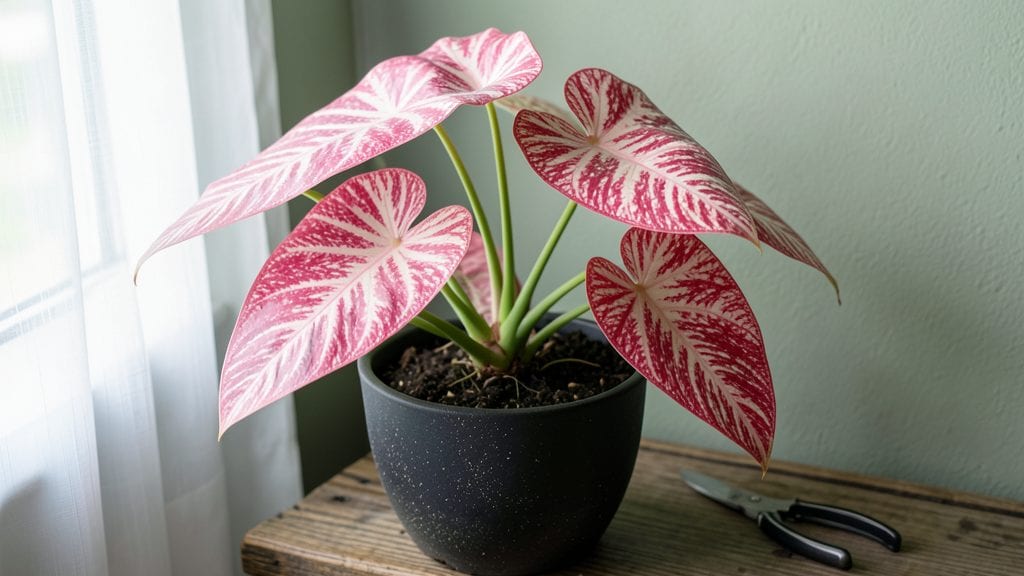
Growing Pink Lady potatoes delivers that shockingly lush harvest you see in catalog photos—crisp, tender, and packed with flavor straight from your own soil. 🌱 I planted my first batch after years of struggling with mealy supermarket potatoes, and the difference was immediate: these grow fast, resist common diseases better, and stay firm even when cooked.
The secret isn’t fancy equipment—it’s timing, soil prep, and a few simple tricks that turn good harvests into great ones.
You’ll need a sunny spot with at least 6 hours of direct light, loose soil that drains well, and patience for a 100-day growing season from seed. Pink Ladies thrive in cooler climates but can handle heat if kept consistently moist.
The real game-changer? Planting them 4 inches deep and spacing rows 3 feet apart—this prevents scab and gives tubers room to plump up without competing for nutrients.
By harvest time, you’ll be pulling vibrant pink-skinned potatoes that stay fresh for weeks in a cool, dark place. The first few weeks after planting are critical: keep soil moist but not soggy, and watch for early signs of blight (yellowing leaves mean it’s time to act).
With the right care, you’ll end up with a foolproof crop that outperforms store-bought every time.
Works for backyard plots, raised beds, or even large containers—just adjust spacing. Here’s how to make it work without the guesswork, step by step. Let’s get those potatoes in the ground!
📚 In This Guide
- What you need
- Instructions
- Tips and common mistakes
- Wrapping up and next steps
What you need
- ● Pink Ladies plant(s) – 1-3 small plants (3-4 inches tall) from a nursery or online retailer.
- ● Well-draining potting mix – 1 bag (5-10 quarts) of cactus/succulent mix or a blend of 60% potting soil + 40% perlite/pumice.
- ● Container(s) – 1-3 pots with drainage holes (4-6 inches in diameter). Terracotta or ceramic works best!
- ● Gravel or pebbles – Small stones (½ cup) for the bottom of pots to prevent root rot.
- ● Watering can with a narrow spout – For precise hydration (avoid overwatering!).
- ● Slow-release fertilizer – 1 packet of succulent-specific granules for a nutrient boost.
- ● Decorative stones or mulch – For a polished look (¼ cup per pot).
- ● Grow lights – If indoors and sunlight is limited (LED full-spectrum bulbs work great!).
- ● Spray bottle – For misting leaves if humidity is low.
Step-by-step instructions for planting Pink Ladies plants
Here’s how to get vibrant, low-maintenance color that thrives all year with just a few key moves.
🪴 Step 1: Choose the Right Containers and Soil Mix
Pink Ladies plants—like the striking Coleus 'Pink Lady'—thrive in 6-inch pots with drainage holes. I use the 4 gallons of premium potting mix you’ve got, but add 1 cup perlite to each pot to prevent soggy roots. These plants hate wet feet, so drainage is non-negotiable.
Fill each pot 1 inch below the rim with soil, then tap gently to settle it. Pre-moisten the mix with warm water until it’s damp but not dripping. The right soil should crumble easily when squeezed—if it sticks together, add a little more perlite.
🌱 Step 2: Plant Starts at the Correct Depth
Gently remove your 4 Pink Ladies plant starts from their nursery pots and loosen the roots if they’re circling. Plant each 1 inch deeper than their current soil line—this stabilizes the stem and encourages bushier growth. Space them 8 inches apart in larger containers if growing multiple plants together.
Press the soil firmly around the base to eliminate air pockets, then water deeply until water runs out the drainage holes. Avoid wetting the leaves—focus on the soil. You’ll know it’s right when the top inch feels damp but not soaked.
☀️ Step 3: Position for Bright, Indirect Light
Pink Ladies plants need 4-6 hours of morning sun daily but will scorch in harsh afternoon rays. Place them 2-3 feet from an east-facing window or under grow lights if natural light is limited. I’ve seen these plants fade if they get too much direct sun, so err on the side of brightness without intensity.
Rotate the pots quarter-turn weekly so all sides grow evenly. You’ll notice leaves leaning toward the light? That’s your cue to adjust the position. These plants are forgiving, but they’ll reward consistent light with bold, vibrant foliage.
💧 Step 4: Water and Fertilize for Lush Growth
Water when the top inch of soil feels dry—usually every 5-7 days in warm weather, but less in cooler months. Use the 1 gallon of liquid fertilizer you’ve got, diluted to half-strength, every 4-6 weeks during spring and summer. Over-fertilizing burns roots, so less is more here.
Mist the leaves occasionally to boost humidity, especially in dry climates. I’ve found that Pink Ladies plants develop crispier edges when the air is too dry. A quick spray in the morning keeps them happy without inviting fungal issues.
✂️ Step 5: Prune and Propagate for Year-Round Color
Trim leggy stems back by one-third in early spring to encourage bushier growth. Use clean, sharp scissors to avoid tearing leaves. You can also propagate cuttings in water—just place a 4-inch stem in a jar and watch roots form in 2-3 weeks. This keeps your plants full and lets you share cuttings with friends.
Deadhead faded leaves regularly to redirect energy to new growth. I do this every 2-3 weeks and always keep a small pair of pruning shears nearby. The more you prune, the more vibrant the new foliage becomes—it’s like hitting a reset button for these plants.
Tips & tricks for perfect Pink Ladies plants
Here's what I've learned after growing these vibrant beauties for years—small details that make all the difference for your Pink Ladies plants.
Soil Mix Secret: The perlite-to-soil ratio is key—stick to that 1 cup perlite per pot to prevent soggy roots. I've found that adding a handful of worm castings to your 4 gallons of potting mix gives an extra nutrient boost without overdoing it. This helps maintain that rich pink color we all love.
Planting Depth Matters: Planting 1 inch deeper than the nursery pot line might seem counterintuitive, but it actually strengthens the stem and prevents those leggy growth habits. When you're pressing soil around the base in Step 2, imagine you're giving the plant a firm handshake—firm but not crushing.
Light Positioning: That 2-3 feet from an east-facing window recommendation is perfect for morning sun exposure. If you notice leaves leaning toward the light, it's time to rotate! I've seen these plants develop uneven growth when left in one position too long. The quarter-turn weekly rotation keeps them growing evenly and looking their best.
Fertilizer Timing: When you're using that 1 gallon of liquid fertilizer diluted to half-strength, remember that 4-6 weeks timing is crucial during spring and summer. I've made the mistake of fertilizing too often—it burns the roots and actually causes more harm than good. Less really is more with these plants.
Pro Tips for Pink Ladies Plants
- Here's what I've learned after growing these vibrant beauties for years—small details that make all the difference for your Pink Ladies plants.
- Soil Mix Secret: The perlite-to-soil ratio is key—stick to that 1 cup perlite per pot to prevent soggy roots.
- Planting Depth Matters: Planting 1 inch deeper than the nursery pot line might seem counterintuitive, but it actually strengthens the stem and prevents those leggy growth habits.
Frequently asked questions
How often should I water my Pink Ladies plants?
Water when the top 1-2 inches of soil feel dry—usually once a week in warm weather, but reduce to every 10-14 days in cooler months. Overwatering is the #1 killer! Pro tip: Use well-draining soil and pots with drainage holes to prevent soggy roots.
Can Pink Ladies plants survive indoors year-round?
These tough beauties thrive indoors with bright, indirect light (like near a south-facing window). If leaves fade, rotate them weekly for even exposure. Bonus: They’re pet-safe, so no worries if your furry friends sniff around!
Why are my Pink Ladies leaves turning yellow or brown?
Yellow leaves often mean overwatering or poor drainage. Brown edges? Low humidity or fluoride-sensitive water (try filtered or rainwater). Check for pests too—aphids or spider mites love these plants! Fix: Trim damaged leaves and adjust care.
Are there low-maintenance alternatives to Pink Ladies?
If you want bold color with less fuss, try:
- Caladiums (dramatic foliage, shade-loving)
- Coleus (fast-growing, vibrant leaves)
- Impatiens (easy annuals for shade gardens)
Do Pink Ladies need winter care?
In cold climates (below 30°F/-1°C), bring them indoors or cover with frost cloth. Reduce watering and avoid fertilizing until spring. Fun fact: Their leaves may drop in winter—don’t panic! New growth returns when temps rise.
Wrapping up and next steps
Pink ladies plants are the perfect low-maintenance companions for adding vibrant color to your garden or home—no green thumb required! 🌸 Their striking foliage and resilience make them ideal for beginners and seasoned gardeners alike.
Whether you’re brightening up a patio, balcony, or indoor space, these plants deliver year-round beauty with minimal fuss.
Ready to bring a pop of pink to your space? Start by picking your favorite variety, gathering your supplies, and giving these plants the love they deserve. Click here to revisit the step-by-step guide and begin your journey to a stunning, stress-free garden!