
Planting
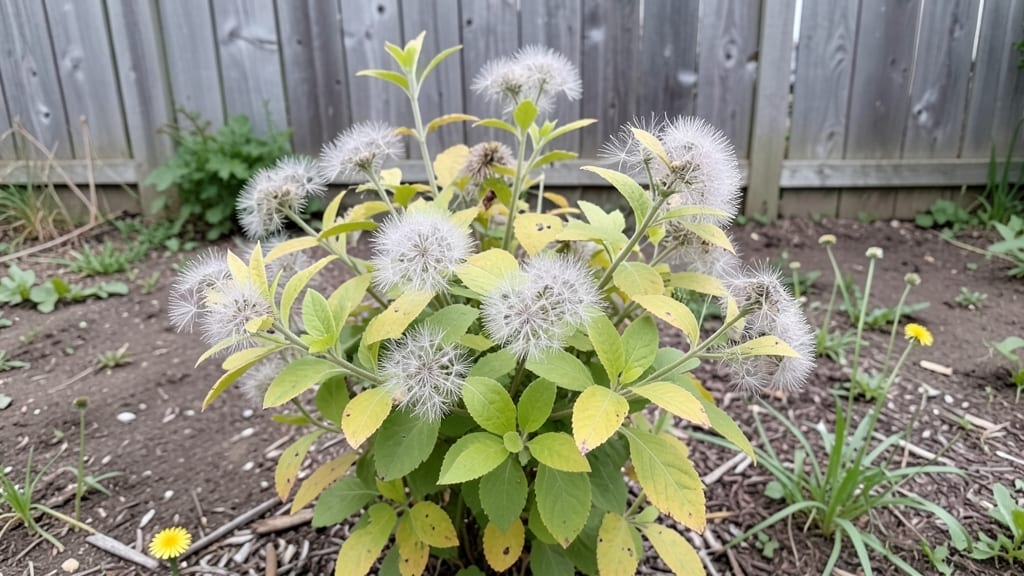
Growing smoke bush transforms your yard into a smoky, textured masterpiece that thrives even when other plants wilt. 🌿 I’ve planted these striking shrubs in dry, sunny spots where nothing else survives—and they still produce those signature feathery plumes and rich foliage colors for years.
The secret lies in their adaptability: smoke bush handles poor soil, drought, and even urban pollution once planted. You’ll need full sun to partial shade and well-draining soil, but beyond that, it’s a low-maintenance star.
Prune lightly in late winter to shape it, and watch those purple, pink, or golden leaves pop against any backdrop.
By summer, your smoke bush will be the talk of the neighborhood—drought-proof privacy with year-round interest. The feathery seed heads add drama, while the foliage shifts from spring greens to fiery fall hues. It’s the kind of plant that makes gardening feel effortless.
Perfect for hedges, focal points, or mixed borders, smoke bush plays well with others. Pair it with lavender for contrast or Russian sage for a wild, textured garden. Let’s get yours planted right the first time.
📚 In This Guide
- What you need
- Instructions
- Tips and common mistakes
- Wrapping up and next steps
What you need
- ● Plant Smoke Bush (Cotinus obovatus or C. coggygria): 3–5 mature plants (1–3 ft tall) for a dense hedge, spaced 6–8 ft apart.
- ● Container-grown or bare-root seedlings (check local nurseries for drought-tolerant varieties like ‘Royal Purple’ or ‘Grace’).
- ● Soil Amendments: 5–10 lbs of compost or well-rotted manure per planting hole.
- ● 1 lb of slow-release fertilizer (10-10-10 or balanced formula).
- ● Planting Supplies: 1–2 garden shovels (for digging holes).
- ● 1 wheelbarrow (for mixing soil/amendments).
- ● 1 hose with nozzle (for watering).
- ○ Optional: mulch (3–4 inches of pine bark or shredded leaves) to retain moisture.
- ● Safety Gear (if needed): Gloves (to protect hands from thorns on some varieties).
- ● Knee pads (for comfort during planting).
- ● Pruning Tools: Bypass pruners (for shaping) or loppers (for thicker branches).
- ● Hand saw (if removing large branches).
- ● Soil Testing Kit: To check pH (ideal range: 6.0–7.5; amend with lime or sulfur if needed).
- ● Drip Irrigation System: For automated watering (especially in dry climates).
- ● Pest Control: Neem oil spray (preventative for aphids or spider mites).
- ● Bird netting (if squirrels are a nuisance in your area).
- ● Decorative Stakes: To mark planting locations (if spacing requires precision).
Step-by-step instructions for planting a smoke bush
This drought-resistant shrub thrives with minimal fuss—here's how to plant it right the first time.
🌱 Step 1: Choose the Perfect Planting Location
Smoke bushes love sun and space. Pick a spot with full sun exposure—at least 6 hours of direct sunlight daily. They tolerate partial shade but won’t reach their full lush, rounded shape. I always check the mature size (usually 6-10 feet wide) before planting to ensure it fits your space without crowding other plants.
This shrub thrives in well-draining soil but handles poor soil better than most. If your soil is heavy clay, amend it with 2-3 inches of compost mixed into the top 12 inches of soil. The key is avoiding soggy roots—smoke bushes hate wet feet. Look for areas where water pools after rain and plant elsewhere.
🪴 Step 2: Dig the Hole and Prepare the Plant
Dig a hole twice as wide as the root ball but no deeper. The top of the root ball should sit 1 inch above ground level—this prevents water from pooling around the stem. Gently loosen the roots if they’re circling tightly in the container. I like to tease them apart with my fingers to encourage outward growth.
Remove the plant from its container and place it in the hole. Fill around the roots with native soil, pressing lightly to eliminate air pockets. Water deeply to settle the soil. You’ll know it’s right when the soil surface looks slightly compacted but still allows water to drain through.
💧 Step 3: Water and Mulch for Long-Term Success
Give the newly planted smoke bush a deep watering—enough to moisten the soil 12 inches deep. This encourages roots to grow downward instead of staying shallow. After watering, spread 2-3 inches of mulch around the base, keeping it 3 inches away from the stem to prevent rot.
Use organic mulch like wood chips or shredded bark. This helps retain moisture, regulates soil temperature, and suppresses weeds. Replenish mulch annually in late winter to protect roots during cold snaps. Avoid piling mulch too high—it should look like a gentle slope, not a volcano around the plant.
☀️ Step 4: Prune for Shape and Health
Prune smoke bushes in late winter or early spring before new growth begins. Cut back 1/3 of the oldest stems to the ground to encourage fresh, vigorous growth. This also keeps the shrub looking full and prevents it from getting woody and leggy.
For shaping, remove any dead, diseased, or crossing branches. I like to step back and visualize the plant’s natural form—smoke bushes have a beautiful rounded shape when pruned correctly. Avoid heavy pruning in fall, as new growth won’t harden off before winter.
⏰ Step 5: Maintain Through the Seasons
Smoke bushes are drought-tolerant once established, but young plants need consistent watering. Water once a week during the first growing season, providing 1 inch of water per week. After that, water only when the soil feels dry 2 inches below the surface.
Fertilize lightly in early spring with a balanced, slow-release fertilizer. Too much nitrogen leads to leafy growth at the expense of those stunning purple or pink flower plumes. Watch for pests like spider mites—if you see webbing on the leaves, spray with water to knock them off or use an insecticidal soap.
Tips & tricks for perfect smoke bush planting
These simple strategies will help your smoke bush grow into a thriving, drought-resistant privacy screen with minimal effort.
Sunlight Strategy: While smoke bushes tolerate partial shade, I've seen them struggle in spots with less than 6 hours of sun—especially in cooler climates. If your location gets afternoon shade, consider planting on the north or east side of structures to maximize morning sunlight. The first year is critical for establishing strong root growth, so don't skimp on sun exposure during this period.
Soil Preparation Tip: The 2-3 inches of compost recommendation in heavy clay soil is non-negotiable for proper drainage. I like to mix in a handful of perlite or coarse sand to further improve drainage without altering the soil structure too dramatically. This creates tiny air pockets that prevent waterlogging while maintaining the soil's natural composition.
Planting Depth Secret: That 1-inch elevation above ground level for the root ball isn't just about aesthetics—it's a water management technique. The slight mound prevents water from pooling against the stem during heavy rains, which is exactly what causes rot in smoke bushes. Think of it as creating a natural drainage channel right at the plant's base.
Mulching Technique: When spreading that 2-3 inches of mulch, create a donut shape around the plant—keep it 3 inches away from the stem. This creates a microclimate that maintains even moisture without smothering the plant. I've seen beginners pile mulch right against the stem, which actually suffocates the plant and invites pests. The gentle slope you create also helps water flow outward during irrigation.
Pro Tips for Plant Smoke Bush
- These simple strategies will help your smoke bush grow into a thriving, drought-resistant privacy screen with minimal effort.
- Sunlight Strategy: While smoke bushes tolerate partial shade, I've seen them struggle in spots with less than 6 hours of sun—especially in cooler climates.
- Soil Preparation Tip: The 2-3 inches of compost recommendation in heavy clay soil is non-negotiable for proper drainage.
Frequently asked questions
Is Plant Smoke Bush really drought-tolerant?
Once established, Plant Smoke Bush thrives in dry conditions with minimal watering. Its deep roots make it resilient, but young plants benefit from regular watering for the first year. Pro tip: Mulch around the base to retain moisture and suppress weeds.
How fast does Plant Smoke Bush grow?
Expect moderate growth—about 12–24 inches per year under ideal conditions. For faster results, plant in well-draining soil with full sun and fertilize lightly in spring. Patience pays off: mature bushes (6–10 feet tall) take 3–5 years to reach full privacy potential.
When and how should I prune Plant Smoke Bush?
Prune in late winter or early spring before new growth starts. Remove 1/3 of the oldest stems at the base to encourage bushier growth. Avoid heavy pruning in fall—it can stimulate tender growth vulnerable to cold. Warning: Never prune after summer; it reduces winter hardiness.
What pests or diseases commonly affect Plant Smoke Bush?
They’re generally pest-free, but watch for aphids or spider mites on young leaves. Treat with insecticidal soap if needed. Fungal issues like powdery mildew can occur in humid climates—improve airflow and avoid overhead watering. Prevention tip: Space plants 3–6 feet apart for airflow.
Can I grow Plant Smoke Bush in containers?
Yes! Dwarf varieties like ‘Royal Purple’ work well in large containers (15+ gallons). Use well-draining potting mix and repot every 2–3 years. Key tip: Move containers indoors during winter if temps drop below 10°F—they’re tender in freezing conditions.
Wrapping up and next steps
The plant smoke bush is a fantastic choice for adding drought-resistant privacy and lush foliage to your landscape—no matter the season! 🌿 With its low-maintenance care and striking appearance, it’s perfect for busy gardeners or those seeking hardy, resilient plants.
Whether you’re a beginner or a seasoned gardener, this bush delivers year-round beauty with minimal effort.
Ready to transform your outdoor space? Start by selecting a sunny spot, gathering your supplies, and planting your smoke bush this weekend! For extra tips, check out our FAQ section or explore companion plants to create the perfect privacy screen.