
Pruning
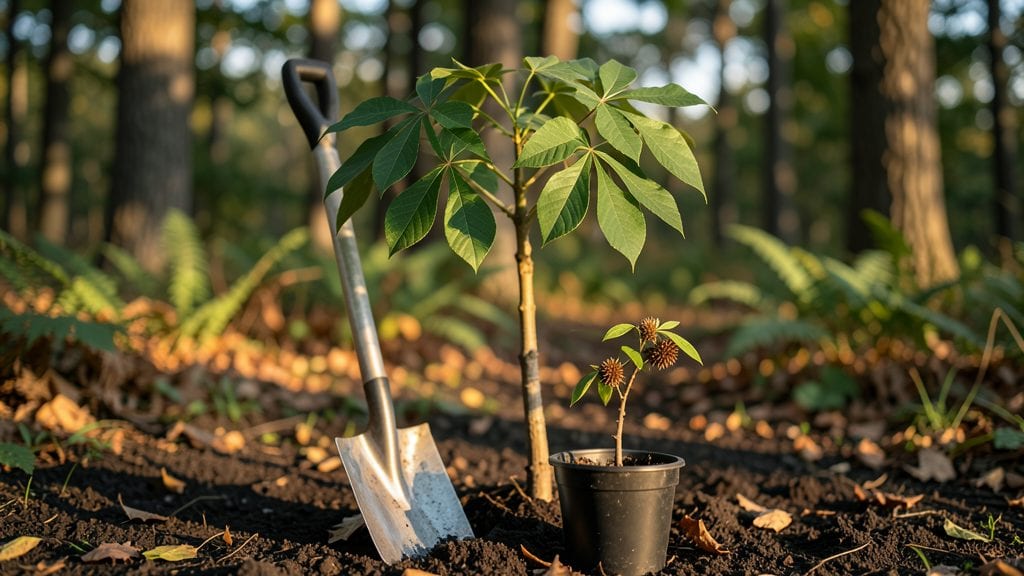
Planting a buckeye tree in the right sunny spot turns a bare patch into a future shade giant with glossy leaves and iconic seed pods.
I’ve planted three varieties—Ohio buckeye, red buckeye, and yellow buckeye—and the difference between a thriving specimen and a struggling one comes down to sunlight, soil, and timing.
The key is choosing a location where the tree gets at least six hours of direct sun daily, especially in its early years when roots are establishing.
You’ll need a hole twice as wide as the root ball but only as deep, with well-draining soil mixed with compost. Buckeyes tolerate a range of soils but hate soggy feet, so amending clay or sandy soil with organic matter makes all the difference.
Spring or early fall are the best times to plant, giving roots time to settle before summer heat or winter frost hits. For varieties like the red buckeye, which thrives in slightly acidic soil, a pH test before planting can save headaches later.
After planting, water deeply to eliminate air pockets, then mulch around the base to retain moisture and keep weeds at bay. The first year is critical—water weekly if rainfall is light, and avoid fertilizing until the second spring.
Within a few years, you’ll see that sunny spot transform into a towering, shade-providing tree with minimal effort. The real payoff? Those iconic seed pods appearing by mid-summer, a sure sign you’ve done everything right.
Whether you’re planting an Ohio buckeye for its classic look or a red buckeye for its vibrant fall color, spacing matters—give mature trees 30 to 50 feet between them to avoid root competition.
If you’re in a smaller yard, consider the yellow buckeye, which stays slightly more compact. The secret to long-term success? Patience and the right placement from day one.
📚 In This Guide
- What you need
- Instructions
- Tips and common mistakes
- Wrapping up and next steps
What you need
- ● Buckeye tree sapling: 1 (choose Aesculus glabra for Ohio buckeye or Aesculus hippocastanum for horse chestnut).
- ● Shovel: 1 (medium-sized, for digging holes 2–3x wider than the root ball).
- ● Garden gloves: 1 pair (to protect your hands from sharp roots and soil).
- ● Mulch: 2–3 bags (shredded bark or wood chips, 2–4 inches deep).
- ● Well-draining potting mix or native soil: 1–2 bags (if amending heavy clay soil).
- ● Watering can or hose: 1 (with a gentle spray nozzle).
- ● Soil test kit: 1 (to check pH—buckeyes prefer 6.0–7.5).
- ● Tree stake & ties: 1–2 (for young saplings in windy areas).
- ● Organic fertilizer: 1 (slow-release, 10-10-10 or balanced formula).
- ● Pruning shears: 1 (for shaping or removing dead branches later).
- ● Drip irrigation system: 1 (for consistent moisture in dry climates).
Step-by-step instructions for planting a buckeye tree
Here's how to give your buckeye tree the strong foundation it needs for decades of growth.
Choose the Perfect Planting Location
Buckeye trees thrive in full sun, so pick a spot that receives at least 6-8 hours of direct sunlight daily. Avoid low-lying areas where cold air collects, as buckeyes are sensitive to frost damage. I like to test a site by observing how sunlight moves across the yard throughout the day—mark where the sun hits the ground for the longest stretch.
Check the soil drainage by digging a hole about 12 inches deep and filling it with water. If the water drains within 2-3 hours, the spot is ideal. If it pools for longer, amend the soil with 2-3 inches of organic compost to improve drainage before planting. Buckeyes hate soggy roots, so poor drainage is their number one enemy.
Dig the Planting Hole and Prepare the Root Ball
Dig a hole twice as wide as the buckeye’s root ball but only as deep as the container it came in. This ensures the tree sits at the same depth it grew in, preventing stress. Loosen the sides of the hole with a shovel to help roots spread easily into the surrounding soil.
If your buckeye is in a container, gently remove it and check the roots. If they’re circling tightly, use your fingers to tease them outward—this encourages outward growth instead of a root-bound mess. Soak the root ball in a bucket of water for 10-15 minutes before planting to hydrate the roots thoroughly.
Position the Tree and Backfill the Soil
Place the buckeye in the center of the hole, ensuring the top of the root ball sits 1 inch above ground level. This slight elevation prevents water from pooling around the trunk. Fill the hole with native soil, tamping it down gently in 2-inch layers to remove air pockets. Avoid compacting too firmly—you want the soil to stay loose for root expansion.
Water the tree deeply right after planting to settle the soil and eliminate air gaps. You’ll know it’s done right when the water drains evenly without creating a muddy crater. Mulch the area with 2-3 inches of wood chips, keeping the mulch 6 inches away from the trunk to prevent rot. This helps retain moisture and regulates soil temperature.
Stake and Water for the First Growing Season
Buckeyes grow tall quickly, so staking helps them establish stability. Use two stakes placed 6 inches from the trunk on opposite sides, tied loosely with soft fabric strips. The goal is to support the tree without restricting growth—check the ties every 2 weeks and loosen them as the tree strengthens.
Water the tree deeply once a week during the first year, providing 10-15 gallons depending on the tree’s size. You’ll know it’s getting enough water when the soil 2 inches below the surface feels moist but not soggy. Overwatering is just as harmful as underwatering, so let the top inch of soil dry out between waterings.
Monitor and Maintain for Long-Term Health
Buckeyes are low-maintenance once established, but the first few years are critical. Watch for yellowing leaves, which often signal overwatering or poor drainage. If you see this, adjust your watering schedule and ensure the soil drains freely. Prune only to remove dead or crossing branches—never shape the tree in its early years, as this stresses young wood.
Fertilize lightly in early spring with a balanced, slow-release fertilizer (10-10-10 ratio) to encourage strong root and foliage growth. Avoid heavy feeding, as buckeyes prefer nutrient-poor soil. With proper care, your tree will develop its signature horse-chestnut-like leaves and eventually produce those iconic spiky seed pods—a true statement plant for any landscape.
Tips & tricks for planting a buckeye tree
A few simple strategies will help your buckeye tree thrive for decades—these are the tricks I’ve learned from years of planting and watching them grow.
Sunlight Strategy: While 6-8 hours of direct sunlight is the ideal, don’t be discouraged if your yard only gets 5 hours. Buckeyes are adaptable and will survive with less, though their growth rate and seed production may be slower. If you’re working with partial shade, choose the sunniest spot available and avoid planting near large trees or structures that cast long shadows.
Drainage Test: The 2-3 hour drainage test is crucial, but don’t stop there. After adding water to your test hole, stick your finger in the wet soil about 1 inch deep. If it feels damp but not soggy after 2 hours, you’re good to go. If water still pools at the bottom after 3 hours, you’ll need to amend the soil with more compost or consider planting on a slight mound to improve drainage.
Root Ball Prep: When soaking the root ball for 10-15 minutes before planting, I like to add a handful of mycorrhizal fungi to the water. These beneficial fungi help the roots establish a symbiotic relationship with the soil, which can make all the difference in the first critical growing season. You can find mycorrhizal powder at most garden centers.
Watering Wisdom: The once-a-week deep watering rule is perfect, but timing matters just as much. Always water in the morning so the leaves have time to dry before evening. Wet foliage at night creates ideal conditions for fungal diseases. Also, avoid watering directly onto the trunk—aim for the root zone instead to encourage deep root growth.
Pro Tips for Planting A Buckeye Tree
- A few simple strategies will help your buckeye tree thrive for decades—these are the tricks I’ve learned from years of planting and watching them grow.
- Sunlight Strategy: While 6-8 hours of direct sunlight is the ideal, don’t be discouraged if your yard only gets 5 hours.
- Drainage Test: The 2-3 hour drainage test is crucial, but don’t stop there.
Frequently asked questions
Got questions about planting your buckeye tree?
Here are some of the most common ones—plus quick, practical answers to help you grow a healthy, thriving tree with confidence!
When is the best time to plant a buckeye tree?
The ideal time to plant a buckeye tree is in early spring or fall, when temperatures are mild and the soil is workable. Avoid planting in extreme heat or frost, as these conditions can stress young roots. Spring planting gives your tree time to establish roots before summer, while fall planting allows for root growth before winter dormancy.
How deep and wide should the planting hole be for a buckeye tree?
The hole should be twice as wide as the root ball but only as deep as the root ball itself. This ensures the tree sits at the same level it was in the nursery, preventing issues like root suffocation or stem rot. Loosen the soil at the bottom of the hole to encourage root spread and add a layer of compost for extra nutrients.
Do buckeye trees need special care after planting?
Yes! Water your buckeye tree deeply once a week (or more often in hot, dry weather) for the first year to help roots establish. Mulch around the base (but keep it 3–4 inches away from the trunk) to retain moisture and regulate soil temperature. Avoid overwatering, as soggy soil can lead to root rot.
Can I plant a buckeye tree in a container or small yard?
Buckeye trees need space to grow—they can reach 30–50 feet tall with a spread of 20–40 feet. While they can start in containers, they’ll need to be transplanted to the ground within 1–2 years to thrive. If space is limited, consider a dwarf variety (like Aesculus parviflora) or a smaller ornamental alternative like a redbud or serviceberry.
Why is my buckeye tree’s leaves turning yellow or dropping?
Yellowing leaves or premature leaf drop can signal overwatering, underwatering, or nutrient deficiencies. Check the soil moisture—it should be evenly damp but not soggy. If the tree was recently planted, it may be adjusting; if older, test the soil for iron or nitrogen deficiencies. Pests like aphids or scale insects can also cause stress—inspect the undersides of leaves and treat with insecticidal soap if needed.
Wrapping up and next steps
Planting a buckeye tree is a rewarding adventure that brings beauty, shade, and a touch of nature’s charm to your landscape! 🌳 With the right sunny spot, well-draining soil, and a little patience, you’ll nurture a thriving tree that’s sure to impress.
Whether you’re a seasoned gardener or just starting out, these steps make the process simple and enjoyable.
Now that you’re ready to plant, take the next step: mark your calendar for regular check-ins with your buckeye. Monitor its growth, prune as needed, and watch it flourish into a stunning centerpiece for your yard. Happy planting—your future tree will thank you! 🌟