
Landscaping
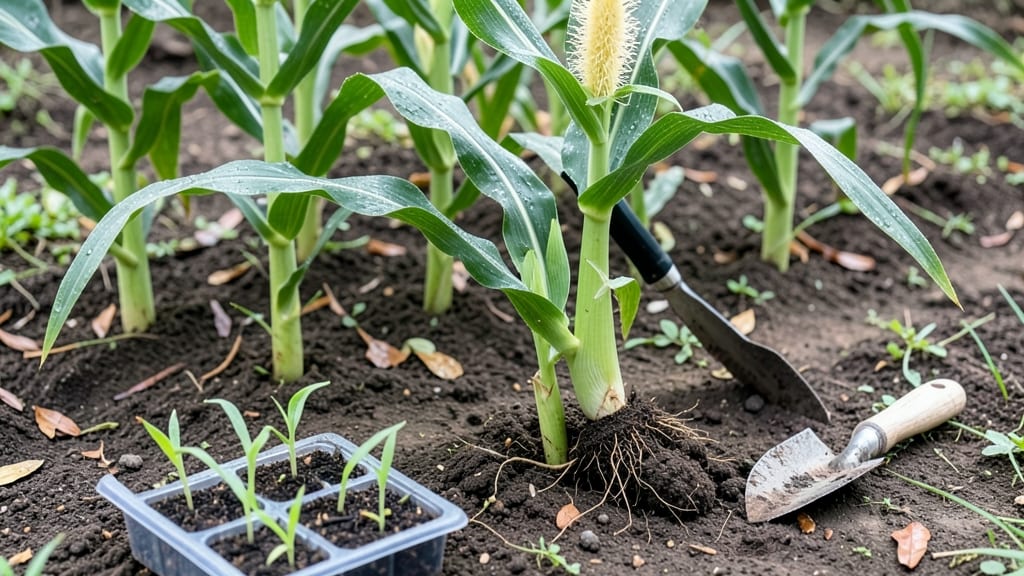
Planting corn in your backyard transforms a patch of soil into a towering, rustling forest of golden ears—if you nail the spacing and timing. 🌽 I’ve learned the hard way that corn needs elbow room (at least 12 inches between plants) and warm soil to germinate reliably, or you’ll end up with scraggly stalks fighting for sunlight.
The payoff? Juicy, buttery kernels straight from your plot, not the grocery store.
Start with a sun-drenched spot—corn craves 6+ hours of direct light daily—and loosen the soil 8-12 inches deep to help roots spread. A light dusting of compost at planting time gives those early shoots a nutrient boost without overwhelming them.
Most backyard gardeners skip this step, and their corn ends up stunted or uneven. Don’t be one of them.
Once planted, keep the soil consistently moist (not soggy) for the first 30 days, then ease back to 1 inch of water per week.
The real magic happens when the tassels appear—those feathery tops mean pollination is underway, and sweetness peaks when kernels are half their final size. Snip a few ears to taste-test; if they’re creamy and milky, harvest within days.
For small spaces, try bush corn varieties—they grow 5-6 feet tall instead of 8+, saving room for beans or squash nearby. And if you’re in a cooler zone, opt for early-maturing hybrids (like ‘Silver Queen’) to beat the frost.
The key? Plant in blocks, not rows, to ensure cross-pollination. Your backyard will soon smell like summer, and your dinner table will thank you.
📚 In This Guide
- What you need
- Instructions
- Tips and common mistakes
- Wrapping up and next steps
What you need
- ● Corn Seeds: Choose sweet corn varieties like 'Silver Queen,' 'Ambrosia,' or 'Peaches & Cream' (1–2 lbs per 100 sq ft). Opt for heirloom or organic seeds for better flavor!
- ● Garden Space: A sunny spot with at least 6–8 hours of direct sunlight daily and well-draining soil. Corn thrives in loamy soil with a pH of 6.0–7.0.
- ● Compost/Organic Matter: 2–3 inches of compost or aged manure to enrich soil before planting.
- ● Fertilizer: A balanced 10-10-10 or 5-10-10 fertilizer (1–2 lbs per 100 sq ft) or organic options like bone meal or worm castings.
- ● Watering Supplies: A hose with a gentle spray nozzle or drip irrigation system (corn needs 1–1.5 inches of water per week).
- ● Planting Tools: Trowel or small shovel
- ● Garden rake (for soil prep)
- ● Measuring tape or ruler (for spacing seeds)
- ● Mulch: Straw or grass clippings (2–3 inches) to retain moisture and suppress weeds.
- ○ Trellis or Stakes (Optional but Helpful): For pole varieties (e.g., 'Country Gentleman'), use 6–8 ft stakes or a trellis to support tall stalks.
- ● Corn Glue or Plant Starter: A biodegradable seed adhesive to prevent wind from blowing seeds away.
- ● Row Covers: Lightweight fabric to protect seedlings from pests or late frosts.
- ● Soil pH Test Kit: To ensure your soil is in the ideal range before planting.
- ○ Corn Pollination Helper: A small hand-held fan (optional) to assist cross-pollination if bees are scarce.
- ● Harvesting Tools: Sharp knife or pruners for cleanly cutting ears.
Step-by-step instructions for planting corn in your backyard
Here’s how to grow corn that’s sweeter, taller, and more productive than store-bought—using proven techniques for backyard success.
🌱 Step 1: Prepare the Soil and Planting Site
Corn thrives in loose, nutrient-rich soil with a pH between 6.0 and 6.8. Work in 2-3 inches of compost into the top 6-8 inches of soil to improve drainage and fertility. If your soil is heavy clay, mix in sand or perlite to loosen it—corn roots need room to spread.
Choose a location with full sun (6+ hours daily) and shelter from strong winds. Corn stalks can reach 7-10 feet tall, so space rows 3 feet apart and plants 12 inches apart within rows. Mark rows with a garden stake or string line to ensure straight, even spacing.
🌱 Step 2: Plant Seeds at the Right Depth and Spacing
Plant seeds 1 inch deep and 12 inches apart in rows, using 4-5 seeds per hill to ensure at least one strong plant per spot. Corn is wind-pollinated, so plant at least 4 rows (or a 4x4 square) to improve pollination success. Thin seedlings to the strongest 2-3 plants per hill once they reach 6 inches tall.
Wait until soil temperatures reach 60°F or warmer before planting—cold soil delays germination. If frost threatens, cover seeds with row fabric until sprouts emerge. You’ll see first true leaves in 7-10 days under ideal conditions.
☀️ Step 3: Water Deeply and Maintain Consistent Moisture
Corn needs 1-1.5 inches of water per week, delivered at the soil level—not overhead. Water deeply 2-3 times per week rather than daily shallow watering, which encourages shallow roots. You’ll know moisture is right when the top 2 inches of soil feel damp but not soggy.
During tasseling (when pollen-covered stalks appear), increase water to 2 inches per week—this is the plant’s most critical growth phase. Mulch with straw or grass clippings to retain moisture and suppress weeds, which compete for nutrients.
✂️ Step 4: Monitor for Pests and Fertilize for Sweetness
Corn earworms and raccoons are the biggest threats. Handpick silks daily and drop them into soapy water to deter earworms. For raccoons, harvest ears before they ripen or use chicken wire cages around plants. You’ll notice silks drying and turning brown—this signals the ear is ready for harvest.
Side-dress with balanced fertilizer (10-10-10) when plants reach 12 inches tall, then again at tasseling. For sweeter corn, reduce nitrogen after tasseling—too much makes ears tough and starchy. The goal is bright green leaves with no yellowing by harvest time.
🌽 Step 5: Harvest at Peak Sweetness
Harvest when silks turn brown and dry and kernels are milky white when pierced with a fingernail. Use a sharp knife to cut stalks at the base, then husk ears immediately. For storage, blanch ears in boiling water for 4 minutes, then cool and freeze in airtight bags.
If you miss the sweet window, corn can stay on the stalk for 2-3 weeks as a field corn variety, but flavor declines rapidly. You’ll know it’s past prime when kernels turn starchy and glassy—harvest before that happens for the best backyard harvest.
Tips & tricks for perfect backyard corn planting
A few game-changing insights that'll transform your backyard corn from decent to downright spectacular.
Soil Preparation Secret: Don't just add compost—work it into the soil until it's fully incorporated down to 6-8 inches. I use a broadfork to aerate the soil first, then mix in that 2-3 inches of compost. This creates the loose, well-draining environment corn roots crave. If you're dealing with heavy clay, consider adding vermiculite instead of perlite—it holds moisture better while still improving drainage.
Planting Strategy: The 12-inch spacing between plants might seem generous, but trust me on this—crowding leads to poor air circulation and increased disease risk. For even better pollination, plant in a square pattern rather than straight rows. This creates a more uniform wind flow that helps those pollen-filled tassels do their job. I've found that planting in blocks also makes hand-picking earworms easier later on.
Watering Wisdom: That 1-1.5 inches per week guideline is perfect, but here's the thing: morning watering is non-negotiable. Watering in the evening can lead to fungal issues from prolonged leaf wetness. During tasseling, I increase to 2 inches per week by watering every other day—just make sure to water at the soil level, not overhead. A soaker hose makes this effortless and prevents disease spread.
Harvest Timing: Those 4 minutes of blanching might seem quick, but they're critical for preserving sweetness. I've learned the hard way that even 30 seconds too long makes corn mushy. For immediate eating, skip blanching and enjoy right away—the flavor peaks at harvest. If you're freezing, that 4-minute blanch is your best friend for maintaining texture and sweetness for months.
Pro Tips for Planting Corn In Backyard
- A few game-changing insights that'll transform your backyard corn from decent to downright spectacular.
- Soil Preparation Secret: Don't just add compost—work it into the soil until it's fully incorporated down to 6-8 inches.
- Planting Strategy: The 12-inch spacing between plants might seem generous, but trust me on this—crowding leads to poor air circulation and increased disease risk.
Frequently asked questions
Got questions about growing corn in your backyard?
You’re not alone—this rewarding (but sometimes tricky) crop sparks curiosity! Here are answers to the most common queries to help you grow sweet, plump ears with confidence.
How deep and far apart should I plant corn seeds?
Corn seeds should be planted 1 to 1.5 inches deep and spaced 4 to 6 inches apart in rows that are 2 to 4 feet apart. For backyard gardens, closer spacing (3–4 inches) works if you’re okay with slightly smaller ears. Pro tip: Use a hill-drop method (planting 3–4 seeds in a small mound) to boost yields!
When is the best time to plant corn in my region?
Corn thrives in warm soil (60°F+), so timing depends on your climate:
- Cool climates (Zones 3–6): Plant after the last frost, mid-April to early June.
- Warm climates (Zones 7–10): Sow in late winter to early spring (avoid summer heat).
- Corn earworms: Use drop cloths over ears or apply Bt spray (organic).
- Rats/squirrels: Harvest promptly or use repellent sprays.
- Aphids: Blast off with a hose or introduce ladybugs.
- Corn rootworms: Rotate crops or plant resistant varieties like ‘Job’s Tears.’
- Large 5-gallon pots (1 plant per pot).
- Raised beds (plant in blocks, not rows for better pollination).
- Balconies with deep containers (12+ inches).
- Poor pollination: Plant in blocks (not rows) and ensure wind or bees can access tassels.
- Nutrient deficiency: Corn loves nitrogen early, phosphorus later. Side-dress with compost or a balanced fertilizer (10-10-10) at tasseling.
- Drought stress: Corn needs 1–1.5 inches of water weekly (especially during silking).
- Overcrowding: Thin seedlings to 10–12 inches apart for better air flow.
Short seasons? Choose fast-maturing varieties (60–70 days) like ‘Ambrosia’ or ‘Silver Queen.’
Watch for: Soil warmth (use a thermometer!) and no more frost threats before planting.What pests should I watch for, and how do I prevent them?
Corn’s biggest foes are:
Can I grow corn in containers or small spaces?
Yes! Corn needs space to pollinate, but bush varieties (like ‘Bodacious’ or ‘Peaches and Cream’) work well in:
Why aren’t my corn ears filling out properly?
Shriveled or empty ears often mean:
Wrapping up and next steps
Growing corn in your backyard isn’t just rewarding—it’s a delicious way to connect with nature while enjoying fresh, homegrown sweetness! 🌽 With the right variety, soil prep, and care, you’ll soon be harvesting plump ears perfect for grilling, roasting, or even popping.
Start small, stay patient, and don’t forget to celebrate every milestone—from sprouts to silks to golden kernels.
Ready to dive in? Pick your favorite variety, mark your planting calendar, and get those seeds in the ground! Whether you’re a first-timer or a seasoned gardener, every backyard harvest is a step toward self-sufficiency and joy. Happy planting—your future meals (and neighbors!) will thank you. 🌱