
Shrubs
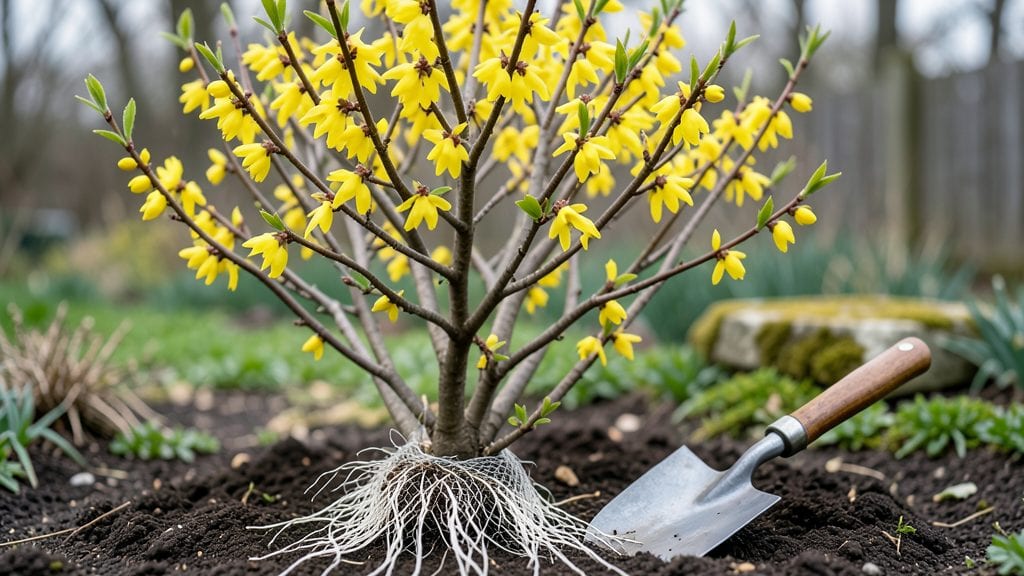
Planting forsythia bushes transforms your yard into a golden spring explosion—those bright yellow blooms arrive earlier than almost any other shrub. 🌿 I planted mine last fall, and by March, the neighbors were already asking where I got them.
The secret isn’t fancy: it’s full sun, well-draining soil, and a little patience.
Start with soil that drains well—forsythia hates soggy roots. Mix in compost if your yard is heavy clay, and pick a spot where they’ll get at least 6 hours of sunlight daily.
Dig holes twice as wide as the root ball but only as deep—plant too deep, and you’ll smother those early blooms.
After planting, water deeply to settle the soil, then mulch to keep moisture in. Within 2-3 weeks, you’ll see new growth pushing through. By next spring, your bushes will be covered in cheerful blooms that brighten even the dreariest mornings.
Works in zones 5 through 8, and thrives in both urban and rural settings. Once established, they’re nearly maintenance-free—just prune after flowering to keep them tidy. Ready to add some sunshine to your landscape?
📚 In This Guide
- What you need
- Instructions
- Tips and common mistakes
- Wrapping up and next steps
What you need
- ● Forsythia bushes: 1–3 bare-root or container-grown plants (depending on desired spacing). Choose Forsythia x intermedia (hardier) or Forsythia suspensa (classic).
- ● Shovel or trowel: A garden shovel for digging holes (12–18 inches deep) or a hand trowel for smaller roots.
- ○ Compost or well-aged manure: 2–3 gallons to enrich planting holes (optional but recommended for nutrient boost).
- ● Mulch: 2–3 inches of wood chips, pine straw, or shredded bark to retain moisture and suppress weeds.
- ● Watering can or hose: With a gentle spray nozzle to avoid disturbing soil.
- ● Gloves: Heavy-duty gardening gloves to protect hands from thorns (some varieties have them!).
- ● Pruning shears: For trimming dead branches post-planting (if needed).
- ● Planting hole marker: Stakes or flags to mark spots before digging.
- ● Root stimulator: Mycorrhizal fungi or a natural rooting hormone to encourage growth.
- ● Soil test kit: To check pH (forsythia thrives in slightly acidic to neutral soil, pH 6.0–7.0).
- ● Slow-release fertilizer: 10-10-10 or balanced granular fertilizer for a post-planting boost.
- ● Drip irrigation system: For automated watering (great for busy gardeners!).
Step-by-step instructions for planting forsythia bushes
Here's the straightforward method I've used to plant forsythia shrubs that burst into bright yellow blooms every spring.
🌱 Step 1: Choose and Prepare the Planting Site
Forsythias thrive in full sun—pick a spot that gets at least 6 hours of direct sunlight daily. They tolerate a range of soil types but grow best in well-draining soil with a slightly acidic to neutral pH (6.1-7.5). If your soil is heavy clay, mix in 2 inches of compost to improve drainage.
Dig a hole that's twice as wide and just as deep as the forsythia's root ball. This gives roots room to spread without crowding. Gently loosen the sides of the hole with a shovel—you want the soil to be loose but not crumbly. If planting multiple bushes, space them 6-10 feet apart to allow for mature growth.
🪴 Step 2: Plant the Forsythia Bushes
Place the forsythia in the hole so the top of the root ball sits 1-2 inches above ground level. This prevents water from pooling around the base and causing rot. Hold the bush steady while you backfill with the native soil, tamping it down lightly every 2 inches to remove air pockets. Water deeply to settle the soil around the roots.
Don't overwater now—you're establishing roots, not blooms. Instead, focus on keeping the soil evenly moist for the first 2-3 weeks. You'll know moisture is right when the top inch of soil feels damp but not soggy. Mulch around the base with 2-3 inches of organic mulch (like wood chips) to retain moisture and suppress weeds, but keep it 3 inches away from the trunk to prevent rot.
☀️ Step 3: Provide Care for the First Growing Season
Forsythias are drought-tolerant once established, but young plants need consistent moisture. Water 1-2 times per week during the first growing season, giving 1-2 gallons per bush each time. You'll see new growth within 4-6 weeks—that's your signal the roots are settling in.
Fertilize lightly in early spring with a balanced, slow-release fertilizer (10-10-10) to encourage strong root and shoot growth. Avoid high-nitrogen fertilizers—they promote leafy growth at the expense of flowers. Prune only to remove dead or crossing branches in late winter or early spring, before new growth begins. This keeps the bush healthy and encourages vibrant blooms next season.
⏰ Step 4: Monitor and Adjust for Long-Term Success
Watch for signs of stress like yellowing leaves or stunted growth. Forsythias often drop leaves in early spring before blooming—that's normal. However, if leaves stay yellow or wilt, adjust watering or check for pests like aphids. Aphids are common but easily controlled with a strong spray of water or insecticidal soap.
After the first year, forsythias require minimal care. They're hardy in USDA Zones 5-8 and handle winter temperatures down to -20°F. If your winters are colder, mulch heavily around the base in late fall to protect roots. By year three, you'll have a bush that bursts into cheerful yellow blooms every spring with almost no effort.
Tips & tricks for perfect forsythia planting
Between us, planting forsythia bushes is easier than you think—once you know these simple tricks to avoid common mistakes. I've planted dozens over the years, and these insights will help you skip the trial-and-error phase.
The Sunlight Secret: While forsythias thrive in full sun, I've found they can handle 4-5 hours of direct sunlight in hotter climates—just watch for slightly smaller blooms. The key is morning sun exposure, which prevents afternoon wilting. If your yard has afternoon shade, plant on the north side of structures to maximize morning light.
Soil Prep Pro Tip: Don't skip loosening the sides of that planting hole! I learned this the hard way after struggling with poor drainage in compacted soil. Use a garden fork to gently loosen the sides 6-8 inches deep—this encourages roots to spread outward rather than circling the root ball. For clay-heavy soils, mix in 2 inches of compost or sand to improve drainage before planting.
Watering Wisdom: Those first 2-3 weeks are critical for root establishment. I set a timer to remind myself to check soil moisture daily—stick your finger 1 inch deep into the soil. If it feels dry, water deeply until moisture reaches 6 inches down. Overwatering now can suffocate roots, so let the soil dry slightly between waterings after the initial settling period.
Mulching Matters: The 2-3 inches of organic mulch we talked about isn't just for looks—it's a game-changer. Spread it in a donut shape, keeping it 3 inches away from the trunk to prevent rot. For extra protection in winter, add an additional 2 inches of mulch after the first frost. This insulation helps roots survive temperatures down to -20°F without any extra effort from you.
Pro Tips for Planting Forsythia Bushes
- Between us, planting forsythia bushes is easier than you think—once you know these simple tricks to avoid common mistakes.
- The Sunlight Secret: While forsythias thrive in full sun, I've found they can handle 4-5 hours of direct sunlight in hotter climates—just watch for slightly smaller blooms.
- Soil Prep Pro Tip: Don't skip loosening the sides of that planting hole!
Frequently asked questions
Got questions about planting forsythia bushes? You’re not alone! Here are answers to the most common queries to help you grow a stunning spring display with confidence.
When is the best time to plant forsythia bushes?
The ideal time is early spring or fall—when soil is workable but not frozen. Planting in spring (before buds swell) ensures roots establish before summer heat, while fall (6 weeks before frost) gives them time to settle before winter. Avoid planting in extreme heat or drought.
How long does it take for forsythia to bloom after planting?
Patience pays off! Mature forsythia bushes (3–5 years old) bloom reliably, but newly planted shrubs may take 2–3 years to flower. Focus on proper care (watering, sunlight, soil) to speed up the process. Yellow blooms are worth the wait!
Can I plant forsythia in a pot instead of the ground?
Yes, but choose a large container (at least 18–24 inches deep) with drainage holes. Use well-draining potting mix and repot every 2–3 years. Containers limit root growth, so expect smaller blooms and more frequent watering. Best for patios or small spaces!
Why aren’t my forsythia leaves turning yellow, and how do I fix it?
Yellow leaves often signal overwatering, poor drainage, or nutrient deficiency. Check soil moisture—forsythia prefers moderately moist but well-drained soil. Amend heavy clay with compost or sand. If leaves are pale, fertilize lightly in early spring with a balanced shrub fertilizer.
Do forsythia bushes need full sun, or can they tolerate partial shade?
While they thrive in full sun (6+ hours daily), forsythia can tolerate partial shade (4–6 hours), especially in hot climates. Too little light? Expect fewer blooms and leggy growth. If planting in shade, choose a variety like ‘Spring Glory’, which adapts better.
Wrapping up and next steps
Planting forsythia bushes is a rewarding way to bring vibrant spring color to your garden with minimal effort! 🌸 With the right location, soil prep, and a few simple steps, you’ll enjoy cheerful yellow blooms year after year.
Now that you’re equipped with the know-how, grab those gloves and get planting—your future springtime centerpiece is just a few shovels away!
Ready to watch your garden transform? Next, explore pruning tips to keep your forsythia healthy and blooming beautifully for seasons to come!