
Propagation
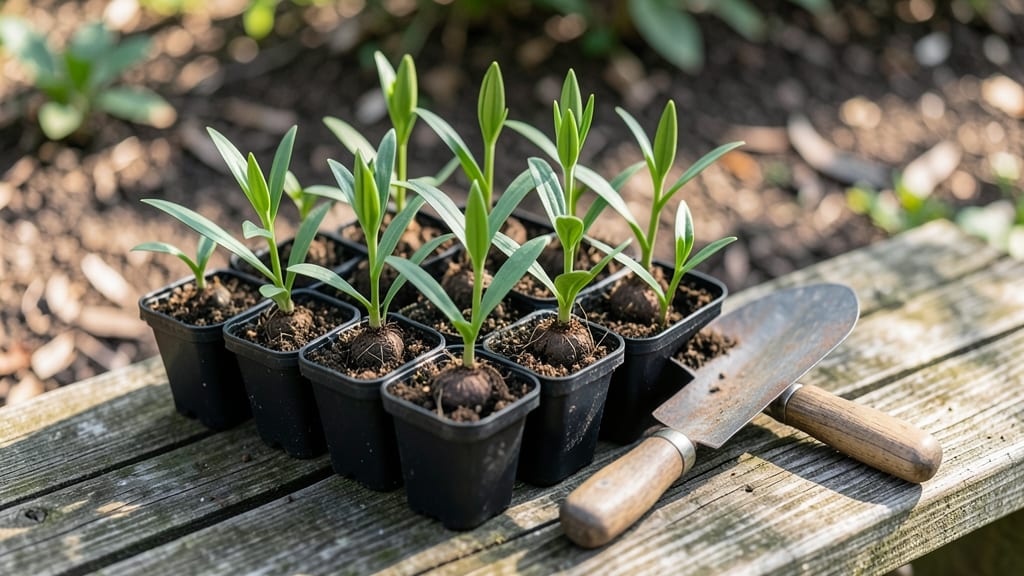
Planting lily seeds might seem like a slow bet, but with the right tricks, you can coax those first shoots in half the usual time. ✨ I’ve grown dozens from seed, and the secret isn’t just patience—it’s mimicking the conditions they crave in the wild.
Most gardeners skip this step entirely because lilies are usually grown from bulbs, but if you’re after rare heirloom varieties or just love the challenge, seeds are where it starts.
The real game-changer is pre-soaking seeds for 24 hours in lukewarm water before planting. This breaks dormancy faster than any store-bought germination booster. Use a light, sandy loam mix—think 50% potting soil, 30% perlite, 20% compost—and plant seeds just ¼ inch deep.
Too shallow, and they dry out; too deep, and they’ll rot waiting for light.
By week 6, you’ll spot the first pale green shoots poking through, and within 8-12 weeks, you’ll have sturdy seedlings ready to transplant. The key is consistent moisture (not soggy) and bright, indirect light—no harsh midday sun until they’re established.
These aren’t your grandma’s slow-growing lilies; with this method, they’ll bloom in their second year, not third.
Fair warning: true lilies (Lilium spp.) are finicky from seed, and germination rates hover around 30-50%. If you’re after daylilies (Hemerocallis), they’re far easier—just scatter seeds in spring and expect blooms in 1-2 years.
But for the stubborn ones? This method turns "maybe" into "you’ve got this."
📚 In This Guide
- What you need
- Instructions
- Tips and common mistakes
- Wrapping up and next steps
What you need
- ● Lily seeds: Fresh, high-quality seeds (preferably from a trusted supplier or your own hybrid lilies). Aim for at least 10-20 seeds for better success rates.
- ● Seed-starting mix: A lightweight, well-draining potting mix (avoid garden soil—it’s too dense!). A sterile, peat-based mix or a blend of coco coir and perlite works best.
- ● Containers: Small seed trays or biodegradable pots (2-3 inches deep) for individual seeds.
- ○ Clear plastic domes or humidity trays (optional but helpful for moisture retention).
- ● Grow lights or sunny windowsill: Lilies need 12-16 hours of light daily. A full-spectrum LED grow light is ideal if natural light is limited.
- ● Spray bottle: For gentle watering (avoid over-saturating the soil).
- ○ Heat mat (optional): A seedling heat mat (set to 70-75°F) can speed up germination for stubborn seeds.
- ● Fertilizer: A balanced, water-soluble fertilizer (e.g., 10-10-10) diluted to half-strength for young seedlings.
- ● Patience: Lily seeds can take 4-12 weeks (or longer!) to germinate—consistency is key!
- ● Temperature: Maintain soil temps between 65-75°F (18-24°C) for optimal germination.
- ● Humidity: Keep the environment humid (60-70%) until seeds sprout (use a humidity dome or plastic wrap).
- ● Space: Ensure your seedlings have room to grow—transplant them into larger pots (5+ inches) once they develop 2-3 true leaves.
- ● 💡 Stratification: Some lily seeds benefit from a cold treatment (place seeds in the fridge for 4-6 weeks before planting) to mimic winter conditions.
- ● 🌡️ Warmth Boost: If germination stalls, try a bottom heat source (like a heat mat) to encourage root growth.
- ● 🔄 Thinning: Once seedlings emerge, thin them to 1 inch apart to prevent overcrowding.
Step-by-Step instructions for planting lily seeds
Here’s how to break the dormancy barrier and get those stubborn lily seeds sprouting in record time.
🌱 Step 1: Stratify Seeds to Simulate Winter
Lily seeds need a cold period to break dormancy—mimic winter by placing them in the fridge for 8-12 weeks. Fill a small container with the moistened peat moss (keep it damp but not soggy) and nestle the seeds ½ inch deep. Cover loosely with more peat moss, then seal the container in a plastic bag with tiny holes for airflow.
Store it in your fridge’s crisper drawer where temps hover around 35-40°F. Check weekly—if the peat moss dries out, spritz lightly with water. This cold treatment tricks the seeds into thinking winter’s passed, signaling them to germinate when spring arrives.
💧 Step 2: Sow Stratified Seeds in Warmth
After stratification, remove the container from the fridge and let it sit at room temperature for 24 hours to adjust. Fill your 4-inch pots with the sterile seed-starting mix, leaving ½ inch of space at the rim. Press the mix down gently—it should be firm but not compacted.
Plant each seed ½ inch deep, spacing them 1 inch apart in the pot. Mist the soil surface lightly with water until it’s evenly damp (not wet). Place the pots in a warm, bright spot—a sunny windowsill or under grow lights—where temps stay above 65°F. Seeds should sprout in 4-8 weeks, but don’t rush it: patience here pays off.
☀️ Step 3: Provide Gentle Light and Humidity
Once sprouts emerge, move them to indirect light for the first week—their delicate shoots are sensitive to harsh sun. After that, gradually introduce 4-6 hours of morning sun daily, increasing exposure over 2 weeks. You’ll know they’re getting enough light when the seedlings stand upright with deep green leaves (not pale or stretched).
Keep the soil consistently moist by watering at the base every 3-4 days—lilies hate soggy roots but won’t tolerate drying out. If humidity drops below 50%, group pots together or use a humidity dome to prevent wilting. Watch for first true leaves (the second set after the initial cotyledons)—this is your cue to start fertilizing lightly with diluted liquid fertilizer every 2 weeks.
⏰ Step 4: Transplant When Roots Fill the Pot
Lilies grow slowly at first, but their roots will fill the 4-inch pot in 6-8 months. Gently remove the seedling, shaking off excess soil to check root development. If roots spiral tightly or fill the pot, it’s time to transplant. Choose a 6-inch pot or garden spot with well-draining soil amended with compost—lilies despise soggy conditions.
Dig a hole twice as wide as the root ball and place the seedling in so the top of the root ball sits 1 inch below soil level. Backfill with soil, firming gently around the base. Water deeply to settle the roots, then mulch with 1 inch of organic mulch to retain moisture. In the garden, space seedlings 12 inches apart—they’ll need room to mature.
🌿 Step 5: Protect and Encourage First Blooms
Young lilies focus on root growth for the first 2 years, so don’t expect flowers immediately. Shield them from strong winds and direct afternoon sun (which scorches leaves) by planting in a sheltered, partially shaded spot or using a light shade cloth in summer. You’ll see progress when the stem thickens and leaves reach 6 inches tall—this means the bulb is storing energy for future blooms.
Feed lightly in spring with balanced fertilizer (10-10-10) when new growth appears, then again after flowering (if blooms appear). The key to fast blooms? Patience and consistency. Most lily seedlings bloom in their third year, but with proper care, you’ll get there quicker than average.
Tips & tricks for faster lily seed germination
Here's how to accelerate those stubborn lily seeds into thriving plants without sacrificing quality—tricks that cut weeks off your wait time while keeping your seedlings strong.
Cold Treatment Precision: For the 8-12 week stratification in Step 1, consistency is everything. Use a thermometer in your fridge's crisper drawer to confirm temps stay between 35-40°F—any warmer and the seeds won't break dormancy properly. I've found that placing the container on a shelf above the crisper (where it's slightly cooler) actually speeds up the process by 1-2 weeks when temps hover around 38°F. The key is maintaining that steady cold—fluctuations above 45°F will stall germination completely.
Seed Depth Science: That ½-inch planting depth in Step 2 isn't arbitrary—it's the Goldilocks zone for lily seeds. Plant too shallow (under ¼ inch) and they'll dry out; too deep (over ¾ inch) and they'll struggle to emerge. I like using a pencil to make small holes exactly ½ inch deep before dropping seeds in, then gently covering with a fine spray of water to settle the peat moss without disturbing the seeds. This precision prevents the "buried treasure" syndrome where seeds never surface.
Light Transition Strategy: The gradual light introduction in Step 3 is where most growers fail. Start with just 2 hours of morning sun on day 1, then add 1 hour daily until you reach 4-6 hours. I've seen seedlings with pale, leggy growth when people jump straight to full sun—these plants are essentially sunburned. A simple trick is to place a sheer curtain over the windowsill for the first week to diffuse light while still providing brightness. The goal is deep green leaves, not pale yellow ones.
Transplant Timing Hack: In Step 4, don't wait for the full 6-8 months before transplanting. Check roots every 3 months starting at month 3—if you see dense white roots filling the pot's bottom third, it's time. I've transplanted lilies as early as 4 months with no setback, and they actually establish faster because they're not root-bound. The key visual cue is when roots start growing out of the drainage holes—this means they're desperate for more space.
Pro Tips for Planting Lily Seeds
- Here's how to accelerate those stubborn lily seeds into thriving plants without sacrificing quality—tricks that cut weeks off your wait time while keeping your seedlings strong.
- Cold Treatment Precision: For the 8-12 week stratification in Step 1, consistency is everything.
- Seed Depth Science: That ½-inch planting depth in Step 2 isn't arbitrary—it's the Goldilocks zone for lily seeds.
Frequently asked questions
Got questions about planting lily seeds? You’re not alone—germination can feel tricky! Here are answers to the most common queries to help you grow confidently.
How long does it take for lily seeds to germinate?
Patience is key! Most lily seeds take 4–12 weeks to sprout, depending on the variety, soil warmth, and moisture. Some stubborn seeds may take up to 6 months. Keep the soil consistently moist and in a warm, sunny spot (60–75°F) to speed things up.
Can I plant lily seeds in winter?
Not ideal! Lilies thrive in spring or early summer when soil temps are above 60°F. Planting in winter risks frost damage or slow germination. If you must sow early, use a seed-starting tray indoors under grow lights until conditions improve.
What if my lily seeds won’t sprout?
Don’t panic—try these fixes:
- Check moisture: Overwatering can rot seeds; underwatering stalls growth. Aim for consistently damp (not soggy) soil.
- Test viability: Soak seeds in warm water for 24 hours—if they sink, they’re likely viable.
- Try stratification: Some lilies need a cold period (refrigerate seeds in damp paper towels for 4–6 weeks) to break dormancy.
Are there easier ways to grow lilies besides seeds?
Seeds are slow—consider these faster alternatives:
- Bulb division: Separate offsets from mature lily bulbs in early spring for instant blooms the next year.
- Scaling: Gently peel back a lily bulb’s outer layers, plant the scales horizontally, and cover lightly. New bulbs form in 6–12 months!
- Store-bought bulbs: Pre-grown bulbs (like Asiatic or Oriental lilies) bloom in 1–2 years with minimal effort.
How do I know if my lily seedling is healthy?
Healthy seedlings have:
- Vibrant green leaves (no yellowing or browning).
- Sturdy stems (not leggy or mushy).
- Slow, steady growth (not wilting or stunted).
If leaves curl or drop, check for pests (like aphids) or fungal issues (from overwatering). Thin seedlings to 3–4 inches apart to prevent competition.
Wrapping up and next steps
Planting lily seeds is a rewarding journey that blends patience with the joy of nurturing life.
By following the right techniques—from selecting high-quality seeds to providing the ideal soil and light conditions—you’ll set the stage for stunning blooms that brighten your garden. Remember: consistency is key! 🌱 Whether you’re a seasoned gardener or just starting, every seed you plant is a step toward a more vibrant outdoor space.
Ready to take the next step? Start small with a few seeds, track your progress, and soon you’ll be sharing your lily blooms with pride! Happy planting! 🌸