
Tools
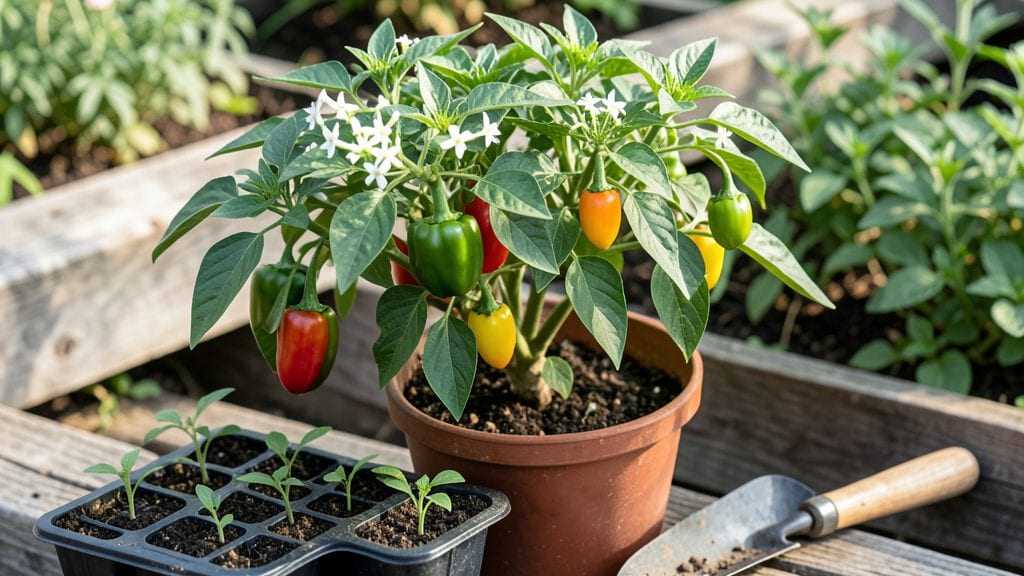
Planting peppers in your garden means juicy harvests if you nail the spacing and sunlight—two things I used to mess up every year until I finally got it right. 🌿 The first time I planted them too close, they fought for light and produced tiny, bitter peppers instead of the plump, sweet ones I wanted.
Now I know exactly how much room they need to thrive.
Start with well-draining soil mixed with compost, and plant seeds about ¼ inch deep, 12-18 inches apart in rows spaced 18-24 inches apart. Peppers crave 6-8 hours of direct sun daily, so pick the sunniest spot in your yard—even partial shade can stunt their growth.
Water consistently but avoid soggy soil, which leads to rot.
Within 6-8 weeks, you’ll see strong, bushy plants with the first signs of blossoms. The real magic happens when you start harvesting those glossy red, yellow, or green peppers in 70-90 days, depending on the variety.
The key is patience—don’t rush the spacing or watering, and you’ll end up with a garden that’s the talk of the neighborhood.
This method works for bell peppers, jalapeños, and even hotter varieties, though larger peppers need the extra space. Whether you’re growing in raised beds or straight in the ground, these spacing secrets will turn your pepper patch into a foolproof harvest every season.
📚 In This Guide
- What you need
- Instructions
- Tips and common mistakes
- Wrapping up and next steps
What you need
- ● Peppers: 6–10 seeds or seedlings (choose varieties like Jalapeño, Bell, or Cayenne based on your taste and climate).
- ● Well-draining potting mix: 5–10 gallons (look for a blend labeled for vegetables or peppers—avoid garden soil if it’s heavy or clay-like).
- ● Containers or garden bed: Containers: 5-gallon pots or larger (1 plant per container; ensure drainage holes).
- ● Garden bed: 18–24 inches of space per plant (peppers love room to stretch!).
- ● Fertilizer: Balanced organic fertilizer (10-10-10 or 5-5-5 ratio) or compost (1 cup per plant at planting time).
- ● Mulch: Straw or shredded leaves (2–3 inches thick to retain moisture and suppress weeds).
- ● Garden trowel or hand shovel (for transplanting seedlings).
- ● Watering can or hose with a gentle nozzle (peppers hate soggy roots!).
- ○ Gloves (optional but helpful for handling spicy varieties or prickly plants).
- ● Pruning shears (for trimming leggy plants or removing damaged leaves).
- ○ Stakes or cages (optional for tall varieties like Bell peppers—3–4 feet tall).
- ○ pH testing kit (optional but useful; peppers thrive in 6.0–6.8 pH).
- ● Sunlight: Full sun (6–8+ hours daily).
- ● Warmth: Wait until soil temperature reaches 60°F+ (use a soil thermometer if unsure).
- ● Water: Consistent moisture (1–1.5 inches per week; avoid wetting leaves to prevent disease).
- ● Patience: Peppers take 60–90 days to mature—plan ahead!
Step-by-step instructions for planting peppers in the garden
Here’s the foolproof method I’ve used to grow peppers that thrive from transplant to harvest.
🌱 Step 1: Prepare the Soil for Peppers
Peppers love soil that drains well but holds moisture—think of it as a sponge that doesn’t drown roots. Before planting, loosen the top 12 inches of soil with a garden fork or tiller. This breaks up compaction so roots can spread easily. I mix in a handful of compost into the loosened soil for every 2 square feet—this adds nutrients without overwhelming the plants.
Peppers also need a slightly acidic to neutral pH between 6.0 and 7.0. If your soil is heavy clay or sandy, amend it with 2 inches of organic matter like compost or well-rotted manure. Work it into the soil until it’s dark and crumbly. The goal is soil that holds moisture but doesn’t stay soggy—peppers hate wet feet.
🌿 Step 2: Space and Plant Transplants Correctly
Peppers need room to breathe, especially if you’re growing large varieties like bell peppers or jalapeños. Space plants 18-24 inches apart in rows that are 24-36 inches apart. This gives them enough air circulation to prevent fungal diseases and room to grow without competing for nutrients.
Dig a hole slightly larger than the root ball of your pepper transplant. Gently remove the plant from its container and place it in the hole so the top of the root ball sits just below soil level. Fill the hole with soil and press lightly around the base to eliminate air pockets. Water deeply right after planting to help the roots settle into the soil.
☀️ Step 3: Provide Full Sun and Consistent Water
Peppers are sun-worshippers and need 6-8 hours of direct sunlight daily. If your garden gets partial shade, choose smaller varieties like chiles or Thai peppers, which tolerate slightly less sun. After planting, water deeply once a week, providing 1-1.5 inches of water per week. I like to water in the morning so the foliage dries quickly, reducing the risk of disease.
Here’s the thing—peppers hate inconsistent moisture. Let the top 1-2 inches of soil dry out between waterings, but never let the soil stay bone-dry for more than a few days. Mulch around the base with 2-3 inches of straw or shredded leaves to retain moisture and keep roots cool. You’ll see healthier plants and better fruit production when the soil stays evenly moist.
✂️ Step 4: Monitor and Support Growth
As peppers grow, they may need support, especially if you’re growing tall varieties like banana peppers or habaneros. Install cages or stakes at planting time to avoid disturbing roots later. Gently tie the main stem to the support as it grows, using soft plant ties or old fabric strips.
Watch for pests like aphids or spider mites, which love pepper plants. I inspect leaves weekly and blast them off with a strong spray of water if I spot any. Prune suckers—those little shoots that grow in the leaf axils—unless you’re growing a pepper variety that benefits from pruning, like some heirloom types. This keeps the plant’s energy focused on producing fruit instead of extra foliage.
🌶️ Step 5: Harvest at Peak Ripeness
Peppers are ready to harvest when they reach full size and develop their characteristic color—green, red, yellow, or orange, depending on the variety. Use pruning shears or a sharp knife to cut the pepper from the plant, leaving a small stem attached. This prevents damage to the plant and encourages more fruit to grow.
Harvest regularly to keep the plant producing. If you let peppers stay on the vine too long, they’ll become overripe and the plant may slow down its fruit production. Store freshly harvested peppers in a cool, dry place or refrigerate them to extend their shelf life. You’ll know you’re doing it right when your pepper plants keep producing new fruit right up until the first frost.
Tips & tricks for perfect pepper planting in the garden
Between us, these spacing and soil secrets will transform your pepper harvest from "meh" to "wow."
Soil Prep Payoff: Don't just loosen that top 12 inches—think of it like fluffing a pillow for your pepper roots. Use a garden fork to break up any hardpan below, especially if your soil feels compacted. I've seen peppers double their yield just from this extra effort. For heavy clay soil, mix in 2 inches of sand along with your compost to improve drainage without sacrificing moisture retention.
Spacing Secret: That 18-24 inch spacing between plants isn't just about air circulation—it's about sunlight access to the lower leaves. Crowded plants develop fungal issues because shade creates damp conditions. For tall varieties like banana peppers, space them at the wider end of the range (24 inches) so they don't compete for light with their own shadows.
Watering Wisdom: The 1-2 inch soil dryness rule works best when you check with your finger—not just eyeballing the surface. In hot climates, you might need to water twice weekly instead of once. I've learned the hard way that peppers wilt dramatically when they're thirsty, but they never bounce back as well as when you catch dehydration early.
Support Strategy: Install those cages or stakes at planting time, not when the plant is already leaning. The roots will thank you for not disturbing them later. For heavy fruiting varieties like bell peppers, use tomato cages—they're stronger than they look and provide better support for those weighty harvests.
Pro Tips for Planting Peppers In Garden
- Between us, these spacing and soil secrets will transform your pepper harvest from "meh" to "wow."
- Soil Prep Payoff: Don't just loosen that top 12 inches—think of it like fluffing a pillow for your pepper roots.
- Spacing Secret: That 18-24 inch spacing between plants isn't just about air circulation—it's about sunlight access to the lower leaves.
Frequently asked questions
Got questions about growing peppers? You’re not alone! Here are answers to the most common queries to help you cultivate a thriving pepper patch with confidence.
When is the best time to plant peppers in my garden?
Peppers thrive in warm soil—wait until after the last frost date when nighttime temps stay above 50°F (10°C). For cooler climates, start seeds indoors 8–10 weeks before transplanting. In warmer zones, direct-sow seeds in late spring for a head start.
How far apart should I space pepper plants?
Spacing depends on variety: bell peppers need 18–24 inches apart, while hot peppers (like jalapeños) can grow closer at 12–18 inches. For bush varieties, space rows 24–36 inches apart. Overcrowding reduces airflow, increasing disease risk.
What if my pepper plants wilt or turn yellow?
Wilting often signals underwatering or heat stress, while yellow leaves may mean overwatering, nutrient deficiency, or pests. Check soil moisture (top inch should be dry), adjust watering, and inspect for aphids or spider mites. Mulch helps retain moisture and regulate temps.
Can I grow peppers in containers instead of a garden bed?
Use 5-gallon pots or larger for dwarf varieties (like ‘Shishito’ or ‘Cherry Bomb’). Ensure pots have drainage holes and fill with well-draining potting mix. Place containers in full sun (6+ hours/day) and fertilize regularly for compact growth.
How do I know when peppers are ready to harvest?
Harvest when peppers reach their full color and size (green, red, yellow, etc.). For hot peppers, taste one to check heat level. Use pruning shears to cut stems (don’t pull) to avoid damaging plants. Harvesting encourages more production—so pick often!
Wrapping up and next steps
Growing peppers in your garden is a rewarding journey that combines sunshine, patience, and a little know-how—and you’ve got all the tools to succeed! Whether you’re planting sweet bell peppers or fiery jalapeños, proper spacing and care will unlock a harvest bursting with flavor. 🌱
Now that you’re armed with spacing secrets and expert tips, it’s time to roll up your sleeves and get planting! Start small if you’re new, track your progress, and soon you’ll be reaping the delicious (or spicy!) fruits of your labor. Happy gardening—and may your peppers thrive! 🌿✨