
Lawn
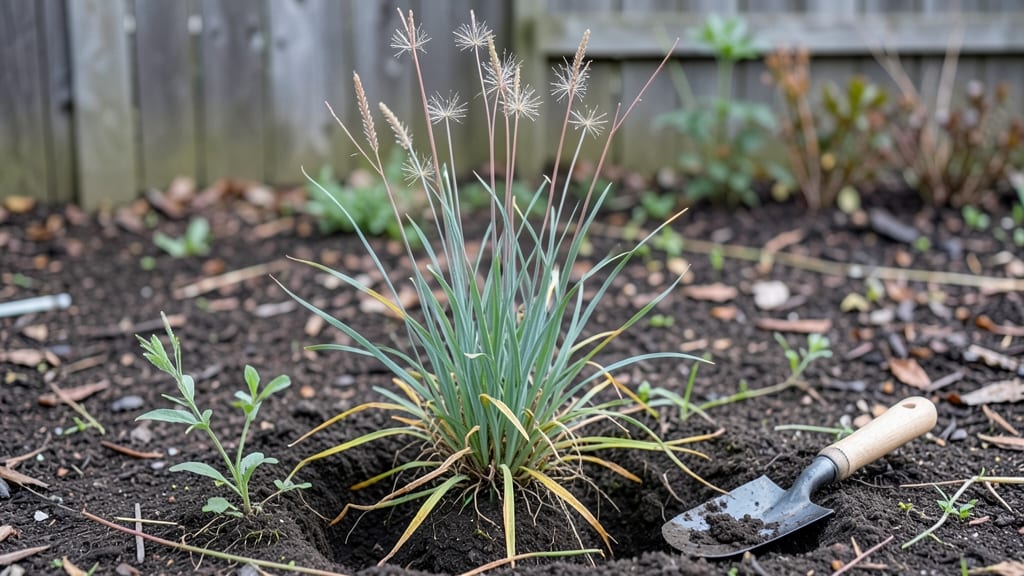
Planting prairie grass transforms a high-maintenance yard into a lush, drought-resistant landscape that thrives on its own. ✨ I’ve watched my own patch go from bare soil to a golden sea of native grasses in just two seasons—no mowing, no fertilizing, just pure, resilient beauty.
The key isn’t just dropping seeds; it’s preparing the soil right and choosing the perfect spot where nature does most of the work for you.
You’ll need a sunny area with well-draining soil (even rocky ground works), a handful of native seed mixes, and a little patience. Most prairie grasses grow best in full sun and handle poor soil better than lawns ever could.
The upfront prep—scratching the soil lightly and removing weeds—takes about an hour, but the payoff is years of zero-maintenance growth that hums with life.
Once established, prairie grass stays green through droughts, blooms with wildflowers in summer, and provides shelter for pollinators. You’ll trade weekly mowing for an occasional trim in early spring, and the results—taller, fuller, and more vibrant—speak for themselves. This isn’t just a lawn; it’s an ecosystem.
Perfect for urban yards, rural acres, or anywhere you’re tired of fighting weeds and watering. The best time to plant is late summer or early fall, when seeds germinate in cooler soil. Let’s get your patch started—nature’s way is the easiest way.
📚 In This Guide
- What you need
- Instructions
- Tips and common mistakes
- Wrapping up and next steps
What you need
- ● Prairie grass seed mix: Choose a high-quality, native blend (e.g., Big Bluestem, Little Bluestem, or Switchgrass). Aim for 1–2 lbs per 100 sq ft for optimal coverage.
- ● Soil testing kit: Ensure your soil pH is 6.0–7.5 (prairie grasses thrive in slightly acidic to neutral soil). Adjust with lime (to raise pH) or sulfur (to lower pH) if needed.
- ● Tiller or rototiller: Loosen soil to a depth of 4–6 inches to break up compaction and improve seed-to-soil contact.
- ● Garden rake: Smooth the soil surface after tilling to create a fine, even bed for seeding.
- ○ Broadcast spreader (optional but helpful): Ensures even seed distribution—especially useful for larger areas.
- ● Water source (hose or sprinkler): A gentle misting system or soaker hose is ideal for consistent moisture.
- ● Mulch (straw or wood chips): Apply a light layer (¼ inch) to retain moisture and protect seeds from birds or erosion.
- ● Compost or organic fertilizer: Mix 1–2 inches of compost into the topsoil to boost nutrients (skip if soil is already rich).
- ● Erosion control blanket: Useful for sloped areas to hold seeds in place until germination.
- ● Handheld seeder: Great for small patches or intricate designs.
- ● Gloves & knee pads: Because comfort (and clean hands!) matter.
- ● Native plant guidebook: Helps identify local prairie grasses and companion plants for a thriving ecosystem.
Step-by-Step instructions for planting prairie grass
Here's how to create a stunning, low-maintenance prairie grass landscape that thrives with minimal water.
🌱 Step 1: Choose the Right Location and Prepare the Soil
Prairie grasses love full sun—select a spot that gets at least 6 hours of direct sunlight daily. These tough plants hate soggy soil, so avoid low-lying areas where water pools. Clear the site of weeds and debris, then loosen the top 6 inches of soil with a shovel or rototiller. The goal is to break up compaction without turning the soil into a powdery mess.
If your soil drains poorly, mix in 2-3 inches of coarse sand or compost to improve aeration. Prairie grasses are drought-tolerant once established, but they’ll thank you for a head start with well-draining soil. Test the moisture by squeezing a handful—it should crumble slightly when dry but not feel like concrete.
💧 Step 2: Plant Seeds or Sod at the Right Time
For best results, plant in early spring or fall when temperatures are mild (50-75°F). Scatter seeds thinly—prairie grasses need space to spread naturally. Aim for about 5-10 seeds per square foot, then lightly rake them into the soil so they’re covered with just ¼ inch of dirt. Press the soil gently to ensure good seed-to-soil contact.
If you’re using sod, lay pieces end-to-end with a ¼-inch gap between them. Water immediately after planting to help roots settle. Avoid walking on the area until you see new growth—this prevents disturbing the seeds or sod. You’ll know it’s working when tiny green shoots appear in 7-14 days.
☀️ Step 3: Water Deeply but Infrequently
Keep the soil consistently moist (but not soggy) for the first 4-6 weeks after planting. Water deeply 2-3 times per week, soaking the soil to a depth of 4-6 inches. This encourages deep root growth, which is key for drought tolerance. Use a hose with a gentle spray or soaker hose to avoid dislodging seeds or disturbing young plants.
Once the grass reaches 6-12 inches tall, cut back on watering. Prairie grasses thrive on neglect—after the first year, water only when the soil feels dry 2-3 inches deep. You’ll know it’s established when it goes dormant in summer heat and bounces back with rain.
✂️ Step 4: Mow Strategically to Encourage Growth
Wait until the grass reaches 18-24 inches tall before your first mow. Use a string trimmer or scythe to cut back about ⅓ of the height—this prevents weakening the plants. Mow in late summer or early fall when growth slows naturally. Avoid mowing in winter, as the dead foliage protects roots from freezing.
Leave the clippings on the ground—they’ll decompose and return nutrients to the soil. Over time, you’ll see the prairie grass develop its signature wavy, textured look. If any weeds pop up, pull them early before they compete with your grasses for resources.
🌿 Step 5: Enjoy Low-Maintenance Beauty Year After Year
Once established, prairie grass requires almost no upkeep. Fertilizer isn’t needed—these grasses thrive in poor soil. In late winter, you can lightly rake out dead foliage to tidy up, but most gardeners leave it for winter interest. If you notice bare patches, scatter fresh seed or transplant plugs to fill them in.
Watch as your prairie grass sways in the breeze, attracts pollinators, and reduces your water bill. With just a little patience, you’ll have a landscape that’s as resilient as it is beautiful—no mowing, no fuss, just pure prairie charm.
Tips & tricks for perfect prairie grass planting
Transforming your yard into a thriving prairie grass landscape is easier than you think—once you know these game-changing tips!
Sunlight Secret: The 6 hours of direct sunlight mentioned in Step 1 is non-negotiable! If your spot gets less, consider adding taller plants nearby to create a microclimate that still gets enough light. I learned this the hard way when my first attempt in partial shade turned into a sad, sparse patch.
Soil Prep Game-Changer: When loosening that top 6 inches of soil in Step 1, think "fluffy, not powdery." Use a broadfork or garden fork to break up compaction without disturbing deeper layers. This prevents creating a hardpan that roots can't penetrate. If your soil feels like concrete, mix in 2-3 inches of compost—it improves aeration AND holds moisture better than sand alone.
Timing Tip for Seeds: The 5-10 seeds per square foot guideline in Step 2 might seem sparse, but trust me—prairie grasses spread aggressively once established. Planting too densely leads to overcrowding and weak growth. For best results, scatter seeds while standing and gently toss them like confetti, then lightly rake. This ensures even distribution without clumping.
Watering Wisdom: Those 4-6 weeks of consistent moisture in Step 3 are critical, but don't drown your seeds! Water until the soil is moist 2-3 inches deep—you can test this by inserting a screwdriver. Overwatering creates anaerobic conditions that suffocate young roots. Once established, the 2-3 inch dryness test becomes your new best friend for water conservation.
Pro Tips for Planting Prairie Grass
- Transforming your yard into a thriving prairie grass landscape is easier than you think—once you know these game-changing tips!
- Sunlight Secret: The 6 hours of direct sunlight mentioned in Step 1 is non-negotiable!
- Soil Prep Game-Changer: When loosening that top 6 inches of soil in Step 1, think "fluffy, not powdery."
Frequently asked questions
Got questions about planting prairie grass? You’re not alone!
Here are answers to the most common concerns—from timing to troubleshooting—so you can dive in with confidence.
When is the best time to plant prairie grass?
Plant in early spring or fall when soil temps are between 60–75°F. Avoid summer heatwaves or freezing winters—these extremes stress seedlings. Cool, moist conditions help roots establish faster, giving your prairie grass a strong start. Pro tip: If you’re in a dry climate, spring planting with occasional watering is ideal!
How much water does prairie grass need after planting?
Keep soil consistently moist (not soggy) for the first 4–6 weeks. Water deeply 2–3 times per week, then taper to 1 inch per week once established. Prairie grass thrives on drought once mature, but young plants need regular hydration. Watch for: Wilting leaves = time to water!
Can I mix prairie grass with other grasses or plants?
Mixing native prairie grasses (like big bluestem or switchgrass) with wildflowers creates a low-maintenance, pollinator-friendly landscape. Avoid competitive species like Kentucky bluegrass—prairie mixes need space to spread. Bonus: Check local native plant guides for compatible pairings!
What if my prairie grass isn’t growing after planting?
Common culprits: poor soil prep, lack of water, or shade. Test soil pH (ideal: 6.0–7.5) and amend if needed. Thin seedlings if overcrowded, and ensure full sun (6+ hours/day). If growth stalls, fertilize lightly with low-nitrogen, high-phosphorus mix. Patience pays off: Prairie grass grows slowly but rewards you with resilience!
How often should I mow prairie grass?
Mow once a year in late winter/early spring to remove dead growth. Avoid frequent cuts—prairie grass relies on seed heads for wildlife and soil health. Set your mower to 4–6 inches high to encourage deep roots. Skip the summer trim: Let it go wild for maximum drought tolerance!
Wrapping up and next steps
Planting prairie grass isn’t just about adding beauty to your landscape—it’s about creating a low-maintenance, drought-resistant haven that thrives with minimal effort. Whether you’re restoring native ecosystems or simply craving a lush, resilient lawn, this hardy grass delivers both sustainability and stunning visuals. 🌱
Ready to take the next step? Start small—try a patch in your yard or a sunny corner—and watch your space transform into a thriving prairie oasis. Your future self (and the planet) will thank you!
- 🌿 Next up: Research local prairie grass varieties for your climate.
- 📅 Plan ahead: Mark your calendar for the best planting season in your region.