
Pruning
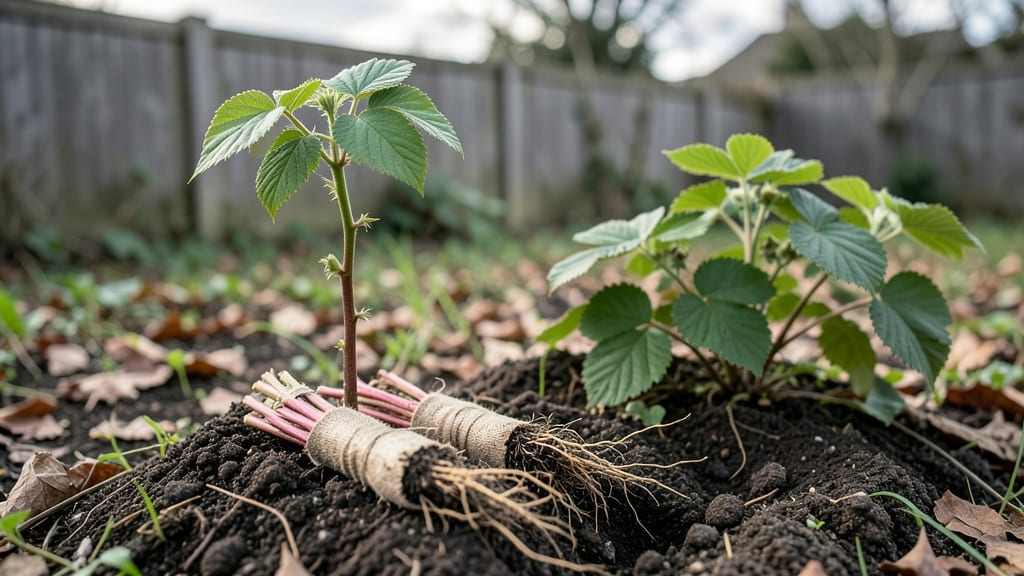
Planting raspberries and blackberries starts with the right spot and soil—because these canes reward patience with years of fruit, not just one season. I learned the hard way that soggy soil or shade turns my berries into sad, spindly sticks instead of the thick, productive canes I wanted.
The secret isn’t fancy tools; it’s picking a sunny, well-drained patch and amending the soil with compost before you even dig.
You’ll need bare-root plants or potted canes, a sturdy trellis (they will flop without support), and a sharp pair of pruners for cleanup. Spacing matters too—give summer-bearing types 4 feet between rows and everbearing types 3-4 feet, or they’ll crowd each other out.
Plant in early spring when the soil is workable but not soggy, and water deeply right after to settle the roots.
Within 2-3 years, you’ll harvest berries that taste like summer in every bite—no pruning marathon required. The key is keeping the soil moist (but not soggy) and removing old canes in late winter.
My first harvest was embarrassingly small, but now I get pounds of berries with almost no effort. The best part? These plants live for decades, so your first planting could feed your family for years.
Works for zones 3-9, though southern gardeners should focus on everbearing varieties to avoid winter dieback. Whether you’re in a small backyard or a rural plot, these canes deliver with minimal fuss. Let’s get those roots in the ground!
📚 In This Guide
- What you need
- Instructions
- Tips and common mistakes
- Wrapping up and next steps
What you need
- ● Berry Canes: 2–5 healthy, dormant raspberry or blackberry canes (floricane or primocane varieties, depending on your climate)
- ● Choose disease-resistant varieties like Boyne (raspberry) or Triple Crown (blackberry)
- ● Soil Amendments: 5–10 lbs of well-rotted compost or aged manure per planting hole
- ● 1–2 cups of balanced fertilizer (10-10-10) or organic options like bone meal or fish emulsion
- ● Tools: Garden trowel or spade
- ● Pruning shears (sterilized with rubbing alcohol)
- ● Measuring tape or ruler (for spacing)
- ● Gloves (to protect from thorns and soil)
- ● Location: Full sun (6–8 hours daily) in well-draining soil
- ● Space: 2–3 feet between canes, 6–8 feet between rows
- ● Mulch (straw or wood chips) to retain moisture and suppress weeds
- ● Drip irrigation system or soaker hose for consistent watering
- ● Row covers (for early-season frost protection)
- ● Trellis or wiring system (to support canes and improve airflow)
- ● Soil pH test kit (ideal range: 5.5–6.5 for berries)
Step-by-step instructions for planting raspberries and blackberries
Here's how to establish a productive berry patch with healthy canes that reward you with minimal upkeep.
Choose the Right Location and Prepare the Soil
Raspberries and blackberries thrive in full sun—select a site that receives at least 6-8 hours of direct sunlight daily. These plants need well-draining soil with a pH between 5.5 and 6.5. Before planting, loosen the soil to a depth of 12 inches using a garden fork or tiller. This helps roots spread easily and prevents waterlogging, which can rot canes.
Incorporate 2-3 inches of compost into the top 6 inches of soil to improve fertility and drainage. If your soil is heavy clay, mix in 1-2 inches of coarse sand to create a looser texture. Avoid planting in low-lying areas where cold air settles, as frost damage can weaken canes. A slight slope helps water drain away from the roots, keeping them healthier.
Plant Bare-Root Canes at the Right Time and Depth
Plant bare-root canes in early spring or late fall, when the soil is workable but not frozen. Soak the roots in lukewarm water for 1-2 hours before planting to rehydrate them. Dig a trench 18-24 inches wide and 12 inches deep, spacing plants 3-4 feet apart for raspberries and 4-5 feet apart for blackberries. This spacing gives canes room to grow without crowding.
Place each cane in the trench so the crown (where roots meet the stem) sits 1-2 inches below soil level. This depth prevents the crown from drying out or heaving in winter. Gently spread the roots downward and backfill the trench with soil, firming it lightly around the base. Water deeply to settle the soil and remove air pockets. Mulch with 2-3 inches of straw or wood chips to retain moisture and suppress weeds.
Water and Fertilize for Strong Establishment
Keep the soil consistently moist but not soggy for the first 6-8 weeks after planting. Water deeply 1-2 times per week, depending on rainfall, to encourage deep root growth. Avoid overhead watering, which can spread disease. Instead, use a soaker hose or drip irrigation to deliver water directly to the soil. You’ll know the roots are establishing well when new shoots emerge from the base of the cane.
Apply a balanced fertilizer (10-10-10) at planting time, following the package rates. In early spring of the following year, switch to a low-nitrogen, high-phosphorus fertilizer (5-10-10) to promote fruiting. Avoid high-nitrogen fertilizers, which encourage leafy growth at the expense of berries. Side-dress with compost or aged manure in late spring to provide slow-release nutrients.
Train Canes and Support the Patch
As canes grow, train them to a trellis, fence, or wire system to keep them upright and improve air circulation. Install T-posts or sturdy stakes every 6 feet along the row and string gauge wire between them at 3-4 feet high. This support prevents canes from flopping over and makes harvesting easier. Raspberries and blackberries produce primocanes (first-year canes) and floricanes (second-year canes)—primocanes bear fruit in summer-bearing varieties, while floricanes fruit in fall-bearing types.
Remove any weak or crossing canes to reduce competition for nutrients. Prune out dead, diseased, or damaged canes at the base in early spring. For summer-bearing varieties, cut back old canes to the ground after harvest to encourage new primocanes. For fall-bearing varieties, prune old canes in late winter or early spring before new growth begins. This selective pruning keeps the patch productive with minimal effort.
Mulch and Monitor for Pests/Diseases
Renew the mulch layer annually in early spring to suppress weeds and retain moisture. Use straw, wood chips, or pine needles, keeping the mulch 2-3 inches thick but 6 inches away from the cane base to prevent rot. Monitor for Japanese beetles, spider mites, and cane borers, which can damage foliage and canes. Handpick beetles in the morning when they’re sluggish, and spray affected areas with neem oil or insecticidal soap as needed.
Watch for cane blight and rust, which appear as yellow spots or orange pustules on leaves. Remove and destroy infected leaves immediately, and apply copper fungicide preventatively in wet seasons. Prune out infected canes and dispose of them in the trash, not the compost. With proper care, your raspberries and blackberries will thrive with minimal pruning and deliver bountiful harvests for years.
Tips & tricks for planting raspberries and blackberries
These practical tips will help you establish a thriving berry patch with healthy canes that produce abundantly with minimal pruning. I've learned these through years of trial and error, so you can skip the guesswork.
Soil Preparation Secret: Before planting, test your soil's pH using a simple test kit from your garden center. If your soil is too acidic (below 5.5), work in 2-3 pounds of lime per 100 square feet and retest in 3-6 months. For alkaline soil (above 6.5), incorporate 2-3 inches of peat moss into the planting area. The right pH is crucial—raspberries and blackberries are fussy about this!
Root Rehydration Tip: When soaking bare-root canes for 1-2 hours before planting, use lukewarm water—not cold water from the tap. Cold water can shock the roots, slowing their establishment. Add a rooting hormone to the water for an extra boost, especially if planting in late fall when roots have less time to establish before winter.
Watering Wisdom: During the critical 6-8 week establishment period, water in the early morning to allow foliage to dry completely by evening. Wet leaves overnight create perfect conditions for fungal diseases like cane blight. I've seen entire patches fail because of this simple oversight—don't let it happen to yours.
Fertilizer Timing: The switch from 10-10-10 balanced fertilizer at planting to 5-10-10 low-nitrogen fertilizer the following spring is crucial. Too much nitrogen early on encourages leafy growth at the expense of fruit production. Apply the 5-10-10 fertilizer when you see the first signs of new growth in spring—usually when canes are about 6 inches tall.
Pro Tips for Planting Raspberries And Blackberries
- These practical tips will help you establish a thriving berry patch with healthy canes that produce abundantly with minimal pruning.
- Soil Preparation Secret: Before planting, test your soil's pH using a simple test kit from your garden center.
- Root Rehydration Tip: When soaking bare-root canes for 1-2 hours before planting, use lukewarm water—not cold water from the tap.
Frequently asked questions
Got questions about growing raspberries and blackberries? You’re not alone! Here are some of the most common queries—plus straightforward answers to help you cultivate thriving canes with confidence.
What’s the best time of year to plant raspberries and blackberries?
Plant bare-root canes in early spring (as soon as the soil is workable) or late fall (4–6 weeks before the first frost). Container-grown plants can go in anytime the ground isn’t frozen. Avoid planting in extreme heat—canes need time to establish roots before summer stress sets in.
Do raspberries and blackberries need cross-pollination to produce fruit?
Nope! Both are self-pollinating, meaning a single plant will produce fruit without neighbors. However, planting multiple varieties nearby can boost yields and improve flavor diversity. Bonus: Bees will thank you for the extra buffet!
Why aren’t my raspberries/blackberries fruiting this year?
Common culprits include:
- Improper pruning: Summer-bearing varieties need last year’s canes removed in winter; fall-bearing types need different timing.
- Poor soil: Test for pH (ideal: 5.5–6.5) and amend with compost or fertilizer if needed.
- Young plants: Raspberries take 1–2 years to fruit; blackberries may need 2–3 years.
- Pests/disease: Check for Japanese beetles, spider mites, or fungal spots (like cane blight).
Start with this pruning guide if you’re unsure!
Can I grow raspberries and blackberries in containers or small spaces?
Both thrive in 5-gallon containers or larger (at least 18" deep) with well-draining soil. Choose dwarf or compact varieties like ‘Heritage’ raspberries or ‘Cheyenne’ blackberries. Ensure containers get 6+ hours of sun and water regularly—container-grown plants dry out faster.
Are there thornless varieties that still produce great fruit?
Yes! Thornless options are perfect for families or tight spaces. Try:
- Raspberries: ‘Heritage’, ‘Boyne’, or ‘Nova’.
- Blackberries: ‘Natchez’, ‘Arapaho’, or ‘Triple Crown’.
Wrapping up and next steps
Growing raspberries and blackberries is a rewarding experience—especially when you focus on the right techniques to minimize pruning while maximizing yields! 🌱 By choosing the perfect variety, preparing your soil, and mastering a few simple pruning strategies, you’ll soon enjoy juicy, homegrown berries with ease.
Whether you’re a beginner or a seasoned gardener, these canes are forgiving and delicious.
Ready to take the next step? Start small—plant a few canes this season, observe their growth, and refine your approach. Before you know it, you’ll be harvesting bountiful berries while keeping maintenance effort light. Happy planting! 🍓✨