
Vegetables
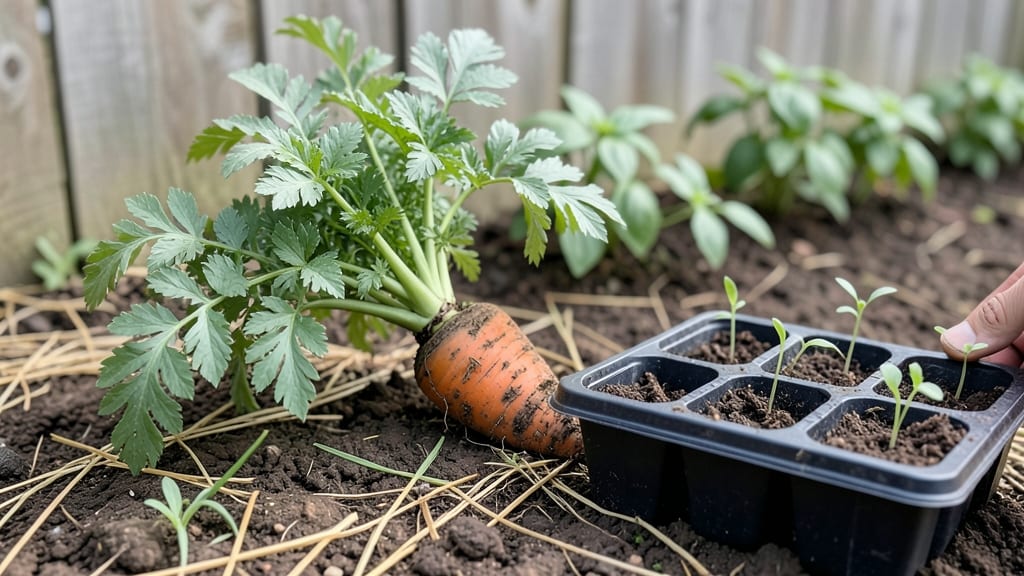
Planting root vegetables like carrots and beets starts with one simple truth: deep, loose soil is the difference between dinner-table disappointments and harvests that make your neighbors ask for seeds. 🌱 I learned this the hard way after pulling up a batch of carrots that looked more like question marks than the straight, crisp sticks I’d imagined.
The fix? A soil mix that’s fine, crumbly, and free of rocks—plus a few tricks to keep roots growing where they’re supposed to.
You’ll need a sunny spot with at least 6 hours of light daily, a fork or tiller to loosen the soil to 12 inches deep, and a fine-textured amendment like compost or sand if your dirt is heavy.
Radishes and beets tolerate slightly shallower planting (1-2 inches deep), while carrots and parsnips need 3-4 inches to keep their shoulders above ground. The secret weapon?
A wooden dowel or chopstick pressed into the soil beside seeds to mark rows—trust me, you’ll thank yourself later when you’re thinning seedlings.
By the time you’re harvesting, you’ll be pulling out roots that are two to three times larger than store-bought, with smooth skins and no forks. The key? Consistent watering—1 inch per week—to keep soil evenly moist, but not soggy. Too much water causes splitting, while drought stunts growth.
Mulch with straw to lock in moisture and keep weeds from competing for nutrients, and you’ll have roots that grow straight as an arrow and store like a dream for months in a cool, dark place.
This method works for spring or fall planting in most climates, though potatoes prefer cooler soil and do best when planted 2-4 weeks before your last frost.
Whether you’re growing in raised beds, containers, or the ground, the same principles apply—just adjust spacing for your container size. Ready to dig in?
📚 In This Guide
- What you need
- Instructions
- Tips and common mistakes
- Wrapping up and next steps
What you need
- ● Root vegetable seeds or seedlings: Carrots, beets, radishes, turnips, parsnips, or potatoes (choose 1–3 varieties for simplicity). Quantity: 1–2 lbs of seeds or 10–20 seedlings, depending on your garden size.
- ● Garden soil: Well-draining, loose soil with a pH of 6.0–7.0 (amend with compost if needed).
- ● Organic compost or fertilizer: 5–10 lbs (e.g., balanced 10-10-10 or composted manure).
- ● Watering can or hose: With a gentle spray nozzle for even moisture.
- ● Gloves and kneeling pad: To protect your hands and knees during planting.
- ○ Row marker or stakes: To mark planting rows (optional but helpful for beginners).
- ● Mulch (straw or shredded leaves): 2–3 inches to retain moisture and suppress weeds.
- ● Plant labels: To track varieties and planting dates.
- ● Drip irrigation system: For consistent watering (great for larger gardens).
- ● Soil tester kit: To monitor pH and nutrient levels.
- ● Row cover or shade cloth: To protect seedlings from pests or harsh sun.
Step-by-step guide for planting root vegetables
Here's how to cultivate showstopping roots by mastering soil prep and spacing.
🌱 Step 1: Prepare the Soil for Maximum Depth
Root vegetables need 12-18 inches of loose, stone-free soil to develop properly. I start by removing any rocks, roots, or debris from the planting area with a garden fork—this prevents gnarled growth and makes harvesting easier. Work in 2-3 inches of compost mixed into the top 6 inches of soil to improve drainage and fertility.
For heavy clay soils, I blend in 1 part sand to 3 parts soil to create a crumbly texture. You'll know the soil is ready when it holds moisture but doesn't stick to your gloved fingers. Test by squeezing a handful—if it crumbles easily, you're good to go.
💧 Step 2: Plant Seeds or Transplants at Proper Depth
For seeds, plant ½ inch deep—deeper planting delays germination. I use a dibble or pencil to create precise holes, then drop 2-3 seeds per spot (thinning later prevents overcrowding). Cover with fine soil and gently firm the surface so seeds stay in place.
For transplants, dig holes twice as wide as the root ball to encourage outward growth. Place the plant so the top of the root is just below soil level—burying too deep can cause rot, while planting too shallow leads to sun-scalded roots. Water immediately after planting to settle the soil around the roots.
☀️ Step 3: Space for Optimal Growth and Harvest
Spacing is critical for root vegetables—crowding leads to stunted growth and disease. I plant carrots, radishes, and beets 1-2 inches apart in rows 12 inches apart, while larger roots like parsnips and turnips get 3-4 inches apart in rows 18 inches apart.
Watch for early signs of competition: if leaves start touching, thin immediately. You'll know it's time when seedlings are 2 inches tall—pull the thinnest ones at the base, leaving the strongest plant in each spot. This ensures roots have room to swell without restriction.
🪴 Step 4: Maintain Consistent Moisture and Weed Control
Root vegetables need 1-1.5 inches of water weekly, delivered consistently to prevent cracking. I use drip irrigation or soaker hoses to keep moisture at soil level, avoiding overhead watering that can spread disease. Let the top 1 inch of soil dry between waterings—this prevents rot while maintaining growth.
Weeds compete aggressively for nutrients and space. I mulch with 2-3 inches of straw or shredded leaves after germination to suppress weeds and retain moisture. You'll see fewer weeds popping up, and the soil stays cooler—ideal for heat-sensitive varieties.
⏰ Step 5: Monitor Growth and Harvest at Peak Maturity
Most root vegetables are ready to harvest when their tops reach 6-12 inches tall, depending on the variety. I check soil moisture first—dry soil means it's time to harvest before roots split. Gently loosen the soil around the edges with a fork before pulling to avoid breaking tender roots.
Harvest on a dry day to prevent soil from sticking. You'll know they're ready when the tops look mature but haven't started to yellow or bolt. Store in a cool, dark place for up to 2 weeks—longer storage requires curing in a warm spot for 24 hours before refrigeration.
Tips & tricks for perfect root vegetable planting
Mastering these soil secrets will transform your garden from mediocre to spectacular—trust me, the depth matters more than you think.
The Soil Depth Secret: Those 12-18 inches of loose soil aren't just a suggestion—they're non-negotiable for roots like carrots and parsnips. I've seen gardeners skip this step and end up with forked carrots or stunted turnips. Use a trowel to test depth before planting; if you hit resistance, keep digging. For clay-heavy soils, mix in that 1:3 sand ratio all the way down to 12 inches—surface-level amendments won't cut it. The goal is a crumbly texture that lets roots grow straight and unobstructed.
Seed Depth Precision: That ½ inch planting depth for seeds might seem shallow, but it's critical for germination timing. I learned this the hard way when my radish seeds took three weeks to sprout instead of the usual seven days. Use a dibble or pencil to make precise holes—your finger won't give you consistent depth. For larger seeds like beets, press them gently into the soil so they stay in place without being buried too deep. The rule of thumb: seeds should be planted at twice their diameter.
Transplant Placement Technique: When setting transplants, dig holes twice as wide as the root ball—this encourages roots to spread outward rather than circling. I make a small mound of soil in the center of each hole, place the transplant on top, then fill around it. This creates an air pocket that prevents rot while keeping the top of the root just below soil level. Water immediately after planting to settle the soil gently around the roots without disturbing them.
Watering Wisdom: The 1-1.5 inches weekly water guideline is your target, but timing matters just as much. Water in the morning so foliage has time to dry before evening—this prevents fungal diseases that thrive in damp conditions. I use a rain gauge to track accumulation; if you get 1 inch from rain, you can skip a watering. For sandy soils, you might need to water every other day, while clay soils can go longer between waterings. Always let the top 1 inch dry between sessions to prevent rot.
Pro Tips for Planting Root Vegetables
- Mastering these soil secrets will transform your garden from mediocre to spectacular—trust me, the depth matters more than you think.
- The Soil Depth Secret: Those 12-18 inches of loose soil aren't just a suggestion—they're non-negotiable for roots like carrots and parsnips.
- Seed Depth Precision: That ½ inch planting depth for seeds might seem shallow, but it's critical for germination timing.
Frequently asked questions
Got questions about growing root vegetables? You’re not alone—these hardy crops can be tricky if you’re new to the game! Below, we tackle the most common concerns to help you dig in with confidence.
When is the best time to plant root vegetables?
Most root veggies thrive in cool weather, so aim for early spring (as soon as soil is workable, ~40–50°F) or late summer (6–8 weeks before first frost). Carrots, beets, and turnips love cooler temps, while radishes grow fast—perfect for early spring or fall. Pro tip: Avoid planting in scorching heat; soil cracks can deform roots!
How long do root vegetables take to grow?
Harvest times vary wildly! Radishes mature in 3–4 weeks, while parsnips take 90–120 days. Here’s a quick cheat sheet:
| Vegetable | Days to Harvest |
|---|---|
| Carrots | 60–80 days |
| Beets | 50–60 days |
| Turnips | 40–60 days |
| Sweet Potatoes | 90–120 days |
Harvest early
for tender roots (like baby carrots) or wait for full maturity for sweeter flavors!
Why are my root vegetables forking or splitting?
Forked or misshapen roots usually mean rocky or compacted soil. Loosen soil before planting and add compost for depth. Overcrowding can also cause stress—space seeds 1–2 inches apart and thin seedlings to 2–4 inches apart. Hot, dry weather can split radishes, so keep soil evenly moist!
Can I grow root vegetables in containers?
Shallow-rooted
veggies like radishes, turnips, and beets thrive in 5–6 inch deep containers. Deeper roots (carrots, parsnips) need 12+ inches of soil. Use well-draining potting mix and keep containers warm—cool roots grow slower. Just avoid containers with roots peeking through the bottom!
What’s a good alternative if my soil is too rocky?
If your soil is clay-heavy or rocky, try raised beds with loose, sandy loam or mix in coarse sand/perlite (20–30%) to improve drainage. Another trick: Grow in "root veggie mixes"—pre-blended soils designed for carrots and beets. For extreme cases, consider container growing (see above) or shorter varieties like Paris Market carrots!
Wrapping up and next steps
Planting root vegetables is a rewarding journey that connects you to the earth and your table! By choosing the right soil, spacing, and timing—plus a little patience—you’ll unlock bigger, healthier harvests that taste fresher than anything store-bought.
Whether you’re a beginner or a seasoned gardener, every root you nurture is a step toward self-sufficiency and delicious meals.
Ready to dig deeper? Start small—try a single bed of carrots or beets this season—and let your confidence (and harvest) grow! 🌱 For next steps, explore companion planting tips or plan your fall crop rotation to keep the roots coming year-round.