
Transplanting
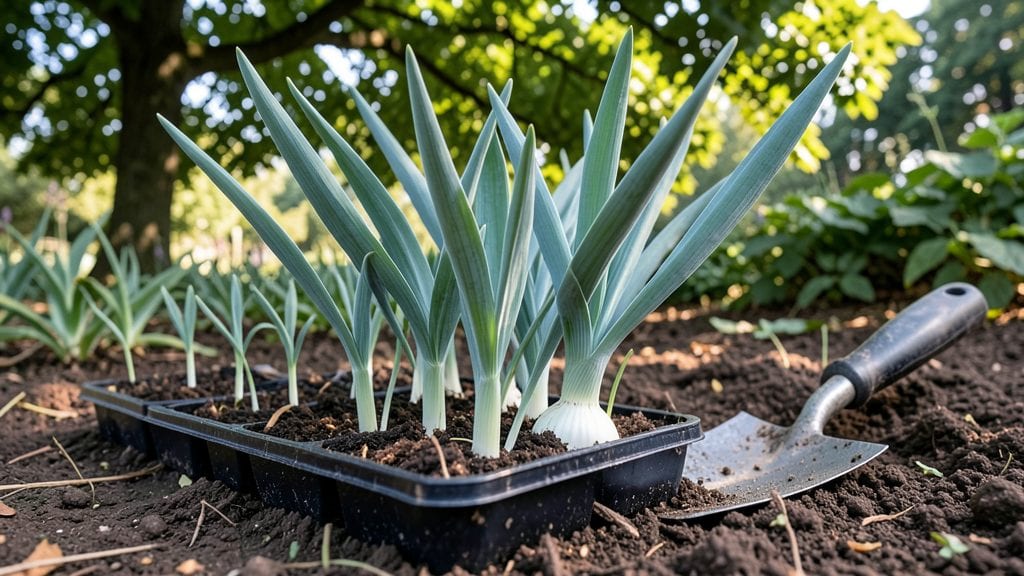
Planting wild leeks transforms your shady woodland edge into a hidden harvest. 🌱 I’ve spent years watching these delicate plants spread naturally under maples and oaks—now I’m sharing how to coax them into your garden with just three straightforward steps.
The key isn’t forcing them to thrive where they don’t belong; it’s mimicking their native conditions so they’ll spread on their own terms.
You’ll need moist, well-draining soil rich in organic matter—think leaf litter and compost mixed into the top 6 inches. Wild leeks hate dry roots and full sun, so focus on partial shade and consistent moisture.
For spacing, give each plant 6 to 12 inches of room; they’ll multiply like dandelions once established. The best part? You can start from seed or dig up divisions from the wild, though divisions give you faster results.
By late summer, you’ll see those classic white flowers shooting up, followed by clusters of bulbs ready to harvest. The flavor—garlicky, sweet, and unmistakable—makes every shady corner of your garden worth the wait. Just don’t dig them all up at once; these plants reward patience with years of natural regrowth.
This method works best in the eastern U.S., where wild leeks are native, but gardeners in other regions can try it in similar moist, shady spots. The secret? Let them grow wild enough to feel at home. Ready to turn your garden into a wild leek haven?
📚 In This Guide
- What you need
- Instructions
- Tips and common mistakes
- Wrapping up and next steps
What you need
- ● Wild leek bulbs or seeds: 10–20 bulbs (or 1–2 seed packets) per 100 sq. ft. (harvesting bulbs from wild populations is best—avoid over-harvesting!)
- ● Garden soil: Well-draining, slightly acidic (pH 6.0–7.0) soil. Amend with compost if your soil is heavy or clay-like.
- ● Transplanting tools: Garden trowel or hand fork
- ○ Garden gloves (optional but recommended for handling wild bulbs)
- ● Watering can or hose with a gentle spray nozzle
- ● Mulch: Straw, wood chips, or shredded leaves (2–3 inches thick) to retain moisture and suppress weeds.
- ● Fertilizer: A balanced, slow-release fertilizer (10-10-10) or organic options like fish emulsion or compost tea.
- ● Row markers or flags: For organizing transplants in larger gardens.
- ● Shade cloth: If planting in hot climates (30–50% shade helps young plants).
- ● Pest deterrents: Copper tape (for slugs/snails) or diatomaceous earth (natural barrier).
- ● Choose a partial-shade to full-shade location (wild leeks thrive under trees or in wooded edges).
- ● Ensure the area has consistent moisture (they dislike drought!).
- ● Check local regulations—some states restrict transplanting wild leeks to protect native populations.
How to plant wild leeks for a thriving forest garden
Here's the straightforward method I've used to establish wild leeks in shaded woodland edges—no fuss, just reliable results.
🌱 Step 1: Gather and Prepare Wild Leek Seeds or Bulbs
Wild leeks spread naturally through bulb division or seed, but I always start with fresh bulbs for faster establishment. Dig up mature bulbs in early spring when foliage is 4-6 inches tall—they'll have plump, firm bulbs ready for planting. Separate clusters gently, ensuring each piece has at least one "eye" or growth point.
If using seed, collect it from mature plants in late summer when pods turn brown and papery. Scatter fresh seed directly in the planting area—they need light to germinate, so don't bury them. Store seed in a cool, dry place until ready to plant in fall. I've found fresh seed germinates best when planted immediately after harvest.
🪴 Step 2: Choose the Right Shady Spot and Soil
Wild leeks thrive in partial to full shade with moist, well-draining soil. Look for areas under deciduous trees where sunlight filters through—think dappled shade rather than deep woodland gloom. Test soil moisture by digging a 6-inch hole; if it stays damp for 24 hours, it's perfect. Amend heavy clay with 2 inches of compost to improve drainage.
I always plant in spring or early fall to avoid summer heat stress. Space bulbs 6-8 inches apart in rows 12 inches apart—this gives them room to multiply naturally. For seed, simply scatter lightly over prepared soil and press in with your hand. Mulch with 2 inches of leaf litter or shredded leaves to retain moisture and suppress weeds.
☀️ Step 3: Plant and Maintain for Long-Term Growth
Set bulbs 2 inches deep with the pointed end up—wild leeks grow upward from their base. Water thoroughly after planting to settle the soil around the bulbs. You'll see first shoots in 2-3 weeks during spring planting, or the following spring if planted in fall. Keep the area consistently moist but never soggy; wild leeks hate waterlogged roots.
Once established, wild leeks spread aggressively through underground rhizomes. Thin seedlings to 8 inches apart in their second year to prevent overcrowding. Harvest a few leaves in early spring for flavorful greens, but leave most to build energy for next year's growth. I've had stands persist for 10+ years with minimal care—just occasional weeding and mulching.
Tips & tricks for perfect wild leek planting
A few simple tricks that'll make your wild leek garden thrive with minimal effort.
Timing is Everything: Planting in spring or early fall is key to success, but here's the thing—spring planting gives you a head start on growth, while fall planting establishes roots before winter. I've found that planting bulbs when soil temperatures are between 40-60°F gives the best results. For seed planting, aim for late summer to early fall when soil is still warm enough for germination.
Soil Prep Secret: That 24-hour moisture test is crucial—it tells you if your soil drains properly. If your soil drains too quickly (sandy), mix in 2 inches of compost to help retain moisture. For heavy clay soils, work in additional organic matter like well-rotted manure or leaf mold to improve drainage. Wild leeks won't tolerate soggy roots, so proper drainage is non-negotiable.
Planting Depth Matters: When you're setting those bulbs 2 inches deep, make sure the pointed end faces upward—this is where the new shoots will emerge. I've seen beginners plant them upside down, which can stunt growth. For seed planting, don't even think about covering them with soil; they need light to germinate, so just press them lightly into the surface.
Mulch Like a Pro: That 2-inch layer of leaf litter or shredded leaves isn't just decorative—it's a game-changer. The mulch helps maintain consistent soil moisture, suppresses weeds, and gradually breaks down to add organic matter. I always top up my mulch in late winter to protect emerging shoots from temperature fluctuations.
Pro Tips for Planting Wild Leeks
- A few simple tricks that'll make your wild leek garden thrive with minimal effort.
- Timing is Everything: Planting in spring or early fall is key to success, but here's the thing—spring planting gives you a head start on growth, while fall planting establishes roots before winter.
- Soil Prep Secret: That 24-hour moisture test is crucial—it tells you if your soil drains properly.
Frequently asked questions
Got questions about planting wild leeks?
Here are answers to the most common ones—so you can dive in with confidence!
When is the best time to transplant wild leeks?
The ideal times are early spring (March–April) or early fall (September–October), when soil is workable but not frozen. Avoid transplanting during extreme heat or drought—roots need moisture to establish. If you miss these windows, late summer (August) can work in cooler climates.
How do I tell if a wild leek is healthy enough to transplant?
Look for plants with 2–3 mature leaves, a white, bulb-like base, and no signs of rot or pests. Avoid leeks with yellowing leaves or mushy bulbs—they won’t survive. Dig up small clumps (3–5 plants) for easier transplanting and better success rates.
Can I grow wild leeks from seed instead of transplanting?
Wild leeks (Allium tricoccum) are slow to germinate from seed (often 2+ years) and rarely produce viable seeds in cultivation. Transplanting wild-harvested plants is the fastest, most reliable method. If you’re set on seeds, source them from a reputable supplier and be patient!
Why are my transplanted wild leeks dying?
Common culprits include overwatering (leads to rot), poor soil drainage, or too much sun (they prefer shade). Ensure soil stays moist but not soggy, mulch to retain humidity, and plant in partial shade. If leaves wilt, check for deer or slug damage—they love wild leeks!
Where’s the best spot to plant wild leeks in my yard?
Choose a moist, shaded area (under trees or shrubs) with rich, well-draining soil. Avoid low spots where water pools. If your yard is dry, amend soil with compost or leaf mold and water deeply 2–3 times weekly until established. They thrive in USDA Zones 3–8.
Wrapping up and next steps
Planting wild leeks—whether in spring or fall—is a rewarding way to grow a hardy, flavorful perennial that thrives with minimal fuss. By following these three simple steps, you’ll enjoy a bountiful harvest for years to come, all while supporting local ecosystems. 🌱
Ready to take the next step? Start small—try a few plants in a sunny, moist spot—and watch your wild leek patch grow into a kitchen staple. Happy planting! 🌟