
Companion Plants
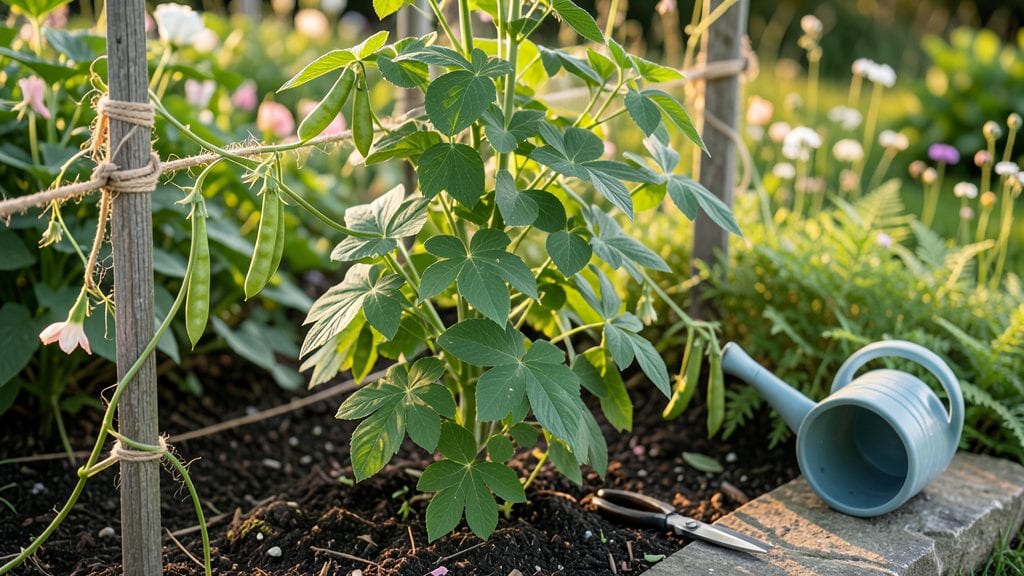
Plants can speak through chemical signals released by their roots, warning neighboring plants of pests or environmental stress via volatile organic compounds (VOCs) and root exudates, enabling a form of underground communication called 'plant-to-plant signaling.'
This underground "conversation" isn't just poetic—it's a survival strategy. When one plant detects damage from insects or drought, it releases compounds like methyl jasmonate, which act like a distress flare for nearby plants. 🌱 They respond by producing defensive chemicals like tannins or increasing leaf thickness.
For example, tobacco plants exposed to caterpillars trigger neighboring plants to prepare their own defenses before the pests even arrive. This system explains why some plant pairings thrive together while others struggle, and it's why companion planting works so well in organic gardens.
What's fascinating is that this isn't just about pests—plants also communicate about environmental threats. Drought-stressed plants release root exudates that signal others to conserve water or grow deeper roots. Even the soil microbiome plays a role, with beneficial fungi acting as translators between plants.
Understanding this hidden language lets gardeners create more resilient ecosystems by strategically placing plants that reinforce each other's natural defenses.
💡 In This Article
- How Root Exudates Enable Plant Communication
- Practical Gardening: Boosting Plant Defense Signals
How root exudates enable plant communication
Here's what's actually happening underground: plants release specialized chemical compounds through their roots called root exudates. These aren't random leaks—they're carefully crafted messages containing sugars, amino acids, and organic acids that act as signaling molecules.
For instance, when a plant detects herbivore damage, it secretes methyl jasmonate (MeJA) at concentrations as low as 10^-9 moles per gram of root, yet this tiny amount is enough to trigger responses in neighboring plants.
The process begins when damaged cells release linolenic acid, which gets converted into jasmonic acid and then MeJA through a chain reaction in the plant's octadecanoid pathway. 🔥
The communication system has two main channels: volatile organic compounds (VOCs) that travel through the air and root exudates that move through the soil. Take the classic example of tobacco plants: when caterpillars chew on one plant, it releases MeJA that travels through the soil via root exudates.
Within hours, neighboring tobacco plants start producing proteinase inhibitors—natural pesticides that make their leaves less appealing to insects. This isn't just theoretical; studies show that plants pre-treated with MeJA can reduce herbivore damage by up to 40% compared to untreated controls.
The signals even work across plant species—tomatoes exposed to these signals produce more phenolic compounds that deter pests.
What makes this system so sophisticated is the receptor mechanism. Plants have specialized protein receptors on their root surfaces that bind to these chemical signals. For drought stress, for example, plants release abscisic acid (ABA) through root exudates, which neighboring plants detect through their PYR/PYL/RCAR receptors.
This binding triggers a cascade that leads to stomatal closure (reducing water loss) and increased root growth. The response isn't instantaneous—it typically takes 6-12 hours for the full defensive program to activate—but it's remarkably precise.
Some plants can even distinguish between different types of stress signals, responding more strongly to herbivore damage than to mechanical injury. 💫
Temperature plays a crucial role in this process. Root exudation rates increase by 20-30% when soil temperatures rise from 15°C (59°F) to 25°C (77°F), which explains why communication is more active in warmer growing seasons. However, excessive heat above 35°C (95°F) can damage root membranes, reducing exudation.
The soil microbiome also acts as a translator—beneficial fungi like mycorrhizae can amplify these signals by up to 50%, creating a network that extends beyond individual root zones. This fungal-mediated communication explains why some plant pairs thrive together even when they're not closely related.
One of the most compelling examples comes from forest ecosystems where quaking aspen (Populus tremuloides) trees use this system. When one tree is attacked by beetles, it releases chemical signals that trigger neighboring aspens to produce resin-like compounds that deter further attacks.
What's remarkable is that these signals can travel through underground root grafts connecting entire clones of genetically identical trees, creating what scientists call a "superorganism" with collective defense mechanisms.
The same principle applies in gardens—when you see basil plants growing near tomatoes, the basil's root exudates help repel pests like whiteflies, while the tomatoes return the favor by improving soil structure. ✨
The science behind this goes even deeper when you consider that these chemical signals can be specific to the threat type. For instance, plants under water stress release different compounds than those under attack by aphids.
Researchers have identified over 1,000 different volatile organic compounds that plants use in communication, each serving distinct purposes. Some act as general alarms, while others are tailored to specific predators.
This level of chemical complexity rivals human language in its sophistication, proving that plants have evolved an incredibly advanced form of non-verbal communication over millions of years. 🌱
What most people don't realize is that we can actually enhance this natural communication in our gardens. By choosing compatible plant pairings and maintaining healthy soil microbiomes, we create environments where these underground conversations thrive.
The next time you see two plants growing side by side with seemingly perfect harmony, there's a good chance they're having a silent but powerful conversation right beneath your feet. 💛