
Plants
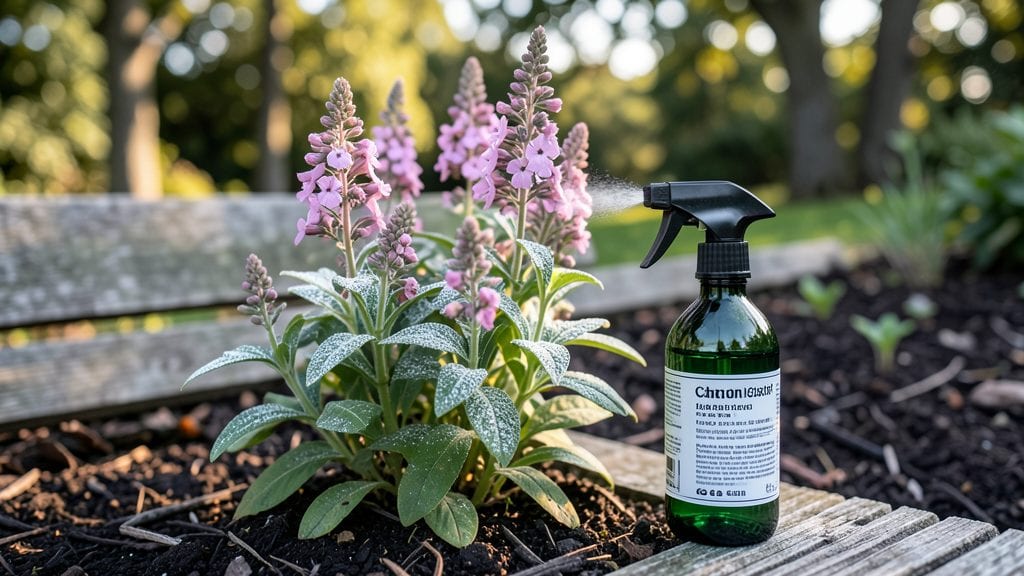
That white powder on your phlox leaves isn’t dust—it’s powdery mildew, and it’s stealing your plants’ energy right before peak bloom time. 🌿 I’ve battled this stubborn fungus for years, and what I learned changed how I care for my phlox forever.
The good news? You can stop it without harsh chemicals, and the fix only takes three targeted steps.
This fungus thrives when phlox gets too crowded, stays wet for too long, or doesn’t get enough airflow. Most gardeners reach for sprays first, but that often masks the real issue—your plants’ environment.
The solution starts with pruning to open up those dense clusters, then a simple homemade spray that works faster than store-bought fungicides. Within a week, you’ll see fresh green leaves pushing through that white film.
By the time summer hits, your phlox will be putting on a show again—tall stems packed with those vibrant blooms you planted for. The key is catching it early, but even heavily infected plants can bounce back with the right care.
You’ll be snipping off the worst stems, mixing up a spray in minutes, and watching your garden recover before your neighbors even notice the problem.
This works for garden phlox, meadow phlox, and even those wildflower mixes where mildew sneaks in. The same steps keep your plants healthy for years, so you never have to choose between blooms and chemicals again. Let’s get those phlox thriving once more.
The Hidden Triggers Behind Fungal Outbreaks
Powdery mildew isn’t just a random nuisance—it’s a highly predictable response to specific conditions that create the perfect storm for fungal growth. Understanding these triggers is key to stopping the spread before it smothers your phlox. Let’s break down the science behind why this pesky pathogen takes hold.
Powdery mildew thrives in humid, stagnant air with temperatures between 60–80°F (15–27°C)—ideal conditions for fungal spores to germinate and spread. Here’s why:
- Relative humidity above 70%: Spores need moisture to activate, and high humidity keeps leaves damp without visible water droplets. Think of it like a sauna for fungi.
- Poor airflow: Dense phlox foliage traps humid air, creating microclimates where spores multiply uncontrollably. Pro tip: Mildew rarely attacks in breezy gardens!
- Nighttime dew: If humidity stays high overnight, dew lingers on leaves, giving spores a 24-hour growth advantage.
Actionable fix: Space plants for airflow, water early in the day, and avoid overhead irrigation.
Phlox plants grown too closely together or in low-light conditions are prime targets because:
- Thick foliage blocks sunlight, slowing evaporation and keeping leaves damp longer. Sunlight naturally inhibits mildew by drying surfaces.
- Shade reduces plant resilience: Weaker phlox with sparse growth can’t defend itself as effectively against fungal attacks.
- Overhead branches trap spores: If nearby trees or shrubs harbor mildew, spores hitchhike on airflow to your phlox.
Actionable fix: Prune for sunlight access, thin out overcrowded beds, and plant phlox where they get at least 6 hours of direct sun.
While powdery mildew isn’t a water-borne disease, excess moisture creates the perfect breeding ground for spores. Here’s how:
- Soggy soil = prolonged leaf wetness: Even if you water at the base, poor drainage can cause roots to push water upward, wetting foliage.
- Frequent light watering: Light, daily watering keeps humidity high near the soil surface, encouraging spore germination.
- Container-grown phlox: Pots without drainage holes act like spore incubators, trapping moisture.
Actionable fix: Water deeply but infrequently (1–2 times per week), improve soil drainage with compost, and use pots with drainage holes.
Healthy phlox resist mildew better because their natural defenses (like waxy leaf coatings) stay intact. Stress factors that weaken plants include:
- Nitrogen deficiency: Pale, yellowing leaves signal weak growth, making plants more susceptible to fungal attacks.
- Over-fertilization (especially high phosphorus): Too many nutrients can promote lush but vulnerable foliage.
- Root damage or compacted soil: Poor root health limits the plant’s ability to absorb water and nutrients efficiently.
- Sudden environmental changes: Moving phlox from shade to full sun (or vice versa) stresses them, lowering defenses.
Actionable fix: Feed phlox with a balanced fertilizer (10-10-10)** in spring, mulch to protect roots, and avoid abrupt garden moves.
💡 Key Takeaway: Powdery mildew doesn’t just appear—it’s invited by the right mix of humidity, shade, moisture, and stress. By addressing these triggers, you’re not just treating symptoms; you’re cutting off the fungus’s lifeline.
Fixing Fungal Foes Naturally
Powdery mildew on your phlox doesn’t have to mean the end of those vibrant blooms—with the right approach, you can turn the tide and restore your plants to full, mildew-free glory.
Below, we map the most common causes of this fungal issue to practical, fungicide-free fixes, plus prevention tips to keep your phlox thriving long-term.
Powdery mildew loves stagnant air, so if your phlox is packed too tightly or shaded by overgrown neighbors, spores spread like wildfire. Fix it fast with these steps:
- 🔪 Thin Out the Crowd
- Snip away 1/3 of the foliage to improve airflow. Focus on the center of the plant, where humidity lingers.
- Remove dead or diseased leaves immediately—don’t compost them! Toss them in the trash (not your yard waste bin) to prevent reinfection.
- 🌿 Stake & Support
- If your phlox flops over, use small stakes or cages to keep stems upright. Upright plants dry faster and resist mildew better.
- 🌞 Optimize Sunlight
- Morning sun is your best friend—it dries dew quickly. If your phlox is in deep shade, consider moving it to a sunnier spot (but avoid harsh afternoon sun in hot climates).
💡 Pro Tip: Space phlox 18–24 inches apart when planting to prevent future crowding. If you’re short on space, opt for dwarf varieties like ‘David’ or ‘Lipstick’.
Too much moisture—whether from overwatering, poor drainage, or evening watering—creates the perfect mildew buffet. Flip the script with these adjustments:
- ⏰ Water at the Right Time
- Water in the early morning (before 10 AM) so foliage has 4–6 hours of sunlight to dry completely.
- Avoid overhead watering—use a soaker hose or drip irrigation to deliver water at the soil level.
- 🏗️ Improve Drainage
- If your phlox sits in soggy soil, amend the bed with compost or perlite to boost drainage.
- Raise the plant slightly by adding a 1-inch layer of gravel beneath the soil if needed.
- 🌧️ Mulch the Right Way
- Use 2–3 inches of organic mulch (like straw or shredded bark) to keep soil cool and reduce splashing.
- Avoid thick mulch piles against stems—this traps moisture.
🌡️ Pro Tip: If your area gets high humidity, water less frequently but deeply to encourage strong root growth, which helps plants handle moisture stress.
If mildew has already taken hold, aggressive but gentle action is key. Skip the harsh chemicals and try these effective, plant-safe remedies:
- 🧼 Homemade Spray Recipes (Use Weekly Until Clear) - Baking Soda Spray (Best for mild cases): Mix 1 tsp baking soda + 1 tsp horticultural oil + 1 tsp soap (like Castile) + 1 gallon water.
Spray undersides of leaves (where spores hide) in the early morning. - Milk Spray (Rich in natural fungicides): Use 1 part milk to 9 parts water (whole milk works best).
Spray every 3–4 days for 2 weeks. - Neem Oil Solution (Stops spores in their tracks): Mix 1 tbsp neem oil + 1 tsp soap + 1 quart water. Shake well and spray evenly on all surfaces. Reapply every 7–10 days.
- 🌿 Prune & Destroy Infected Parts
- Cut off severely infected stems (down to healthy green tissue) with sterilized pruners (wipe with rubbing alcohol between cuts).
- Don’t leave prunings in the garden—bag and trash them to prevent reinfection.
- 💪 Strengthen Your Phlox
- Feed with compost tea or fish emulsion (diluted) to boost natural defenses.
- Reduce nitrogen-heavy fertilizers—too much soft, lush growth = more mildew targets.
✨ Pro Tip: For badly infected plants, isolate them 6 feet away from healthy phlox until they recover to prevent spread.
Once your phlox is mildew-free, lock in those gains with these long-term strategies:
- 🌿 Choose Resistant Varieties: Opt for dwarf or compact phlox (like ‘Nancy Flynn’ or ‘Jeana’) or mildew-resistant hybrids labeled as such. - 🍂 Fall Cleanup: After blooming season, remove all spent flowers and debris—this breaks the mildew cycle. - 🌞 Winter Sunlight: If your phlox gets winter sun, it dries out faster in spring, reducing early-season mildew risks. - 🐝 Encourage Beneficial Insects: Ladybugs and lacewings feed on mildew spores.
Plant marigolds or dill nearby to attract them.
Final Thought: Powdery mildew may be stubborn, but with consistent care and these targeted fixes, your phlox will bounce back—stronger and more beautiful than ever. 🌸💪
Frequently asked questions
What does powdery mildew look like on phlox leaves?
Powdery mildew appears as a white, talcum-powder-like coating on the tops and undersides of phlox leaves. In early stages, it looks like light dust, but it thickens into fuzzy patches as the fungus spreads. Check stems too—mildew can appear as grayish growth there as well.
Can I still use my phlox flowers if they have mildew?
Yes, but only if you cut blooms before they open fully—this prevents spores from spreading to your home. Remove any infected leaves or stems first. For severe cases, avoid cutting flowers until the plant is completely mildew-free to protect other garden areas.
How often should I spray homemade remedies like baking soda or neem oil?
For mild cases, spray every 5–7 days until you see new growth. For severe infections, apply weekly for 3–4 weeks or until symptoms disappear. Always spray in the early morning so leaves dry completely before evening dew forms.
Will pruning help if my phlox already has powdery mildew?
Pruning severely infected stems (cutting back to healthy green tissue) removes the fungus’s food source and improves airflow. Remove only the worst stems first—don’t over-prune, or you’ll stress the plant further. Sterilize your pruners with rubbing alcohol between cuts.
Are there phlox varieties that naturally resist powdery mildew?
Yes! Look for dwarf or compact varieties like ‘Nancy Flynn’ or ‘Jeana’, which have better airflow. Some hybrids (like ‘David’) are bred for mildew resistance. If you love tall phlox, choose single-bloom varieties—they dry faster than double blooms and are less prone to fungal issues.