
Pruning
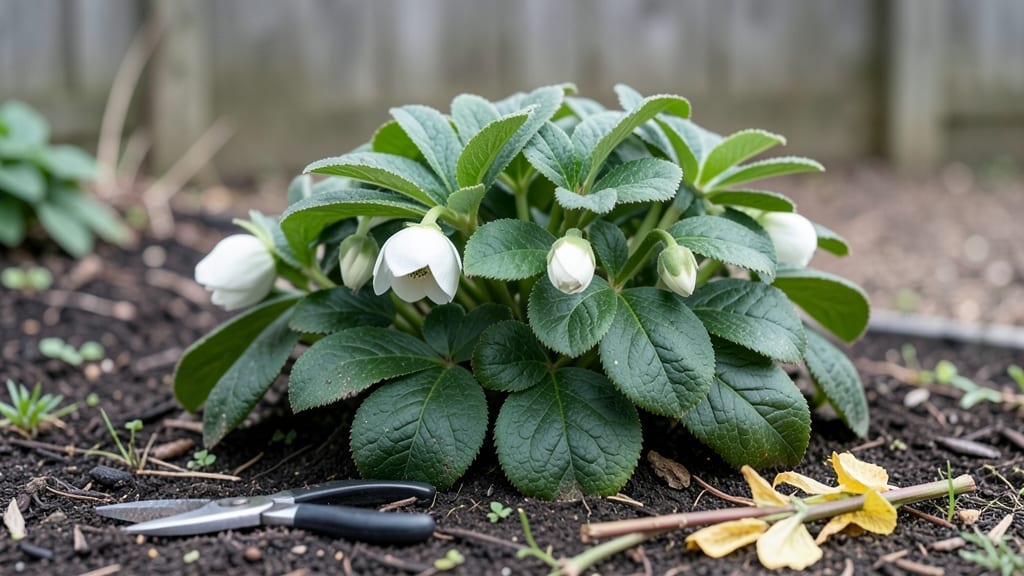
Pruning hellebore plants transforms them from scraggly shadows into showstopping winter bloomers—just two strategic cuts a year make all the difference. ✨ I’ve watched my hellebores go from sad, leggy clumps to lush, flower-covered bushes simply by timing those snips right.
The key isn’t aggressive pruning but knowing exactly when to step in: once after blooms fade and once in late winter before new growth starts.
You’ll only need basic tools: sharp pruners for clean cuts and maybe a pair of gloves if your hellebores are thorny. The process takes about 10 minutes per plant, and the payoff is immediate—more flowers, healthier foliage, and plants that look intentional instead of neglected.
Even my black thumb can’t mess this up once you know the two magic times.
After pruning, your hellebores will reward you with bold, upright stems and a fresh flush of blooms by late winter. The old leaves will stay put until spring, protecting new growth like a cozy blanket. Just avoid cutting back too early—those leaves are working hard until they’re ready to go.
This method works for all hellebore types, from classic Helleborus niger to showy Helleborus orientalis varieties. Whether you’re tidying up after last year’s blooms or prepping for next season, these two trims keep your plants thriving with minimal effort. Let’s get those pruners ready!
📚 In This Guide
- What you need
- Instructions
- Tips and common mistakes
- Wrapping up and next steps
What you need
- ● Sharp, clean pruners or shears – Choose bypass pruners (not anvil-type) to avoid crushing stems. Sterilize with rubbing alcohol or a 10% bleach solution before and after use.
- ● Gloves – Opt for gardening gloves (nitrile or leather) to protect against thorns and dirt.
- ● Disinfectant spray or solution – A 10% bleach-water mix (1 part bleach to 9 parts water) to clean tools and prevent disease spread.
- ● Trash bag or compost bin – For disposing of dead foliage and spent blooms.
- ○ Pruning saw (optional but helpful) – If dealing with thick, woody stems, a small hand saw (3–5 inches) can make the job easier.
- ● Hand lens or magnifying glass – Helps spot hidden pests or diseased areas.
- ● Garden kneeler or stool – For comfort when working close to the ground.
- ● Mulch (e.g., shredded bark or compost) – Refresh the soil after pruning to retain moisture and nutrients.
- ● Plant labels or markers – If you’re pruning multiple hellebore varieties, label them to track growth patterns.
Step-by-step guide to pruning hellebore plants for year-round beauty
Here's the simple system I use to keep hellebores blooming like clockwork—just two easy trims a year.
✂️ Step 1: First Trim After Spring Blooms
Wait until late spring, after all flowers have faded but before new foliage fully matures. This is your first chance to shape the plant and encourage next year's blooms. I like to trim when the old flowers turn brown but haven't yet formed seed pods—usually 4-6 weeks after blooming.
Use clean, sharp pruners to cut back the flower stems to the base. Don't worry about removing all foliage—hellebores are tough and will regrow quickly. This step prevents seed formation, which drains the plant's energy. You'll see fresh, healthy leaves emerging within 2-3 weeks.
✂️ Step 2: Light Cleanup in Early Fall
In late summer or early fall, do a quick once-over to remove any dead or damaged leaves. This is more about tidying than pruning—just give the plant a little refresh before winter. I look for leaves that are yellowed, spotted, or completely browned out.
Use your fingers or small pruners to gently pull off or trim away these leaves. Avoid cutting into healthy foliage. This step helps prevent pests and diseases from overwintering in the plant. You'll notice the remaining leaves look greener and more vibrant after this cleanup.
⏰ Step 3: Winter Inspection and Adjustments
During winter dormancy, do a final check for any remaining dead growth. This is the perfect time to see what needs removing before spring growth begins. I usually do this in late winter, just before new shoots appear.
Remove any remaining dead leaves or stems by cutting them at the base. Don't worry about being too aggressive—hellebores are forgiving. This final cleanup helps the plant focus its energy on producing strong new growth in spring. You'll see the first signs of new growth within 4-6 weeks.
🌱 Step 4: Post-Bloom Maintenance for Next Year
After the hellebores bloom again in late winter or early spring, do one final check. Remove any remaining spent blooms and any leaves that look particularly ragged. This keeps the plant looking tidy and encourages the next round of flowers.
I like to do this trim when the new flower buds are just starting to show color. This ensures the plant puts its energy into developing those buds rather than maintaining old growth. You'll see new flower stalks emerging within 6-8 weeks, ready for the next blooming season.
Tips & tricks for perfect hellebore pruning
These simple tricks will help you keep your hellebores thriving with minimal effort and maximum blooms.
Timing is Everything: The 4-6 week window after spring blooms is your golden opportunity to shape the plant. I always mark my calendar when the first hellebores bloom so I can time the trim perfectly. Waiting too long lets seed pods form, which saps energy from next year's flowers. Look for flowers that have turned completely brown but haven't yet developed those little seed heads.
Tool Selection Matters: Don't use dull pruners—they crush stems and create jagged cuts that invite disease. I keep a pair of clean, sharp bypass pruners dedicated just to hellebores. For the light fall cleanup, you can actually use your fingers to gently pull off damaged leaves, which is gentler on the plant than cutting.
Visual Cues for Winter Check: During winter dormancy, look for leaves that have turned completely brown or have brown spots. These are your targets for removal. Healthy leaves will still have some green color even in winter. I run my fingers along the stems—if it feels mushy or hollow, it's time to trim. This final cleanup helps the plant focus its energy on spring growth.
Post-Bloom Strategy: When you see those new flower buds starting to show color in late winter, that's your cue for the final trim. Removing just the spent blooms and any ragged leaves keeps the plant's energy focused on developing those new flowers. You'll notice the buds plump up noticeably within a few weeks after this trim.
Pro Tips for Pruning Hellebore Plants
- These simple tricks will help you keep your hellebores thriving with minimal effort and maximum blooms.
- Timing is Everything: The 4-6 week window after spring blooms is your golden opportunity to shape the plant.
- Tool Selection Matters: Don't use dull pruners—they crush stems and create jagged cuts that invite disease.
Frequently asked questions
Got questions about keeping your hellebores healthy and blooming? Here are some of the most common ones—plus straightforward answers to help you prune like a pro!
When is the best time to prune hellebores?
Prune hellebores twice a year: late winter (before new growth starts) to remove dead foliage and after flowering (late spring) to tidy up spent blooms. Avoid pruning in fall or during active growth—this can stress the plant. Timing is key for minimal effort and maximum blooms!
Do I need to sterilize my pruners?
Sterilizing your pruners with rubbing alcohol or a 10% bleach solution prevents spreading diseases like powdery mildew or fungal infections. Hellebores are tough, but why risk it? A quick wipe-down before and after pruning keeps your plants—and your garden—happy and healthy.
What if my hellebore isn’t blooming?
If your hellebore skips blooms, it might be overcrowded or underfed. Thin out dense foliage in late winter to improve airflow, and feed with a balanced fertilizer (like 10-10-10) in early spring. Pro tip: Older plants (5+ years) may need a light renewal prune to encourage new growth!
Can I prune hellebores in fall?
Nope! Fall pruning is a big no-no—it removes protective foliage that shields the plant from winter cold and pests. Wait until late winter (when temps are above freezing) to avoid shocking the plant. Think of it like tucking them in for winter, then giving them a fresh start in spring!
What if I accidentally cut too much?
Don’t panic! Hellebores are hardy and resilient. If you trim too aggressively, the plant will recover—just avoid pruning more than 1/3 of the foliage at once. Focus on selective trimming next time, and your hellebore will bounce back with even more vigor. Mother Nature’s got your back!
Wrapping up and next steps
Pruning hellebore plants is your secret weapon for vibrant, long-lasting blooms with minimal effort! 🌸 By mastering just two simple trims—early spring and late winter—you’ll keep your garden thriving while avoiding common pitfalls.
Remember, less is more with hellebores; focus on removing spent foliage and overcrowded stems to encourage fresh growth.
Now that you’re armed with the know-how, grab those shears and give your hellebores the TLC they deserve! For extra inspiration, explore creative ways to style your pruned stems or plan a seasonal garden refresh—your garden will thank you with stunning, year-round color. Happy pruning! ✂️🌿